Can You Just Paint Over the Area Where the Sign Was?
Sometimes, but it's not always that simple. Let's say a sign has been on a building for ten years. The paint surrounding it has been exposed to a decade of sunlight and weather, while the area underneath has been protected. Even if you know the original paint color, matching the surrounding finish is extremely difficult. And that's before accounting for differences in sheen, surface texture, and the age of the existing coating.
Spot Painting May Be Enough
If the existing finish is relatively new and the affected area is small, a localized repair and repaint may provide an acceptable result.
Repainting a Larger Section May Look Better
For older or heavily weathered finishes, painting an entire wall section or architectural feature may be necessary to create a more consistent appearance.
A Full Exterior Repaint May Make Sense
If the building is already due for maintenance or the sign removal is part of a larger renovation, it may be worth considering a broader exterior painting project.
Does the Building Material Affect the Repair Process?
Absolutely. A sign mounted to brick requires a different approach than one attached to stucco, metal panels, or painted siding. So we’ll say something about each of them.
Brick and Masonry
Mounting holes may need to be repaired using compatible masonry materials. Cleaning and repainting also require consideration of the existing surface and coating system, especially when moisture movement is involved.
Stucco and EIFS
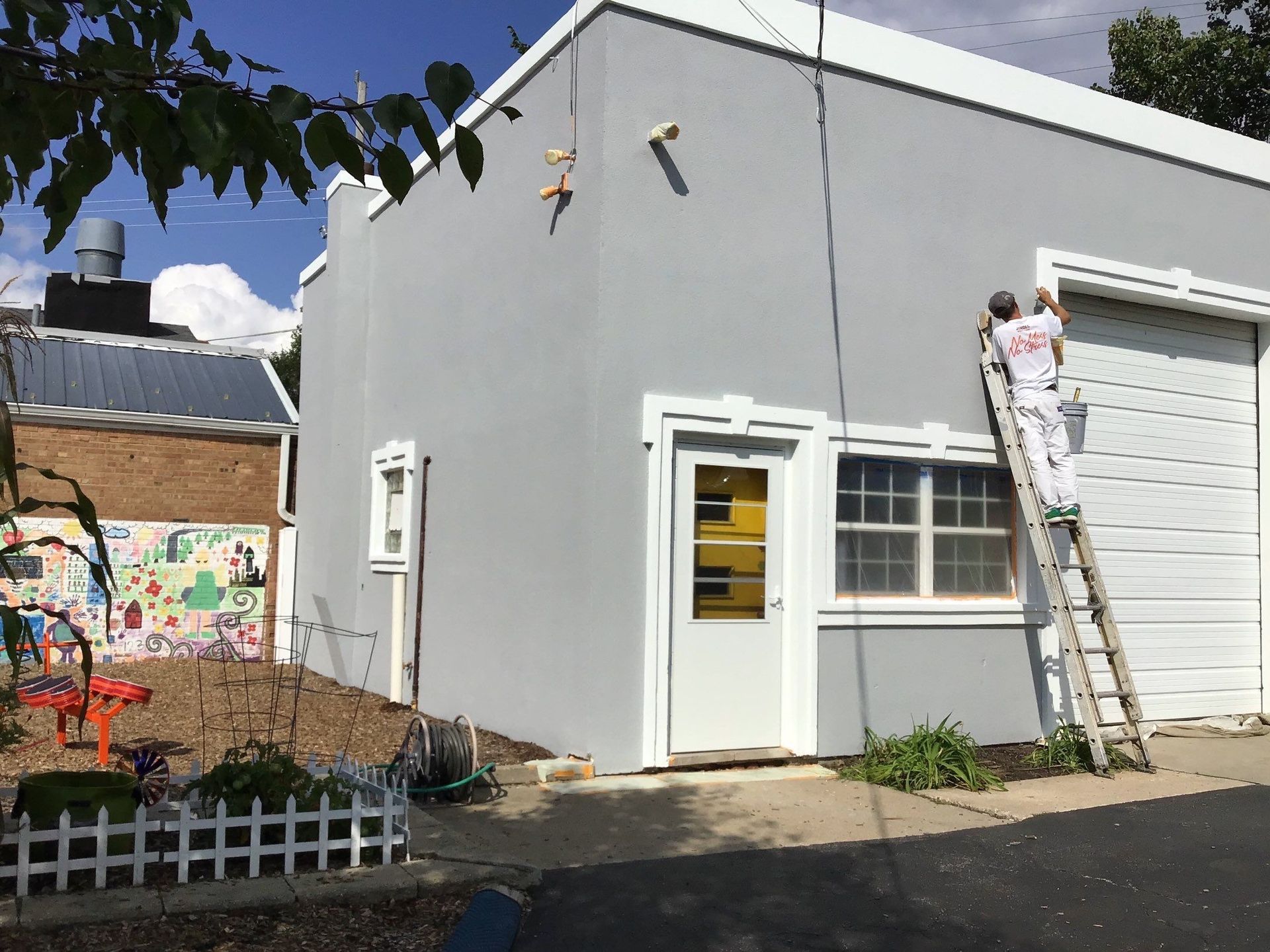
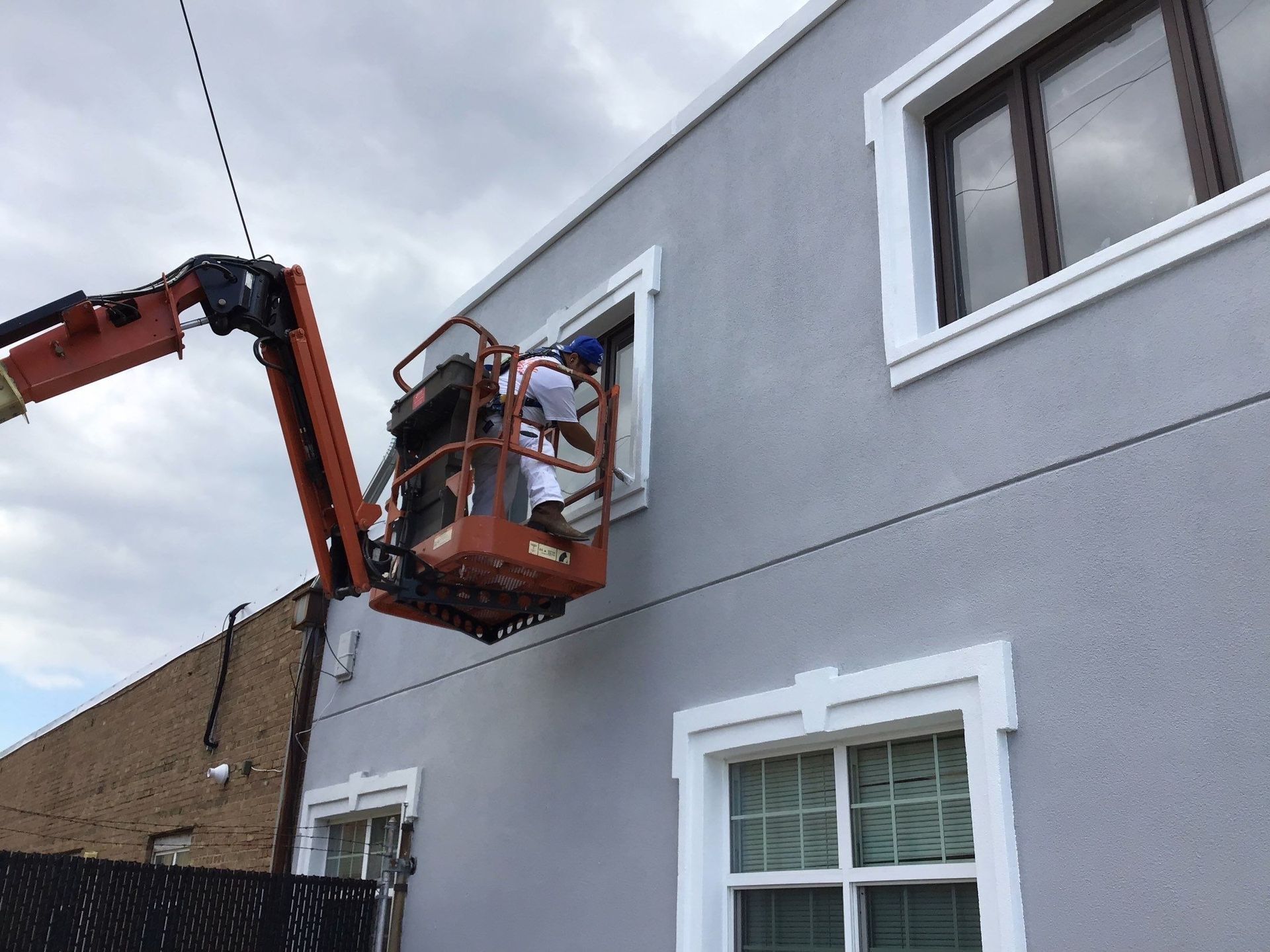
Removing anchors in stucco often damages the finish or underlying system. Sometimes that means dealing with holes 3 times the size of the original fastener. Repairs may need to address both the surface texture and the integrity of the wall assembly before repainting.
Metal Panels and Siding
Fastener holes, corrosion, damaged coatings, and differences in sheen may require specialized preparation and compatible primers. For example, even a small amount of rust needs to be removed and primed so as not to affect the integrity of the surrounding paint.
A professional assessment helps determine which repairs are appropriate and whether additional specialists are needed.
When Should You Schedule Repairs and Repainting?
Ideally, before the sign is removed. Whether you're rebranding a business, preparing a vacant commercial space for a new tenant, or updating a shopping center, coordinating the sign company and painting contractor can help avoid unnecessary delays. It's important when the work involves occupied commercial properties too. You may need to coordinate access, parking, pedestrian traffic, equipment, and business hours.
And in Rhode Island, exterior weather conditions can affect scheduling, especially as temperatures drop later in the year. Planning ahead also gives you time to evaluate whether the exposed area can be repaired and touched up or whether a larger repaint will be necessary.
The Takeaway?
Removing a commercial sign can leave behind more than an empty space on the wall. Holes, discoloration, damaged surfaces, and mismatched paint are all common, and the right repair approach depends on the building material and condition.
The best approach is to coordinate the sign removal and restoration work in advance, clarify who's responsible for what, and make sure the finished surface is properly repaired and protected.
ELCO Painting
At ELCO Painting, we help Rhode Island businesses and property managers keep their buildings looking professional and well-maintained. From surface preparation and repairs to commercial exterior painting, our team can help you plan the next steps after sign removal.
Contact us to discuss your project. We're happy to help!
Frequently Asked Questions
Q: Does a sign company repair the building after removing a sign?
A: Sometimes. Some sign companies include basic patching or repairs, but complete surface restoration and repainting may require a separate contractor. Check the scope of the sign-removal agreement.
Q: Can a painter fill the holes left by commercial sign mounting hardware?
A: Often, yes. Minor holes and surface damage may be within a commercial painter's scope. More extensive masonry, siding, or structural repairs may require another specialist.
Q: Can you match the paint color after a sign is removed?
A: Usually, a close match is possible, but an exact visual match isn't guaranteed. Sun exposure, weathering, sheen, and surface texture can all affect the finished appearance.
Q: Does an entire building need to be repainted after sign removal?
A: Not necessarily. Depending on the existing finish, localized repairs or repainting a larger wall section may be sufficient.
Q: Who pays for repairs after a commercial tenant removes their sign?
A: It depends on the lease and the circumstances of the removal. Some commercial leases require tenants to remove signage and restore the affected surfaces, while others assign responsibility differently. Review the lease and any applicable agreements.