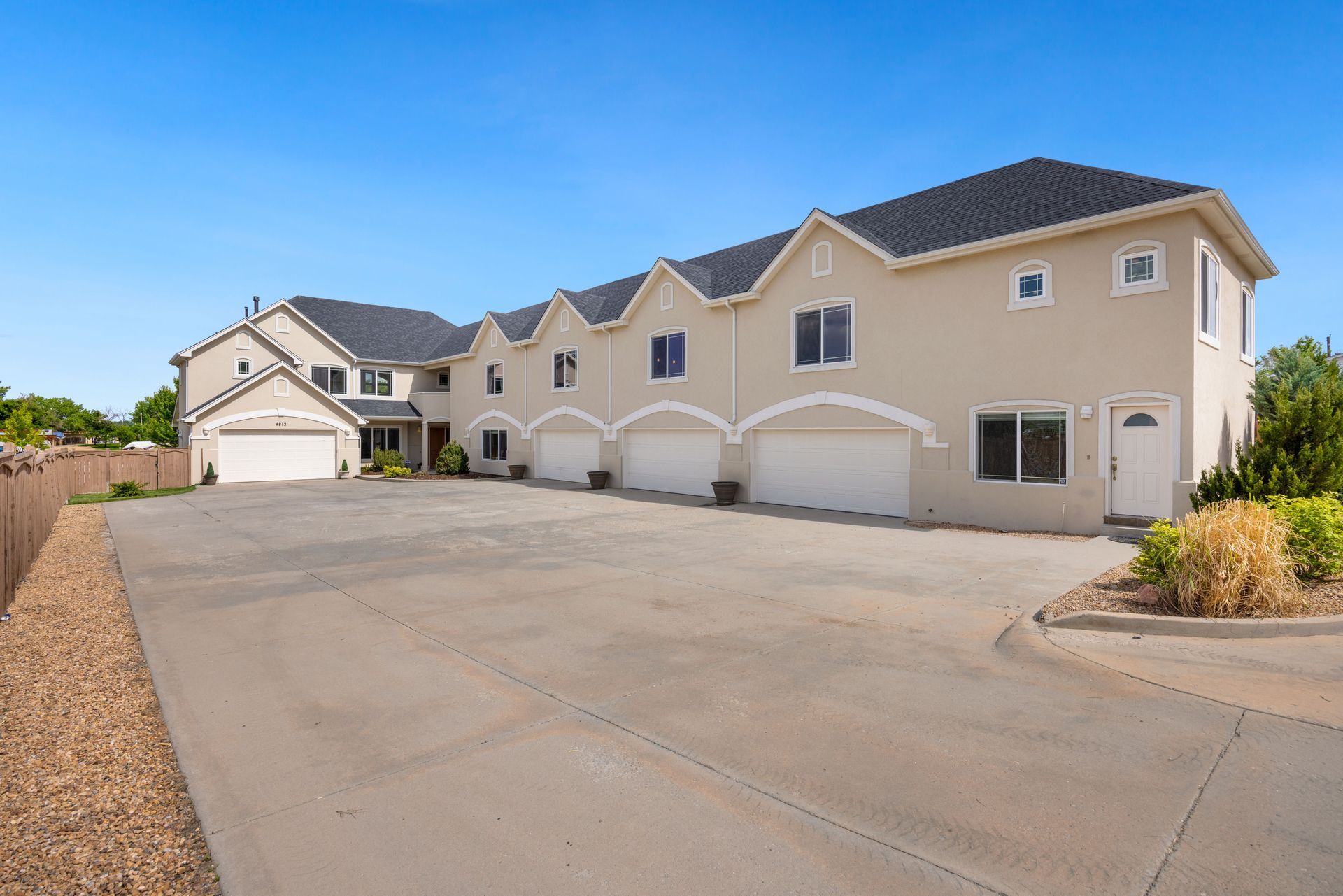
If your siding is still in good condition but looks faded, dated, or just plain tired, painting can be a smart way to refresh your home's exterior and get more life out of it. If the siding is cracked, warped, rotting, loose, or dealing with widespread moisture damage, replacement may make more sense.
In other words, ugly siding doesn't necessarily need to be replaced. But failing siding might. And that's an important distinction, especially around Chicagoland where plenty of older homes still have aluminum, vinyl, cedar, wood, or hardboard siding that's been battling Midwestern weather for decades. So before you commit to a major siding replacement, here's how to figure out whether a good paint job could buy you more time or whether it's time to say goodbye.
Start With the Siding, Not the Color
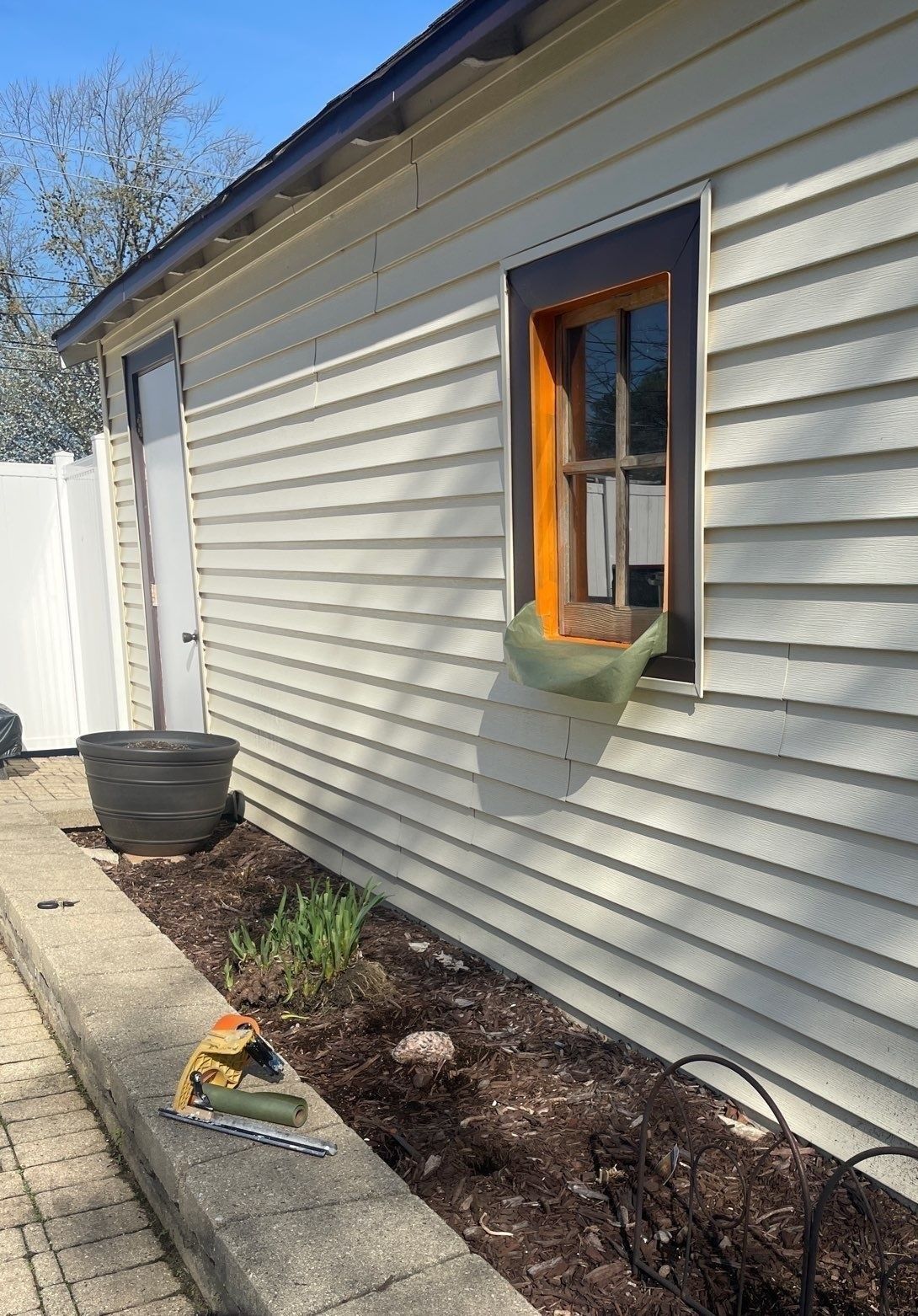
The biggest question isn't whether you still like the color of your siding. It's whether the siding underneath that color is doing its job. Faded aluminum siding, for example, may look pretty rough while still being perfectly functional. Cedar siding may have peeling paint but remain structurally sound underneath. Even vinyl siding can sometimes be painted successfully when it's in good condition.
Those are very different situations from siding that's rotting, severely warped, cracked, pulling away from the house, or allowing moisture to get where it shouldn't. Paint can improve appearance and provide another layer of protection. It cannot perform CPR. If the underlying siding has reached the end of its useful life, covering it with a fresh color doesn't change that.
Some Siding Is a Better Candidate for Paint
The material on your house matters.
Aluminum siding: Often an excellent candidate for repainting. Older aluminum siding commonly becomes faded or chalky over time, but if the panels are still sound, proper cleaning, preparation, priming where needed, and the right coating can dramatically improve its appearance.
Wood and cedar siding: Both have been painted for generations and can often be repainted successfully. The key is condition. Peeling coatings, exposed wood, failed caulk, and minor deterioration need to be properly addressed before new paint goes on.
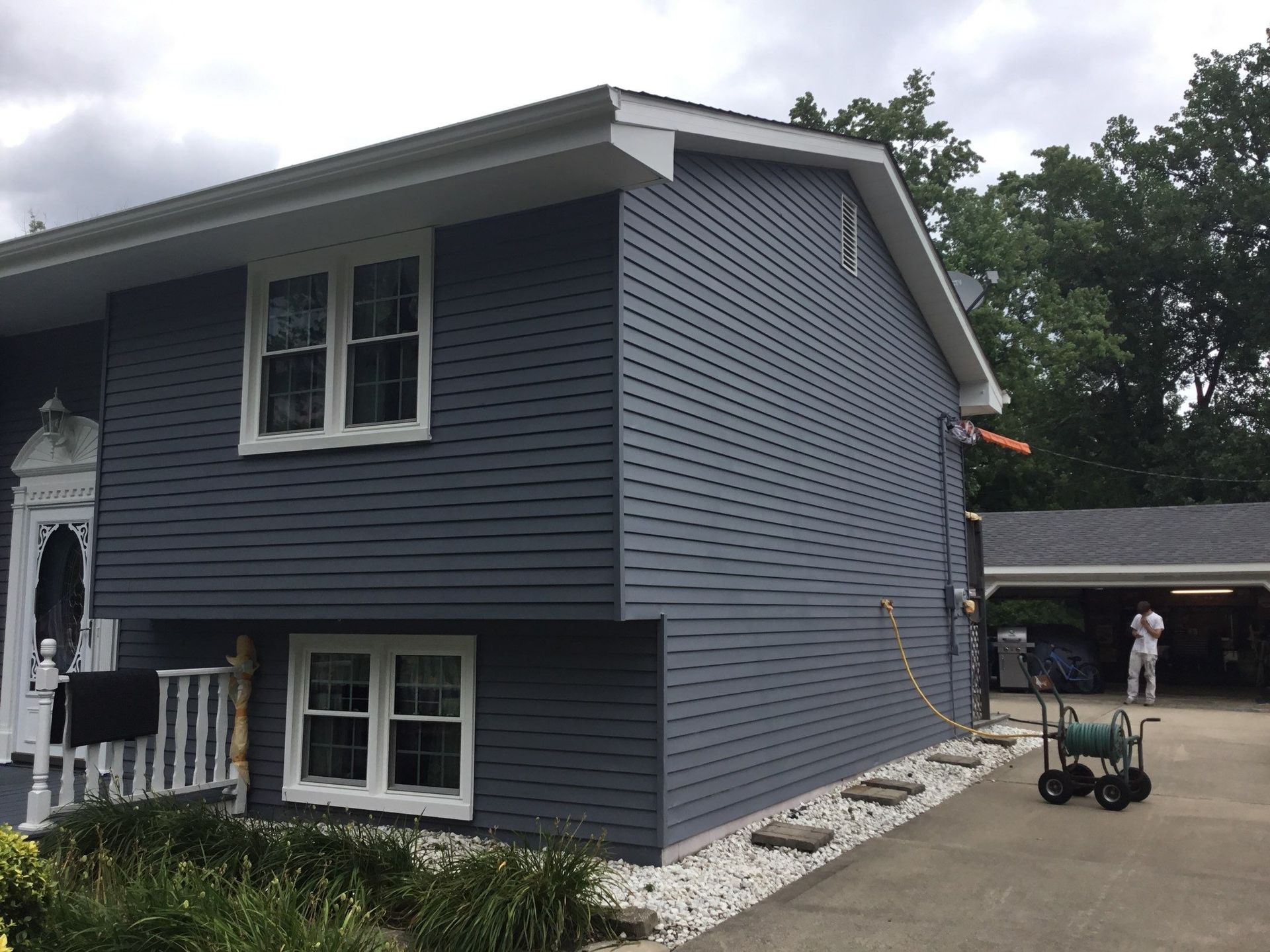
Vinyl siding: Vinyl can also be painted, although there are more considerations involved. The coating needs to be appropriate for vinyl, and color selection matters because some darker colors can absorb more heat than the siding was designed to handle.
Hardboard or engineered wood siding: Also may be paintable. But once these materials begin swelling, deteriorating, or experiencing significant moisture damage, painting becomes much less likely to solve the problem.
And all of that is why a painter should evaluate the actual siding rather than simply tell you, "Sure, we can paint that."
Painting Isn't Necessarily a Band-Aid
Homeowners sometimes assume painting old siding is just delaying the inevitable. Technically, it is. But so is almost every maintenance project you do to a house. The better question is how much useful life can you reasonably get from the siding?
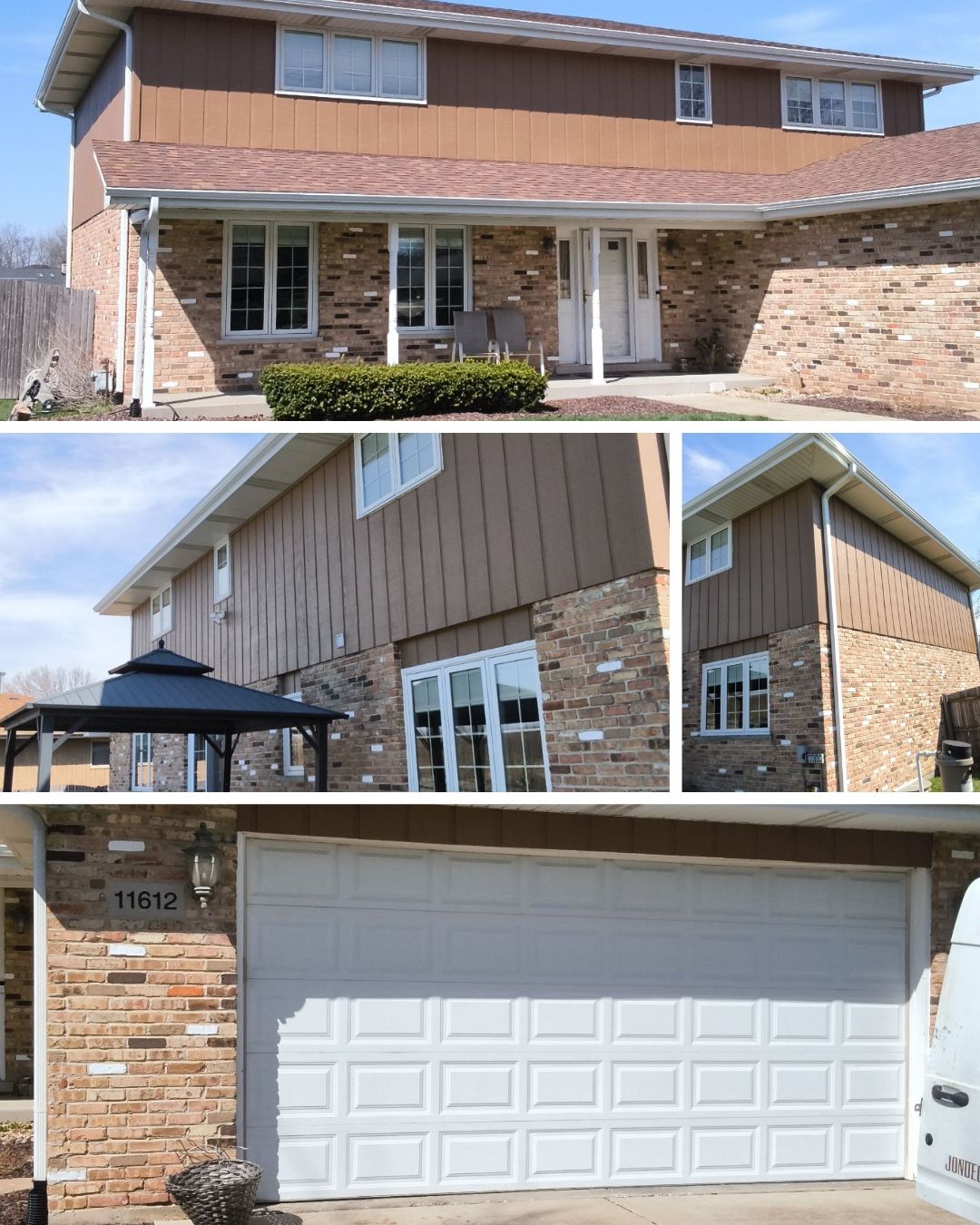
If your siding is structurally sound and you simply dislike the faded finish or outdated color, painting can provide a significant exterior transformation without the cost and disruption of replacing everything. A properly prepared and professionally painted exterior can last for years, although the exact lifespan depends on the siding material, coating system, exposure, preparation, and weather.
And let's be honest, Chicagoland gives exterior coatings plenty of weather to work with. Hot summers, freezing winters, moisture, snow, and repeated freeze-thaw cycles all affect exterior surfaces over time. That makes proper exterior painting preparation especially important.
When Paint Isn't Going to Save It
There comes a point when repainting stops making financial sense. Replacement deserves serious consideration when siding has widespread rot or moisture damage, significant cracking or warping, loose or failing panels, extensive deterioration, or problems that would require substantial repairs before painting could even begin.
A few localized repairs are one thing. Repairing half the exterior just so you can paint it is another. You also need to think about what you're trying to accomplish long-term. If you're hoping to get another several years from otherwise functional siding, painting may be exactly what you need. If you already know the siding is nearing the end of its lifespan and you plan to stay in the house for decades, putting money toward replacement may be the better investment. This is where an honest assessment matters more than a blanket "painting is cheaper" answer. Yes, painting generally costs significantly less upfront than full siding replacement. But cheaper isn't cheaper if you're painting material that needs to come off the house two years later.