How Much Should It Cost to Paint the Exterior of a 3,000 Sq Ft House?
Last Updated: July 15, 2026
For most 3,000 square foot homes, somewhere between $7,500 and $15,000. Can numbers fall outside of that range? Absolutely. Could we narrow those estimates down to give you something more predictable? Not without discussing home condition, number of stories, siding material, and the type of paint used (which we will do in this blog).
Exterior painting isn't exactly like buying a gallon of milk where every seller is selling, basically, the same thing. Two painters can both promise to paint your house, but offer completely different levels of preparation, materials, warranties, and workmanship. So let's break down where the money actually goes.
Preparation Is Usually the Biggest Variable
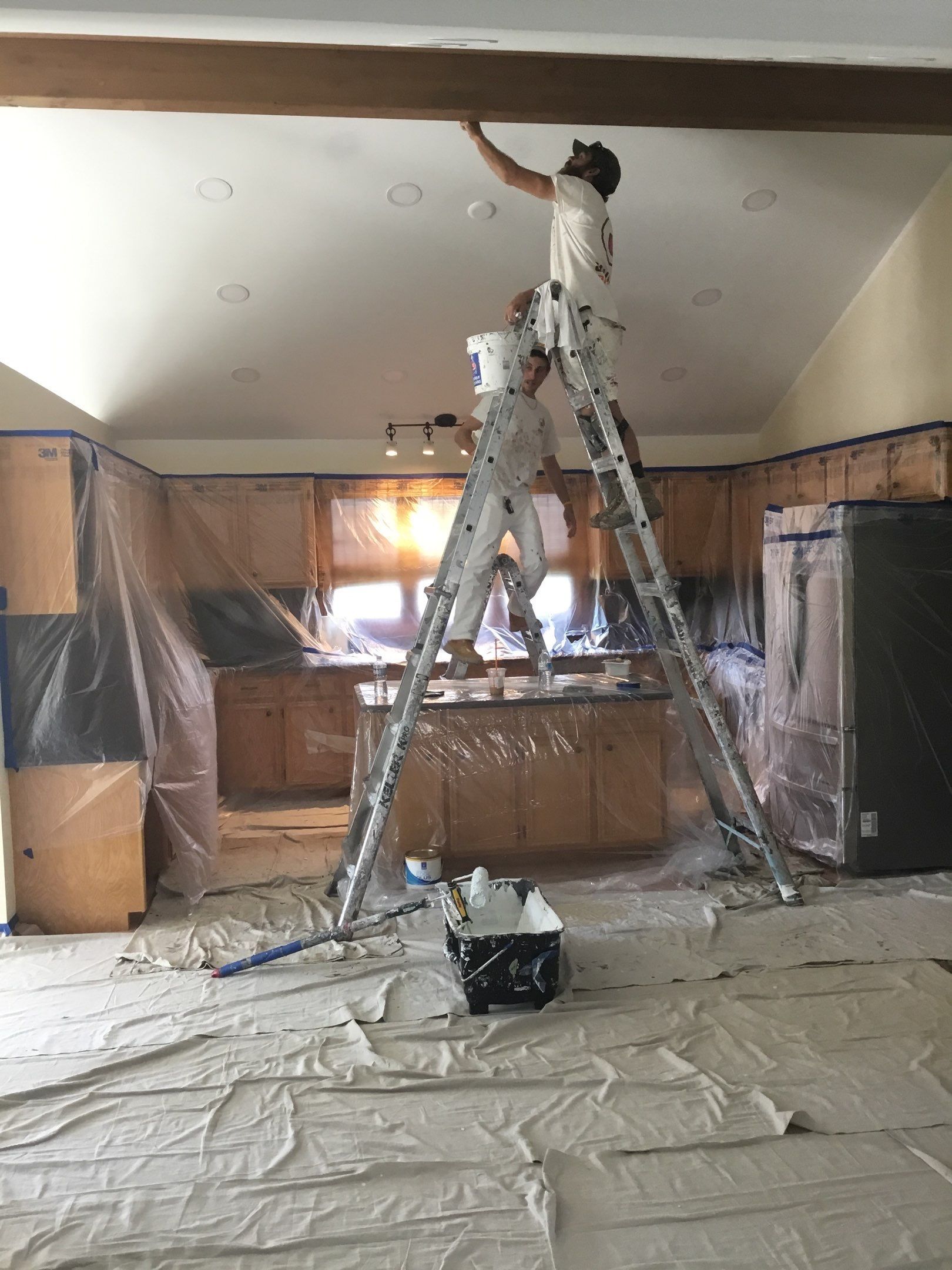
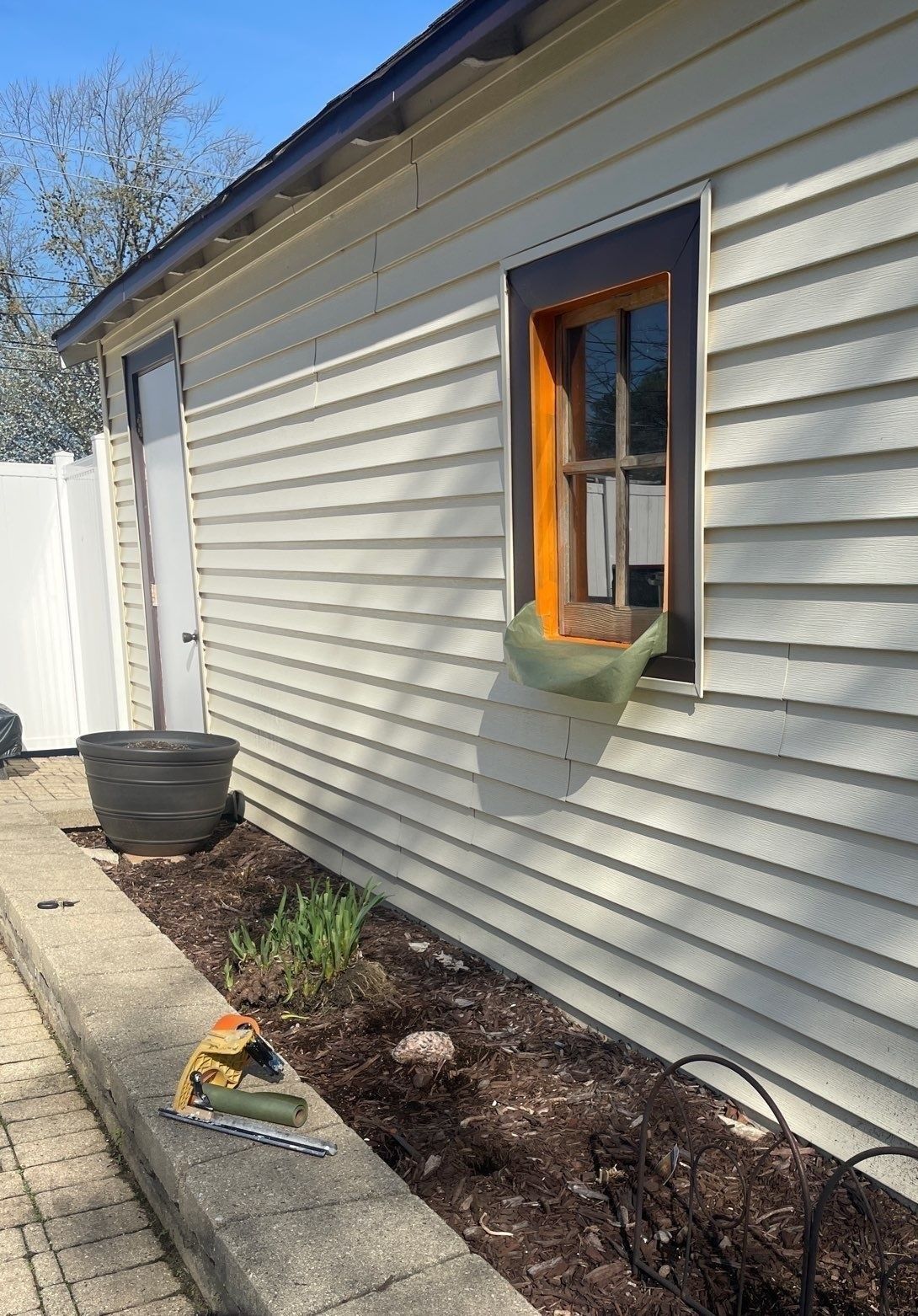
If you've ever heard the phrase, "Paint is only as good as the surface underneath it," congratulations. You've officially heard one of the least exciting but most accurate sayings in the painting industry. Preparation often determines both the cost and the lifespan of an exterior paint job. A newer home with paint that's still in decent shape may only need washing, minor scraping, light sanding, and fresh caulking. An older home with peeling paint, cracked trim, or failing caulk can require significantly more labor before the first coat of paint is even opened.
Preparation isn't glamorous, but it's the difference between paint lasting a few years and lasting much longer.
Size Isn't the Only Thing That Matters
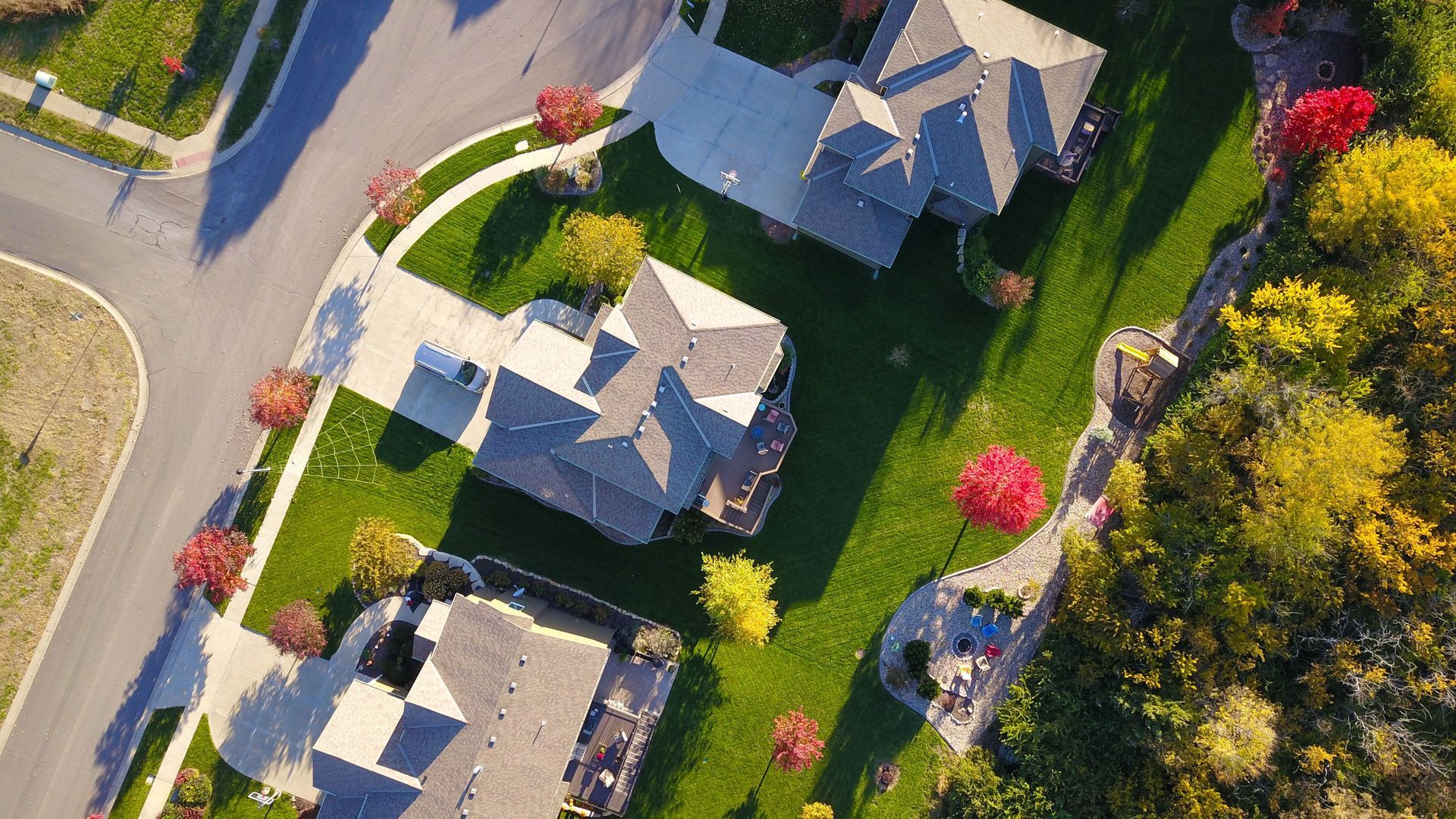
A 3,000 square foot home tells you part of the story, but not the whole story. Several other factors influence how much labor, equipment, and preparation a project requires.
Number of Stories
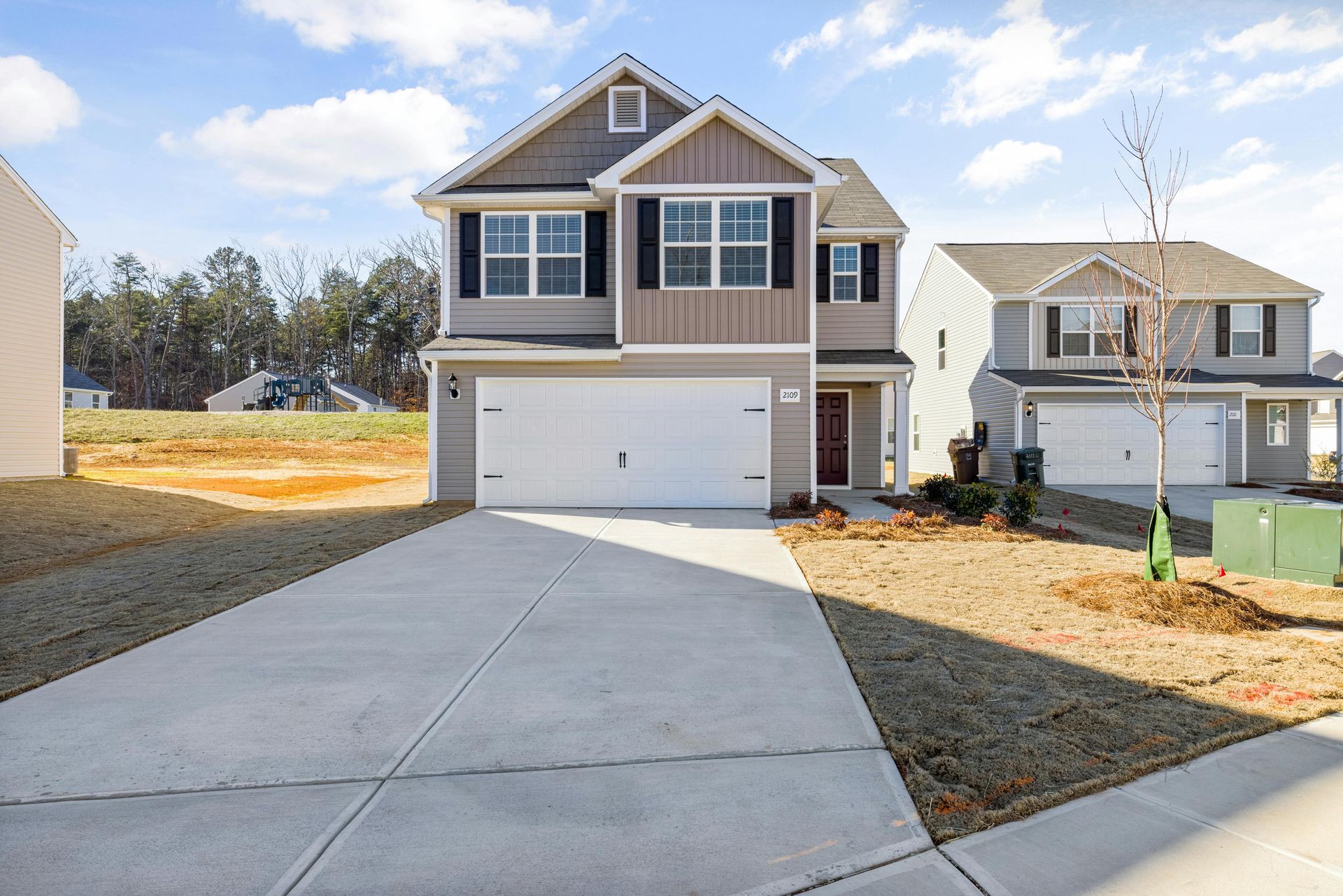
A 3,000 square foot ranch and a 3,000 square foot two-story home may have very different painting costs. Taller homes require more ladder work, additional safety equipment, and simply take longer to paint. Even moving equipment around the property becomes more time-consuming.
Architectural Complexity
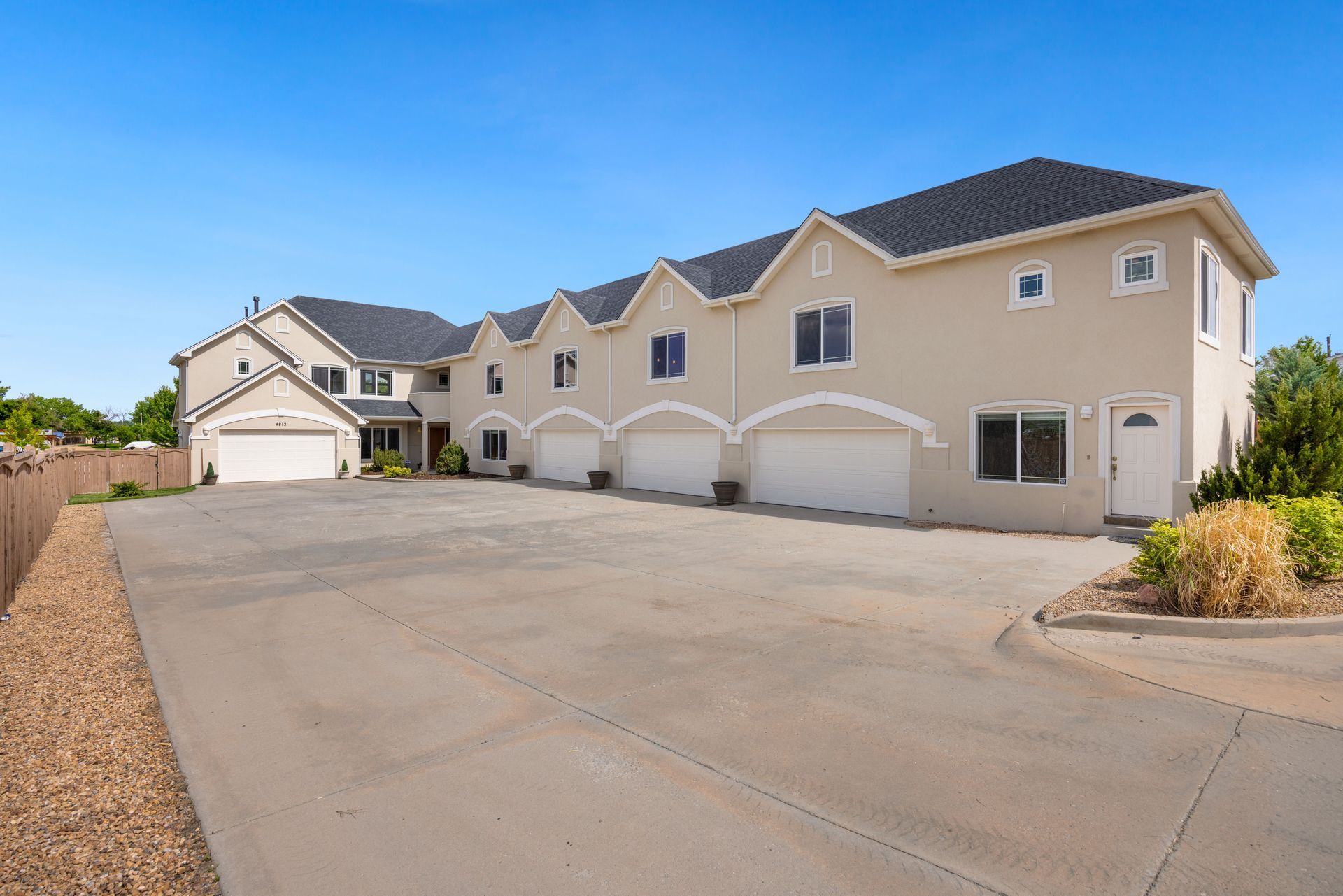
Simple homes are generally quicker to paint than homes with multiple gables, dormers, decorative trim, or intricate rooflines. Every extra corner, peak, and hard-to-reach area adds labor, even if the home's total square footage stays the same.
Siding Material
The material covering your home also plays a major role. Wood siding often requires more scraping, sanding, and ongoing maintenance than vinyl or fiber cement. Stucco presents its own application challenges, while previously painted brick may require additional preparation depending on its condition.
The Paint You Choose
Not all exterior paints perform the same. Higher-quality products generally cost more upfront, but they're often designed to better withstand sunlight, moisture, temperature swings, and everyday wear. That can translate into better color retention, improved durability, and fewer repainting cycles over time.
Don't Forget Repairs
Another reason estimates sometimes vary dramatically is because some contractors include repairs while others don't.
During an exterior painting project, it's common to discover loose trim, small areas of wood rot, damaged fascia boards, failing caulk, or other issues that should be addressed before painting. Some companies build those repairs into the proposal. Others list them separately or wait until work begins to discuss them. Neither approach is necessarily wrong, but it's important to understand exactly what's included before comparing prices.
So...What's a Fair Price?
Like we said, for most homeowners, hiring a professional to paint the exterior of a 3,000 square foot home will cost somewhere between $7,500 and $15,000. But a newer, single-story home with minimal preparation may land toward the lower end of that range. And a two-story home with extensive scraping, carpentry repairs, premium paint, and intricate architectural details can easily push toward the upper end or beyond.
A typical estimate often includes:
- Pressure washing the exterior
- Surface preparation (scraping, sanding, and caulking)
- Minor repairs or patching (depending on the contractor)
- Primer where needed
- Two finish coats on siding and trim (when appropriate)
- Cleanup and a final walkthrough
It's also worth asking exactly what isn't included. Some contractors price carpentry repairs, extensive wood replacement, or specialty coatings separately, while others include them in the proposal. Understanding those differences makes it much easier to compare estimates fairly.
The Bottom Line
The best estimate isn't necessarily the cheapest one. It's the one that clearly explains the scope of work, the products being used, the preparation involved, and the warranty you'll receive. Spending a little more upfront for proper preparation can often add years to the life of your paint job, making it the better value in the long run.
Jondec Painting
At Jondec Painting, we believe homeowners deserve to understand what they're paying for before making a decision. Every home is different, and the best estimate is one that's tailored to your home's condition rather than based on a one-size-fits-all price. Even if you're still gathering information, asking the right questions now can help you make a confident decision later. If you’re looking to nail down some questions specific to your home, give us a call! We’d love to help.
Frequently Asked Questions
Q: Why are painting estimates so different?
A: Differences usually come down to preparation, paint quality, repairs, labor, warranties, and what's included in the scope of work.
Q: Is it worth paying more for better paint?
A: In many cases, yes. Premium exterior paints generally provide better durability, color retention, and weather resistance, which can extend the life of the paint job.
Q: Does a two-story house cost more to paint than a ranch?
A: Usually. Taller homes require additional labor, equipment, and safety measures, which often increases the overall project cost.
Q: Should I get multiple estimates?
A: Absolutely. Comparing several detailed estimates helps you understand pricing differences and ensures you're evaluating the full scope of work rather than just the bottom line number.