Can a Painter Fix Wood Rot and Damaged Siding Before Painting?

Last Updated: September 14, 2026

Often, yes. Many painting contractors can handle minor exterior wood repairs, such as replacing damaged trim or individual siding boards, as part of the prep process. But there’s a line between normal paint-related repairs and major carpentry or structural work. If the damage is extensive, affects the structure of the home, or points to a larger moisture problem, you may need a carpenter or another specialist before painting can continue.


And that's an important distinction, because sometimes what looks like a paint problem isn't really a paint problem at all. Sure, peeling paint may be the first thing you notice. Once prep starts, though, there might be soft trim, deteriorated siding, or moisture damage hiding underneath. On older Chicagoland homes especially, exterior wood has had plenty of time to become acquainted with rain, snow, humidity, and our seemingly endless freeze-thaw cycles.


So, what can your painter actually fix?


When Peeling Paint Is More Than Peeling Paint


Peeling paint by itself doesn't necessarily mean the wood underneath is rotten. Paint can fail because of age, poor previous preparation, moisture, sun exposure, or simply because the coating has reached the end of its useful life. The condition of the wood underneath is what matters. Sound wood should generally feel firm. Rotten or significantly deteriorated wood may feel soft, spongy, crumbly, or unusually easy to penetrate. You might also notice discoloration, cracking, sections pulling apart, or areas that no longer hold fasteners properly. Sometimes the extent of the damage isn't obvious until loose paint is scraped away. Exterior prep occasionally comes with surprises. Unfortunately, they're rarely the fun kind.


Some Wood Repairs Are Part of the Painting Conversation


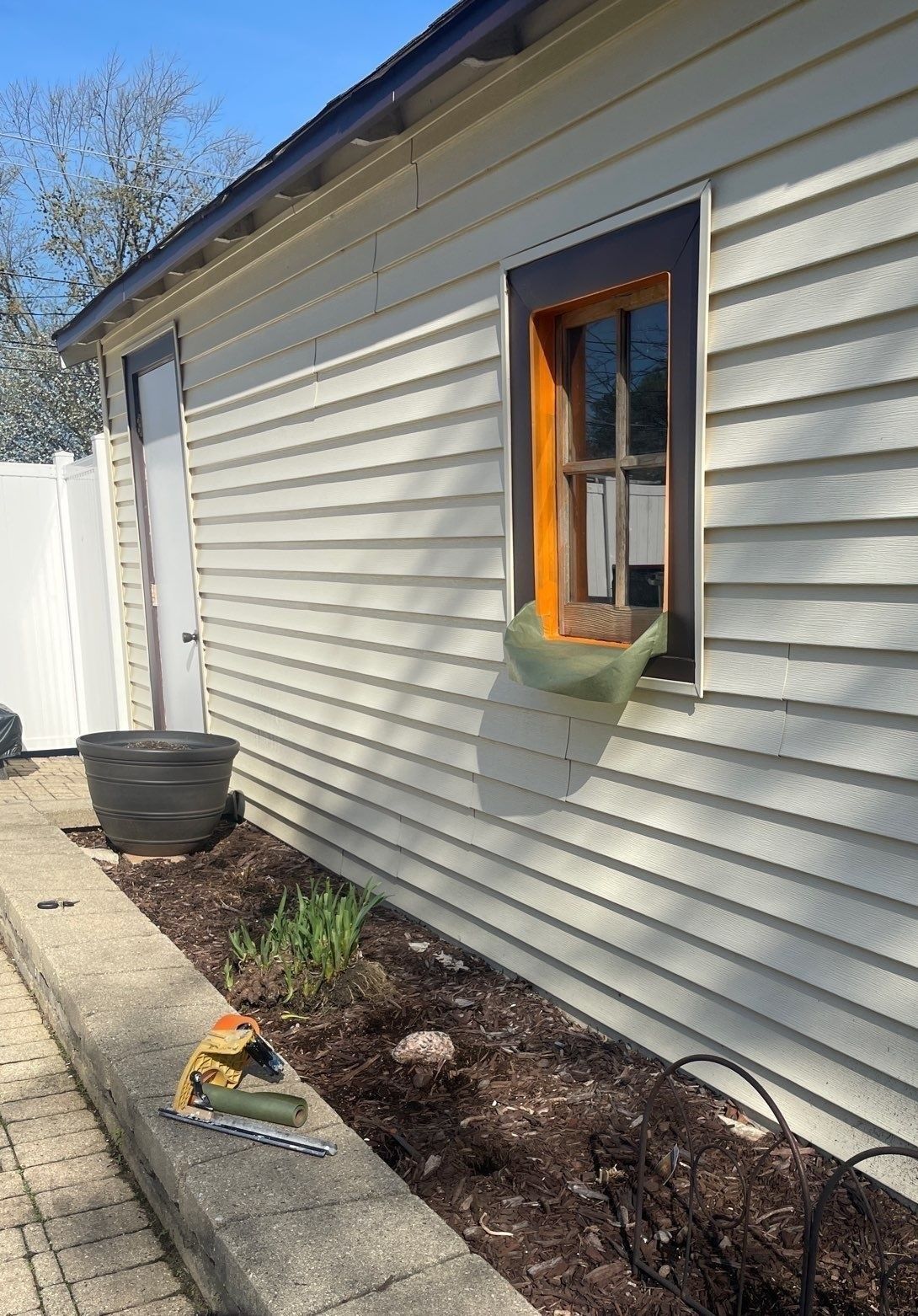
Finding damaged wood doesn't automatically mean you need to stop everything and find a separate carpenter. Depending on the painting contractor and the scope of the project, relatively straightforward repairs may be handled before painting continues. That can include replacing a damaged trim board, repairing small areas of deterioration, or replacing individual wood siding boards.


Slightly damaged wood may sometimes be repaired rather than completely replaced, too. The right approach depends on where the damage is located, what caused it, and whether the remaining wood is still sound enough for a durable repair. 


Paint Is Not a Wood Repair Product


This one is pretty straightforward: You should not paint over rotten, soft, or seriously deteriorated wood. Fresh paint may make the area look better temporarily, but it doesn't restore the strength of damaged wood or stop an underlying moisture problem.


Think of paint as the finishing step, not a very colorful structural repair.


If deterioration is found, the damaged material should be evaluated and repaired or replaced as appropriate. It's also important to consider why the damage occurred. A failed piece of trim exposed to years of weather is one thing. Repeated water intrusion from a roof, gutter, window, or another part of the house is something else. Fixing the wood without addressing the source of the moisture can put you right back in the same situation later.


When the Job Becomes a Carpentry Project


There isn't a universal rule for where a painter's work ends and a carpenter's begins. Painting companies have different capabilities.


Generally, localized, nonstructural repairs connected directly to an exterior painting project may be within a painting contractor's wheelhouse. Extensive siding replacement, framing damage, structural rot, widespread deterioration, or repairs involving other building systems may require a carpenter or another qualified trade. And sometimes the smartest thing a painting contractor can tell you is, "This needs to be fixed by someone else first."


That's not passing the buck. That's recognizing when the problem has moved beyond paint prep.

Person painting a wall green with a paint roller in a room under renovation

What Happens When Damage Is Discovered Mid-Project?


Ideally, obvious damage is identified when your exterior is evaluated and included in the original scope. But not everything is visible from the beginning.


Scraping away peeling coatings or removing a deteriorated board can reveal additional damage underneath. If that happens, your painter should stop in that area, explain what was found, recommend the next step, and clarify whether the repair changes the scope or price. This is also why homeowners should ask about repairs when comparing estimates. Is minor wood replacement included? How are unexpected repairs priced? Can the painting company handle them, or would another contractor need to get involved? 


Chicagoland Homes Give Exterior Wood a Workout


Older Chicago-area homes can have plenty of exterior wood, including siding, fascia, soffits, window trim, door trim, and other architectural details. Those surfaces spend year after year expanding, contracting, getting wet, drying out, freezing, and thawing.


Eventually, vulnerable areas can deteriorate.


Peeling paint, exposed wood, cracking, or recurring coating failure can all be [signs it's time for exterior painting], but they can also be clues that something underneath needs attention. That's why proper prep includes looking at the condition of the surface rather than simply covering whatever is there.


The Takeaway


Finding damaged wood during an exterior painting project doesn't necessarily mean you're suddenly dealing with a major renovation. Minor trim, siding, and wood repairs can often be handled as part of the painting process. But if the damage is widespread, structural, or connected to a larger moisture problem, it needs more than a fresh coat of paint. The important thing is to repair what's actually causing the problem first. Paint can protect sound wood. It can't make rotten wood sound again.


Jondec Painting


At Jondec Painting, prep means more than getting a surface ready for a fresh coat of paint. If we uncover damaged trim, siding, or other exterior wood, we want to understand what’s going on underneath before covering it up. Our team can address many common exterior repairs as part of the painting process and, when a problem goes beyond the scope of normal repair work, help you understand what needs to happen before painting can continue. 


The goal is pretty simple: fix what needs fixing, prep it properly, and then paint. Contact us for any other questions!


Frequently Asked Questions

Can painters repair wood rot?
Many painting contractors can handle minor, localized wood repairs. Extensive or structural rot may require a carpenter or another specialist.


Should rotten wood be replaced before painting?
Yes, significantly rotten or deteriorated wood should be repaired or replaced as appropriate before it is painted.


Can you paint over damaged wood?
Minor imperfections may be repairable, but soft, rotten, or seriously deteriorated wood shouldn't simply be covered with paint.


How do you know if exterior wood is rotten?
Rotten wood may feel soft, spongy, crumbly, or weakened. Peeling paint, discoloration, cracking, and recurring moisture problems can also be warning signs.


Is wood repair included in an exterior painting estimate?
It depends on the contractor and scope. Known repairs may be included or listed separately, while hidden damage discovered during prep may result in additional work.


Can a painter replace damaged siding?
Some painting contractors can replace individual siding boards or handle other localized siding repairs. Larger replacement projects may require a siding contractor or carpenter.


What happens if wood rot is found during prep?
The affected area should be evaluated before painting continues. Your contractor should explain the damage, recommend a repair, and discuss any changes to the scope or cost.

Share this article

Recent Posts

September 28, 2026
Which exterior paint problems can wait until spring? Learn what Chicagoland homeowners can postpone and what should be addressed before winter.
August 29, 2026
Should you paint your siding or replace it? Learn when painting aluminum, vinyl, cedar, and other siding makes sense for Chicagoland homes.
August 14, 2026
ow much prep should a painter do before painting your house? Learn what exterior paint prep should include and what Chicagoland homeowners should look for when comparing estimates.
July 30, 2026
Is October too late to paint outside? Learn why October can be one of the best months for exterior painting, what temperatures matter most, and when it's better to wait until spring.
July 15, 2026
How much does it cost to paint the exterior of a 3,000 sq ft house? Learn typical price ranges, what affects cost, and how to compare painting estimates like a pro.
Tennis court with a squeegee or mop cleaning a wet floor in the foreground, person blurred in the background.
By Christine Lekberg • June 21, 2026
Planning a summer painting project for your school, church, or facility? Learn how to prioritize projects, maximize short break windows, and set realistic expectations for a successful summer refresh.
Modern kitchen with dark green cabinets, white countertops, and a window above the sink
By Christine Lekberg • June 14, 2026
Thinking about painting your kitchen cabinets? Learn what cabinet painting typically costs, how long the process takes, and when painting makes more sense than replacing your cabinets.
Corner view of a white historic building with arched windows and ornate stone detailing
By Christine Lekberg • June 7, 2026
Not sure whether to paint this year or wait until next year? Learn how to evaluate your home's condition, budget, future plans, and the true cost of delaying a painting project.
Aerial view of suburban houses with green lawns, trees, and a curved driveway in bright sunlight
By Christine Lekberg • May 30, 2026
Planning an HOA painting project? Learn how boards and property managers can budget realistically, phase projects strategically, and improve the approval process for large exterior maintenance projects.
Two paintbrushes on a wooden surface, one wide flat brush and one small round brush with paint on the bristles
By Christine Lekberg • May 20, 2026
Is deck staining actually worth the cost and maintenance? Learn how long deck stain lasts, what happens if you skip it, and when a deck may be too far gone to stain.
Show More