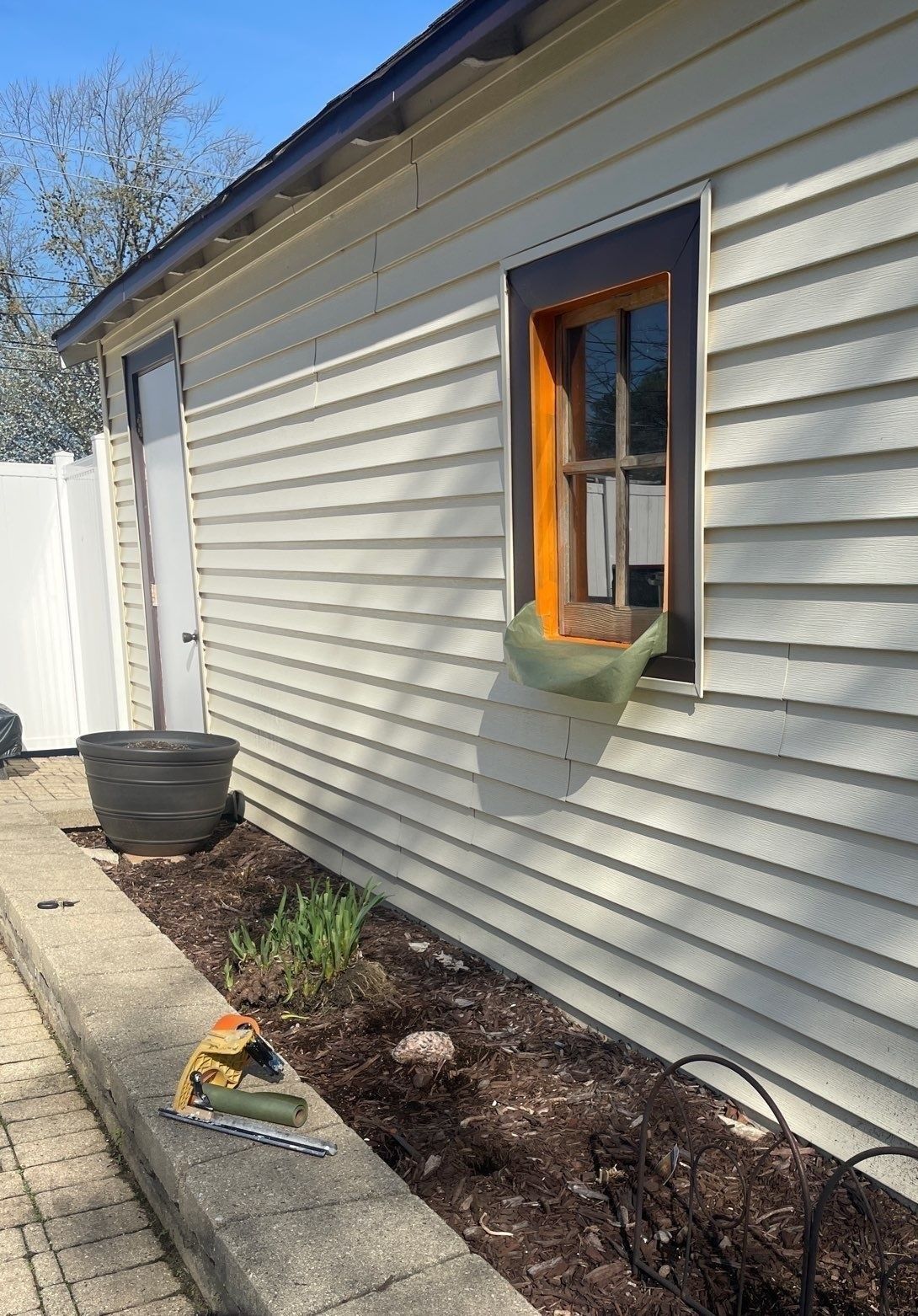
How Do I Know If My House Actually Needs Exterior Painting?
Definitely not just because a can of paint or a catchy internet ad told you so. The truth is, not every house needs exterior painting on a set schedule. Some homes can go years without any real issues, while others start showing signs much sooner. And if you’re like most homeowners, you probably want to know where your house falls. You don’t want to repaint too early and spend money you didn’t need to. You also don’t want to wait too long and turn a manageable project into a bigger one.
So how do you actually tell?
It comes down to knowing what to look for—and understanding the difference between normal wear and early signs that your home’s protection is starting to break down.
Start With What You Can See
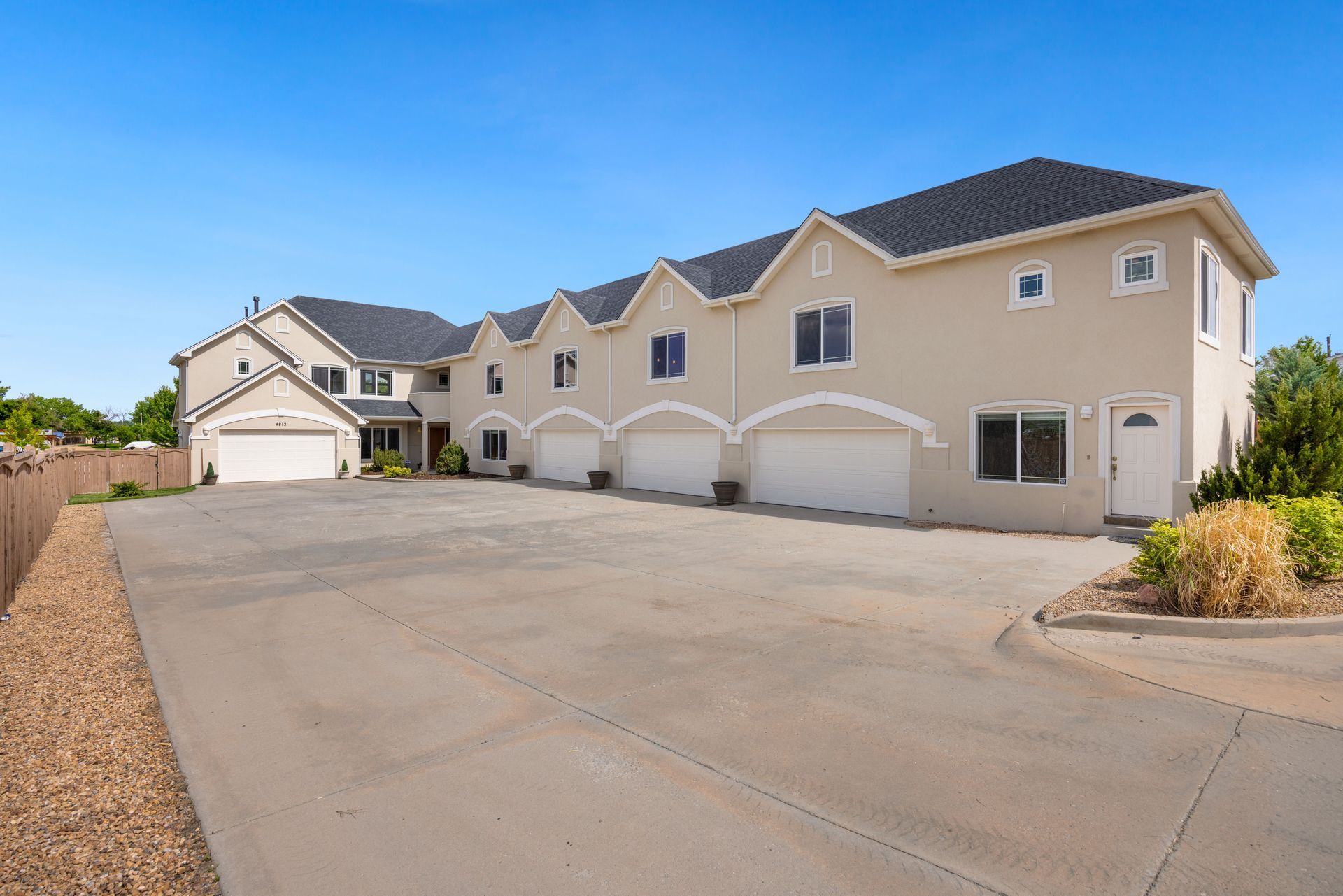
Before anything else, take a slow walk around your house. No ladder needed. No deep inspection. Just a normal, everyday look.
What stands out?
If everything looks mostly even and consistent, that’s a good sign. If certain areas are catching your eye—faded spots, rough patches, trim that looks a little off—that’s where you want to pay closer attention. A good rule of thumb: if you have to squint to notice something, it’s probably not urgent. If it jumps out at you from the driveway, it’s worth a closer look.
The Real Signs to Look For
Not all wear and tear means the same thing. Some things are cosmetic. Others are early warning signs that your home’s protection is starting to break down. Here are the big ones to watch for:
Peeling or Cracking Paint
This is one of the clearest indicators. When paint starts
peeling or cracking, it’s no longer doing its job. That outer layer is supposed to protect your siding and trim from moisture, and once it fails, those surfaces are exposed.
Chalking (That Dusty Feeling)
Run your hand along the siding. If you get a light, powdery residue, that’s called
chalking, or if we’re being technical, oxidation. It’s basically a sign the paint is breaking down from sun and weather. Not always urgent, but definitely a sign it’s aging.
Fading and Color Loss
This one’s more about appearance. Over time, sun exposure can dull even the best paint colors. Fading alone doesn’t mean you
need to paint right away (unless you want the color back)—but it does tell you the coating is getting older.
Caulking That’s Failing
Take a look around windows, doors, and trim. If you see cracks, gaps, or areas where caulk is pulling away, that’s something to pay attention to. Caulking helps seal out water, and once it fails, moisture can find its way in.
Soft or Damaged Wood
If any wood trim feels soft, looks swollen, or shows signs of rot, that’s beyond a paint issue. At that point, you’re looking at repair work first. Painting over it won’t solve the problem. It just hides it for a while.
What’s Cosmetic… and What’s Not
This is where things get a little easier. Some issues might bother you visually but don’t necessarily require immediate action. Others might not look dramatic yet, but they matter more than they seem.
- Fading or slight color changes? Usually cosmetic.
- Minor wear in low-impact areas? Often okay to monitor.
- Peeling paint, exposed surfaces, or failing caulk? That’s where it becomes more than just appearance.

Can You Wait Another Year?
Here’s a simple way to think about it. If the issues you’re seeing are small, isolated, and not getting worse quickly, you probably have some flexibility. You can plan ahead, get estimates, and choose your timing. But if those issues are starting to spread—more peeling, more exposed areas, more spots catching your attention—it’s better to address it sooner rather than later.
Waiting doesn’t always save money. In some cases, it just turns a manageable project into a bigger one.
Why Timing Isn’t the Same for Every Home
Two houses on the same street can age completely differently. One might get more direct sunlight. Another might deal with more moisture or wind exposure. One may have had detailed prep work done last time, while the other was more of a quick refresh.
That’s why there’s no perfect schedule.
It’s not really about hitting a specific year so much as it’s about how your home is holding up in real conditions, especially with Midwest weather doing what it does best. With the right kind of location, yearly exterior maintenance (like washing), and application, one paint coat could easily last twice as long as another one.
The Bottom Line?
Not every home needs exterior painting on a set schedule. Some can wait. Some shouldn’t. The key is knowing the difference between normal aging and early signs of failure.
Jondec Painting
At Jondec Painting, a big part of the process is simply helping homeowners understand what they’re seeing. Sometimes that means it’s time to move forward with a project. Other times, it means you’ve got another season or two before it really makes sense.
Either way, the goal is the same: give you a straightforward answer so you can make the right decision for your home, on your timeline. If you’re starting to notice a few of these signs and want a second opinion, getting a professional look at it can help you understand exactly where things stand—and what to expect next.