
Property Managers: Why Winter Interior Painting Projects Save Time, Money, and Tenant Headaches

January 24, 2026

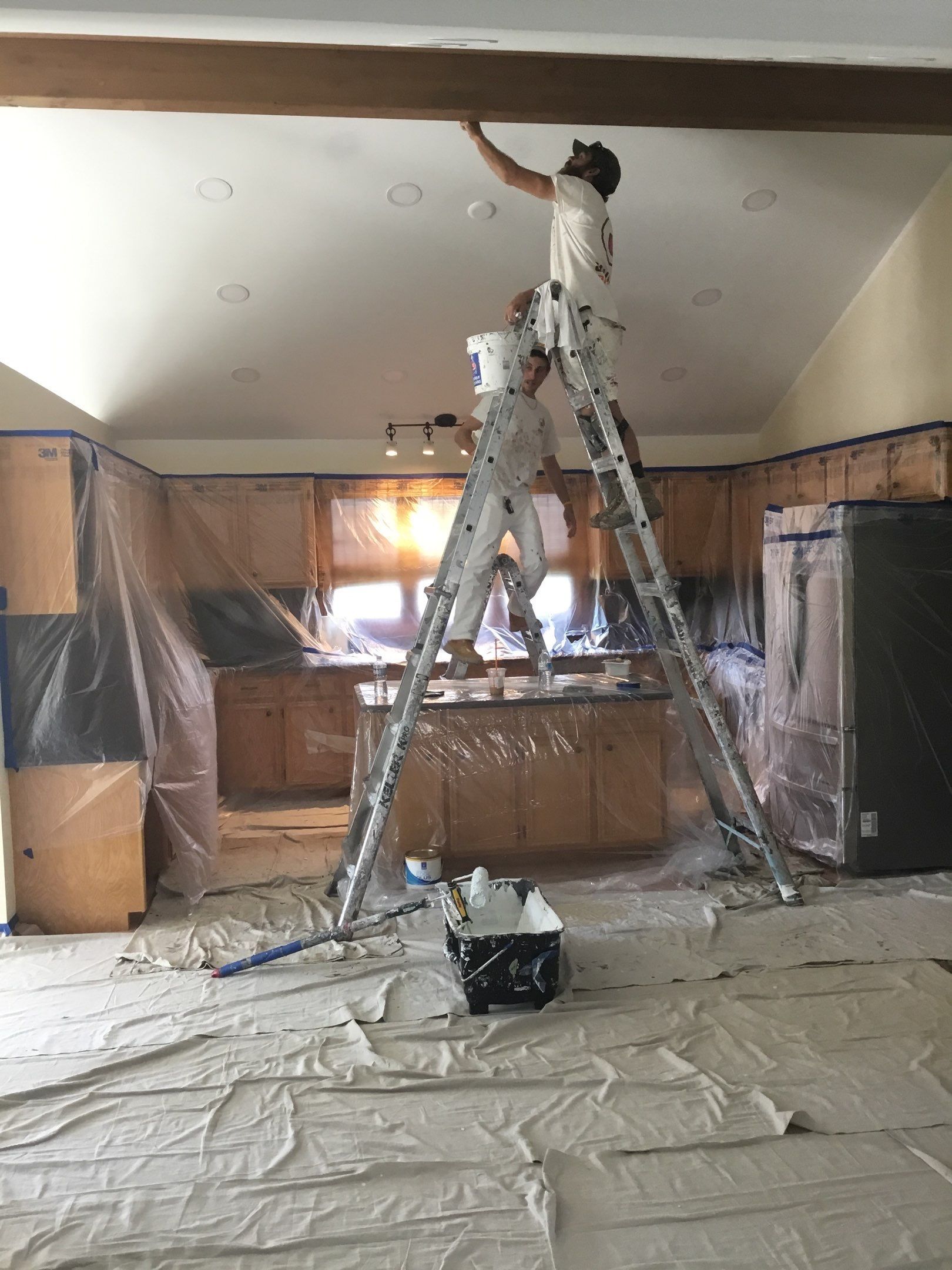
Winter gets a bad rap in property management. The weather is unpredictable, tenants are cooped up, and everyone is waiting for spring, because we all know warmer air fixes everything. But here is the reality: winter is often the smartest season for interior painting projects, especially in multi-unit properties where timing and tenant experience matter just as much as the finished result.


While many property managers default to “we’ll tackle it later,” winter offers a rare window of opportunity to make meaningful interior improvements with fewer scheduling obstacles, better planning momentum, and a lot less chaos.


If your budget planning is underway and your maintenance calendar is filling up, this is your friendly reminder that winter painting is not a compromise. It is a strategy.


Winter Painting Helps You Stay Ahead of the Spring Scramble

Spring is when everyone wants something done. Owners want units turned quickly. Tenants start complaining about things they ignored all winter. Contractors get booked out. And suddenly “we’ll wait until spring” becomes “why are we still waiting?”


Winter interior painting flips that dynamic.


More availability, fewer delays:

In winter, exterior work slows down, which means painters often have more room in their schedules for interior projects. That gives property managers the ability to plan proactively and avoid the typical spring backlog.


Easier unit turns:

If you manage properties with frequent turnover, winter projects often align perfectly with vacancy windows. Units that need paint can be refreshed without rushing, which helps you maintain quality without disrupting leasing timelines.


Better sequencing for larger properties:

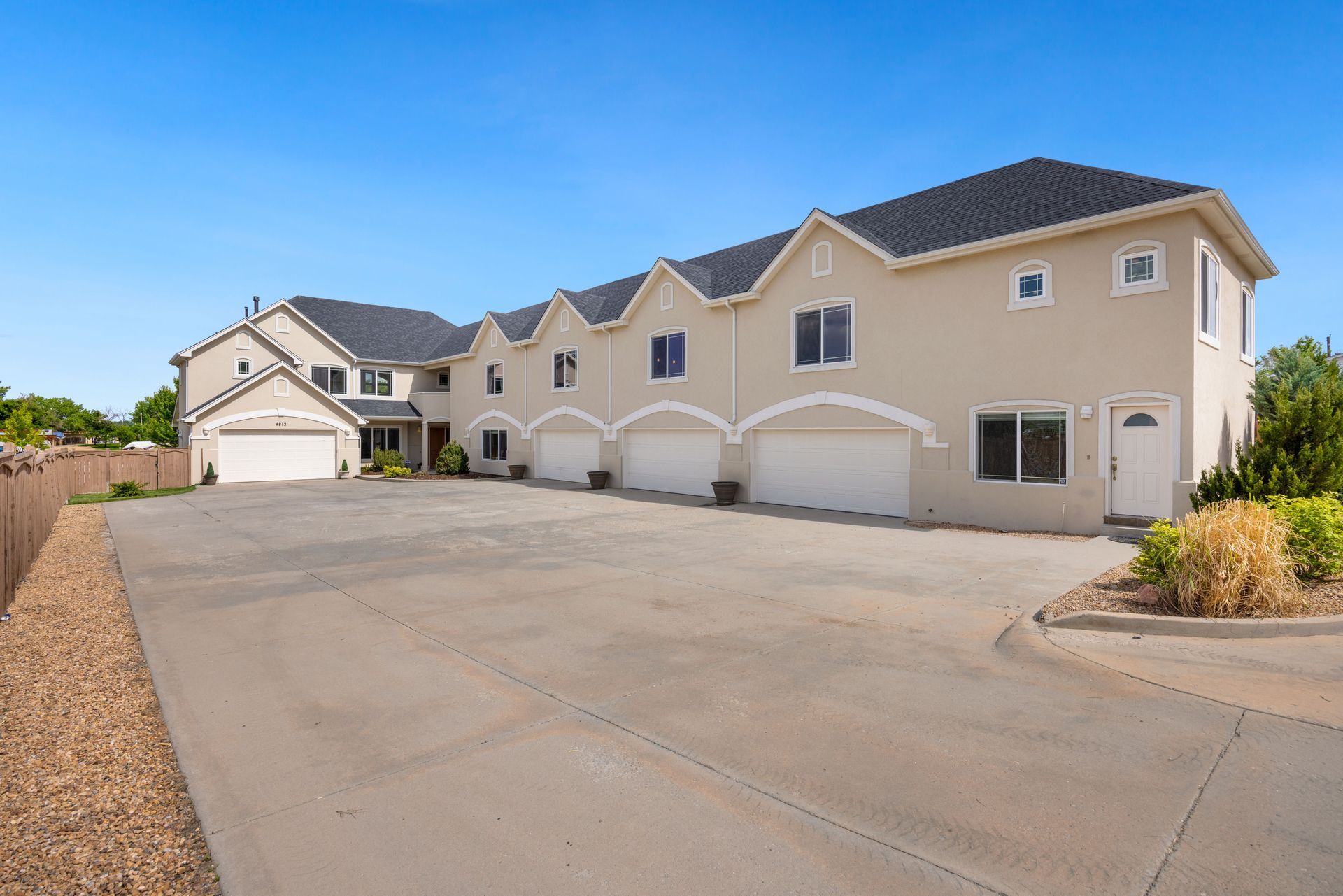
For multi-unit complexes, winter allows you to spread work across multiple units or buildings without competing with every other contractor and renovation project that hits in spring and summer.


It Can Actually Save Money (And Protect Your Budget)

Property managers are always trying to stretch budgets, and painting is one of those line items that can quietly balloon when planning gets delayed.


Winter projects help control costs in ways that are easy to overlook.


Avoid emergency pricing and “rush” situations:

When spring schedules fill up, the jobs that get squeezed in tend to cost more. You may pay for expedited timelines, last-minute labor shifts, or simply have fewer vendor choices. Winter planning reduces the odds of ending up in that position.


Reduce repeated touch-ups:

When repainting is rushed, the quality suffers and maintenance issues return faster. Winter is often a calmer season operationally, which creates better conditions for planning paint scopes correctly and completing them with the right prep.


Make budget decisions while numbers are fresh:

Many property managers work through budgets in winter, and that is the perfect time to align paint schedules with financial planning. Instead of stretching repainting into late-year chaos, you can invest early and stabilize maintenance costs across the year.

Tenants Are Less Disrupted Than You Think (If It’s Done Right)

If you are thinking, “Sure, painting sounds great, but my tenants are home all winter,” you are not wrong. But that is not a reason to avoid winter painting. It is a reason to approach it with a strategy.'


A well-managed interior painting project can actually reduce tenant frustration because it is planned, communicated, and structured with real-life schedules in mind.


Shorter “in-unit interruption” windows:

Winter painting schedules are often more flexible, which means crews can work efficiently and minimize the time tenants have to deal with disruption. You are not competing with summer vacations, move-ins, and maintenance pileups.


Less risk of “repair creep”:

When projects get delayed, tenants often submit repeated requests for the same issues. Scuffed hallways, chipped doorframes, worn trim, and faded accent walls become ongoing complaints. Painting in winter reduces those repeat headaches and helps tenants feel like the property is being cared for.


Cleaner communication and smoother logistics:

In winter, property managers have more breathing room to send notices, coordinate access, and schedule around tenant availability. It becomes a controlled process rather than a frantic race against a spring leasing deadline.


How to Decide What to Paint First (So You Get the Most Value)

Not every property needs a full repaint in winter, and you do not want to paint spaces that will be torn up by maintenance in March. The best approach is to prioritize areas that impact tenant experience and operational efficiency.


Start with:

  • High-visibility common areas (lobbies, hallways, stairwells)
  • Units scheduled for turnover
  • Areas that generate repeated maintenance complaints
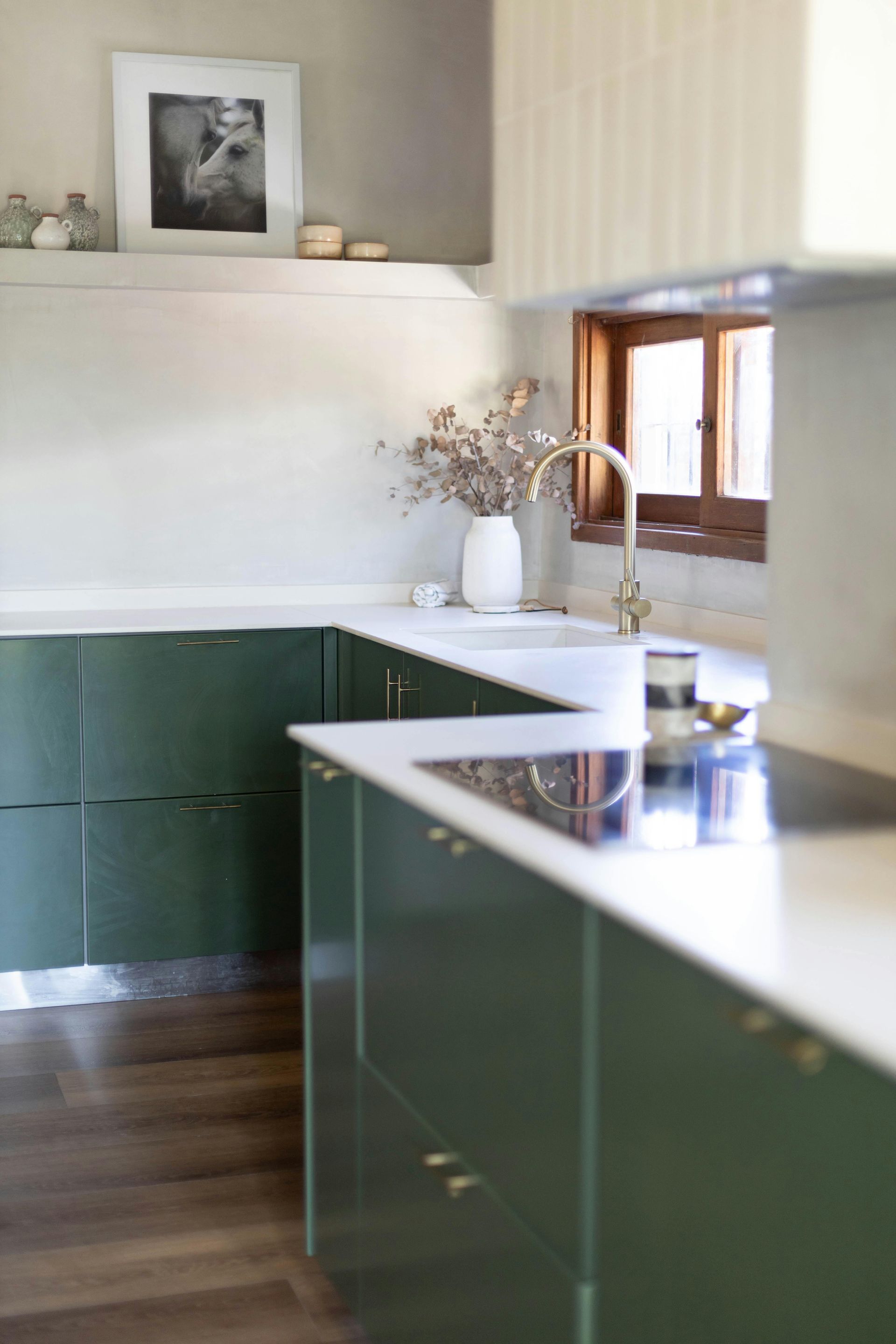
  • Cabinets and trim that make units feel dated (especially in kitchens)


If budget allows, winter is also a great time to update interior colors to align with modern design trends. Tenants respond to spaces that feel updated, and even modest changes can make a unit feel newer without major renovations.


The Takeaway

We understand that you may not relate to all of this at once, but chances are, if you are managing residential properties, there is good reason to schedule your painting projects in the winter. Winter interior painting helps you stay ahead of the spring rush, gives you more flexibility with scheduling, and creates a smoother experience for both your team and your tenants.


Thinking about Making the Call? Try Jondec Painting!

At Jondec Painting, we work with property managers who want their projects handled with clear communication, careful planning, and a process that keeps disruptions low and expectations high. If winter is your planning season, it can also be your advantage season, and we’re here to help you make the most of it! 

Share

Let's Talk Paint!

January 17, 2026
Ready to ditch builder beige? Discover 2026 cabinet color trends, from warm whites to bold blues and greens, plus tips to pick a timeless look.
January 10, 2026
Think January is a bad time to paint? Think again. Discover why winter is ideal for interior painting, better scheduling, and smoother results.
Commercial interior painting
December 31, 2025
Planning interior painting now means better scheduling, less disruption, and a fresh start for your business in the new year.
December 24, 2025
Get an early look at 2026 paint color trends, from warm neutrals and rich earth tones to soft tech hues and dramatic statement colors.
December 17, 2025
Discover why winter is the ideal season for interior painting: faster dry times, flexible scheduling, and a cozy refresh when you need it most.
By Adam Zobel November 28, 2025
Transform your Orland Park kitchen with cabinet painting. Learn the process, benefits, cost, and how to know if your cabinets are paint-ready.
By Adam Zobel November 21, 2025
Choosing a house painter in Orland Park doesn’t have to be a gamble. Learn the red flags to avoid, green flags to trust, and the key questions to ask before hiring.
By Adam Zobel November 14, 2025
Painting your Chicagoland office? Learn how to minimize disruption, avoid common mistakes, and keep your business running during the project.
October 31, 2025
See how we transformed dated oak trim and doors in this Orland Park home with gel stain and fresh paint: a modern makeover without the mess of a full remodel.
October 24, 2025
Discover the top fall 2025 interior paint color trends and tips for Orland Park homes, from cozy neutrals to bold, modern tones that warm up any space.
More Posts