How to Choose a House Painter in Orland Park: Red Flags, Green Flags, and Questions to Ask

Adam Zobel • November 21, 2025

Hiring a house painter in Orland Park shouldn’t feel like a guessing game, but for many homeowners, it does. You’re trying to find someone trustworthy, skilled, reliable, and detail-oriented enough to paint your most important investment: your home. And with so many local options, choosing the right painter can feel a bit like choosing the right paint color: you only think you’re confident until the [proverbial] light hits it differently.


Before you book a painter, sign a contract, or hand over the keys, let’s walk through what really matters.


Why Picking the Right Painter Matters More Than You Think

A great painter doesn’t just apply color, they protect surfaces, prevent future damage, enhance curb appeal, and make your home feel fresh again. A not-so-great painter? They leave behind drips, uneven lines, missed prep, and a “We’re definitely going to have to redo this” feeling you’ll notice every day.


Orland Park homes come in all types: brick colonials, split levels, newer builds, and older homes with decades of personality. Each requires a different approach when it comes to prep, coating systems, and application. Choosing the right painter means choosing someone who understands both your home’s architecture and our local Midwest climate, because those freeze-thaw cycles do not mess around.


What to Look for in an Orland Park House Painter

Choosing a house painter shouldn’t feel like rolling the dice. You want someone who treats your home like a home, not another address on the schedule. 


1. Proven Experience with Residential Projects

Not all painters specialize in homes. Some focus on commercial properties, others do small handyman-style paint jobs, and some operate without the level of precision residential work requires.

A residential painter should show a portfolio with a variety of home styles, exterior finishes, interior spaces, and before-and-after transformations. And if they’ve been painting in the Chicago Southland for years, even better - they’ll know how to deal with wood rot, sun fade, aluminum siding, moisture issues, and unpredictable weather patterns.


2. A Prep-First Mindset

Good painters talk about prep. Great painters won’t stop talking about prep. Here’s what they should be able to explain clearly:

  • How they clean, sand, and prepare exterior surfaces
  • How they handle peeling paint, rough edges, or wood repairs
  • What primer they use and why
  • How they protect landscaping, furniture, and flooring
  • What interior masking and containment will look like


Prep is what separates a job that lasts 10 years from a job that lasts 10 months.

If a painter brushes off prep with “We’ll just get started and see what it needs,” that’s a red flag worth noting.


3. Clear and Detailed Estimates

A trustworthy painter gives you an estimate that reads like a roadmap, not a mystery novel. It should spell out the full scope of work, the prep steps involved, the number of coats, the type and brand of paint being used, the expected timeline, the total cost, and what kind of warranty backs the job. All of this helps you understand exactly what you’re paying for and how the project will be executed.


If the estimate is vague or fits into a single line like “Exterior painting – $X,” that’s your cue to keep looking. Detailed, transparent estimates show professionalism, protect you from future surprises, and demonstrate that the painter has a clear plan for your home, not a guess.

Common Mistakes Homeowners Make When Hiring a Painter

Even smart homeowners make these mistakes, but they’re completely avoidable.


Mistake #1: Choosing the Lowest Bid

It’s tempting, but the lowest bid often means fewer hours, cheaper materials, rushed prep, or inexperienced labor. You might save money up front, but you’ll spend it (plus more) fixing peeling paint, cracks, or uneven finish later.


Mistake #2: Not Asking Who Will Be on the Crew

Some companies use subcontractors, some use rotating crews, and some keep consistent, trained teams. You want to know who’s actually doing the work, and whether they’re background-checked, insured, and trained to the company’s standards.


Mistake #3: Ignoring the Warranty

A good painter stands behind the work. A vague “We’ll make it right if something happens” is not a warranty, that’s a promise without paperwork. Look for clear terms and a written guarantee.


Questions to Ask Before You Hire a Local House Painter

These questions help separate the pros from the painters-who-just-kind-of-paint.


  • How long have you painted homes in the Orland Park area?
  • Who will be on my crew? Are they employees or subcontractors?
  • What surfaces will you repair or patch?
  • What prep steps are included in this estimate?
  • What brands of paint do you use and why?
  • How do you protect my home and property during work?
  • What does your warranty cover?
  • Can I see photos or references from similar projects?

If the painter struggles to answer clearly or gives vague responses that’s a red flag.


How to Spot Green Flags in a Painter

Let’s highlight the signs you do want:

  • They show up on time for the estimate.
  • They ask detailed questions about your goals, surfaces, and colors.
  • Their estimate explains exactly what will be done.
  • They point out potential issues before they become expensive surprises.
  • Their communication is consistent and professional.

Green flags aren’t flashy, they’re the signs of a team that takes your home seriously.


Final Takeaway: The Right Painter Makes All the Difference

Choosing a painter in Orland Park doesn’t have to be stressful…when you know what to look for. 


Do your research, trust your instincts, ask the right questions, and look for the green flags. With the right painter, your home will look better, last longer, and stand out on the block, in the best possible way.

Share

Let's Talk Paint!

June 21, 2026
Planning a summer painting project for your school, church, or facility? Learn how to prioritize projects, maximize short break windows, and set realistic expectations for a successful summer refresh.

June 14, 2026
Thinking about painting your kitchen cabinets? Learn what cabinet painting typically costs, how long the process takes, and when painting makes more sense than replacing your cabinets.
June 7, 2026
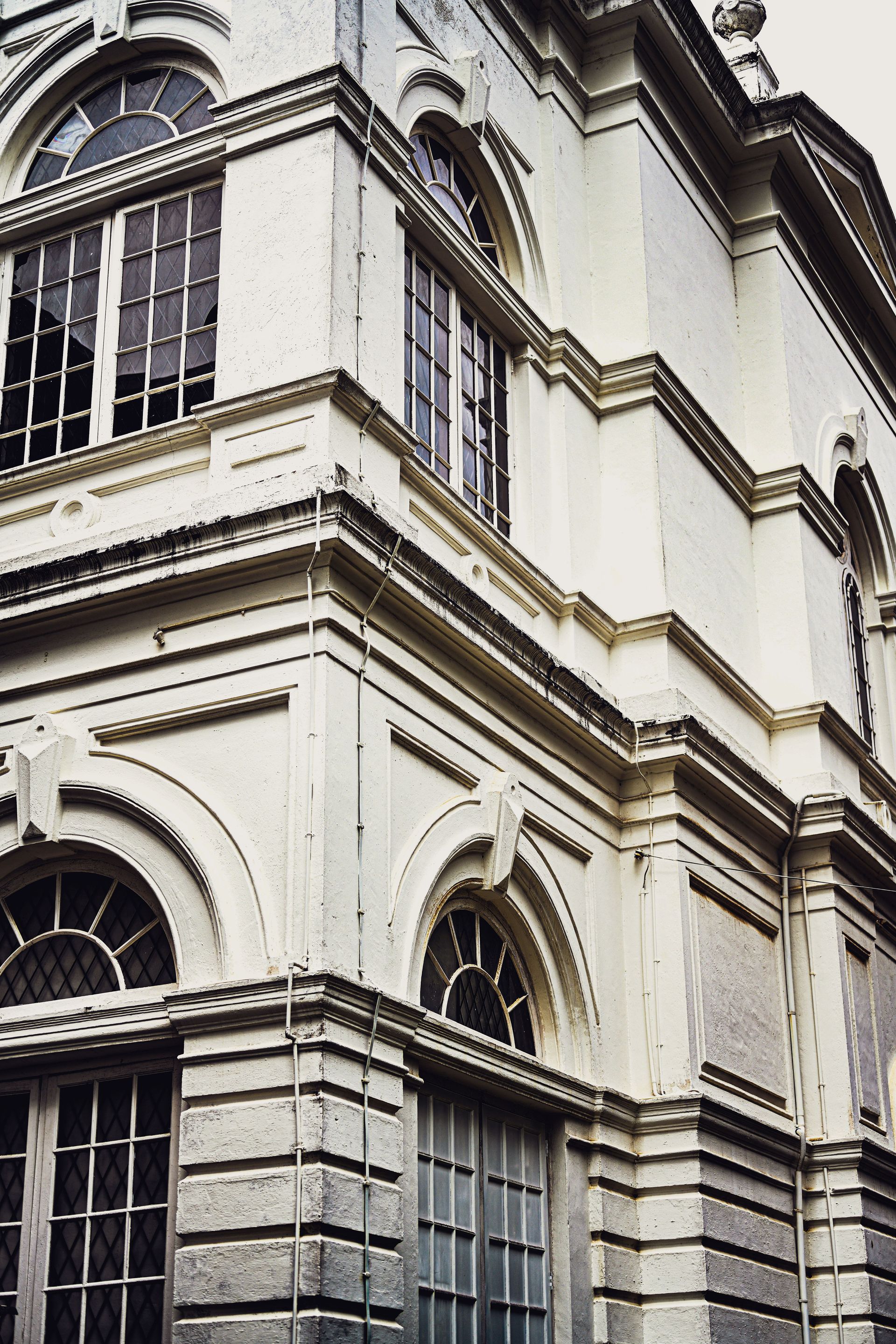
Not sure whether to paint this year or wait until next year? Learn how to evaluate your home's condition, budget, future plans, and the true cost of delaying a painting project.

May 30, 2026
Planning an HOA painting project? Learn how boards and property managers can budget realistically, phase projects strategically, and improve the approval process for large exterior maintenance projects.
May 20, 2026
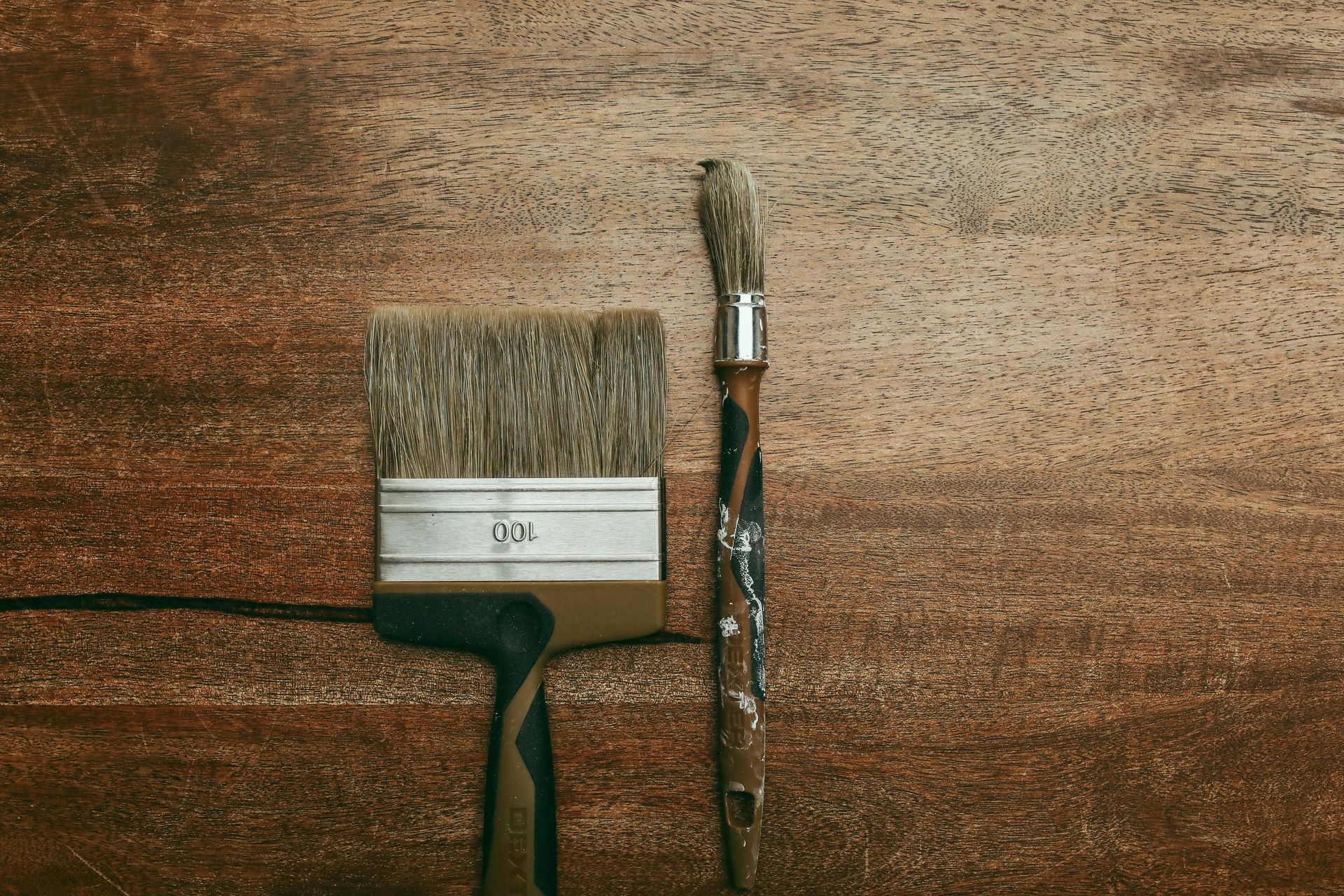
Is deck staining actually worth the cost and maintenance? Learn how long deck stain lasts, what happens if you skip it, and when a deck may be too far gone to stain.
May 4, 2026
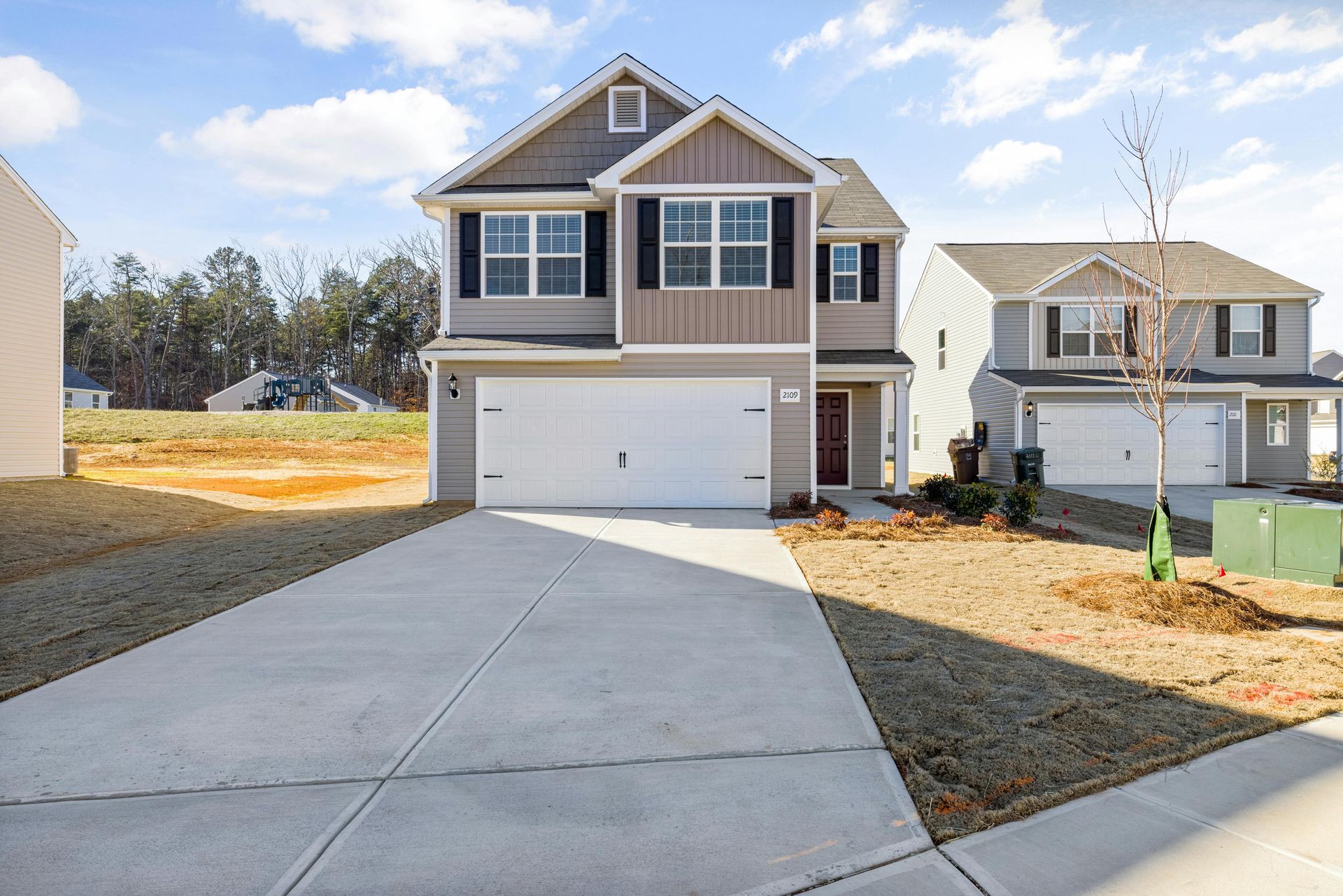
Wondering how long exterior paint actually lasts? Learn what affects paint longevity, from siding type and sun exposure to prep work and weather conditions.
April 24, 2026
Property managers in Chicago and NW Indiana: learn how to prioritize painting projects, protect your property, and avoid overspending this season.
April 17, 2026
Thinking about exterior painting? Find out which projects deliver the best ROI and where your investment will make the biggest difference.
April 10, 2026
Wondering if your home actually needs exterior painting? Learn the real signs to look for—and how to tell if you can wait or should act sooner.
March 31, 2026
Spring exterior work fills quickly. This HOA planning guide explains what boards should inspect, schedule, and approve now for smooth spring projects.
More Posts