
Office Painting in Chicagoland: Minimizing Disruption for Local Businesses
Last Updated: November 14, 2025
Painting an
office space in Chicagoland
sounds simple enough… until you actually try to get it done. Suddenly you’re juggling employees, clients, scheduling, odors, ladders, conference room reservations, and the one person in the office who
will
comment loudly on the smell of paint all day long.
A fresh coat of paint can completely transform your workplace, boosting morale, modernizing the space, and helping your business make a strong impression. But only if the process goes smoothly. The last thing you need is a project that disrupts operations, derails productivity, or turns your lobby into an obstacle course.
Here’s how smart Chicagoland businesses keep things running without missing a beat.
A great commercial painter keeps your business functional, safe, and presentable throughout the entire project.
A fresh coat of paint can completely transform your workplace, boosting morale, modernizing the space, and helping your business make a strong impression. But only if the process goes smoothly. The last thing you need is a project that disrupts operations, derails productivity, or turns your lobby into an obstacle course.
Here’s how smart Chicagoland businesses keep things running without missing a beat.
Why Office Painting Requires a Different Approach
Office painting isn’t like painting a bedroom or even a single-family home. Businesses have foot traffic, schedules, equipment, sensitive materials, tight deadlines, and often zero flexibility to “pause operations for a week.” Chicagoland offices, especially those around Orland Park, Oak Lawn, Tinley Park, and the downtown commuter corridor, depend on a painter who understands that.A great commercial painter keeps your business functional, safe, and presentable throughout the entire project.
Planning Matters: The First Step to a Smooth Project
Any painter can put color on a wall. But minimizing disruption requires strategy: planning, staging, communication, and flexibility. Here’s what businesses should expect before work even begins.After-Hours or Weekend Scheduling
Many offices opt for painting outside traditional hours. Evenings, early mornings, and weekends help keep the workflow intact. Your painter should bring scheduling options that make sense, not just say, “We can come at 10 a.m. and see how it goes.”Phased Painting
Larger offices benefit from a phased approach. Break areas one day, private offices the next, hallways on a Saturday, and conference rooms between meetings. A professional painter knows how to divide your space so operations never pause.Walkthroughs and Prep Plans
Before the first drip of paint hits a wall, your painter should walk the space with you to identify delicate areas, temporarily relocated items, access points, and any safety concerns. Skipping this step is the fast track to chaos.
Keeping Your Office Functional During the Project
Even with perfect planning, the work has to happen. Here’s how good painters protect your space and your productivity.Dust and Odor Control
Modern low-VOC paints greatly reduce odors, but a quality contractor will also ventilate, isolate work areas, and use dust-containment barriers when needed. No one wants to inhale filler dust over their morning coffee.Protecting Furniture and Technology
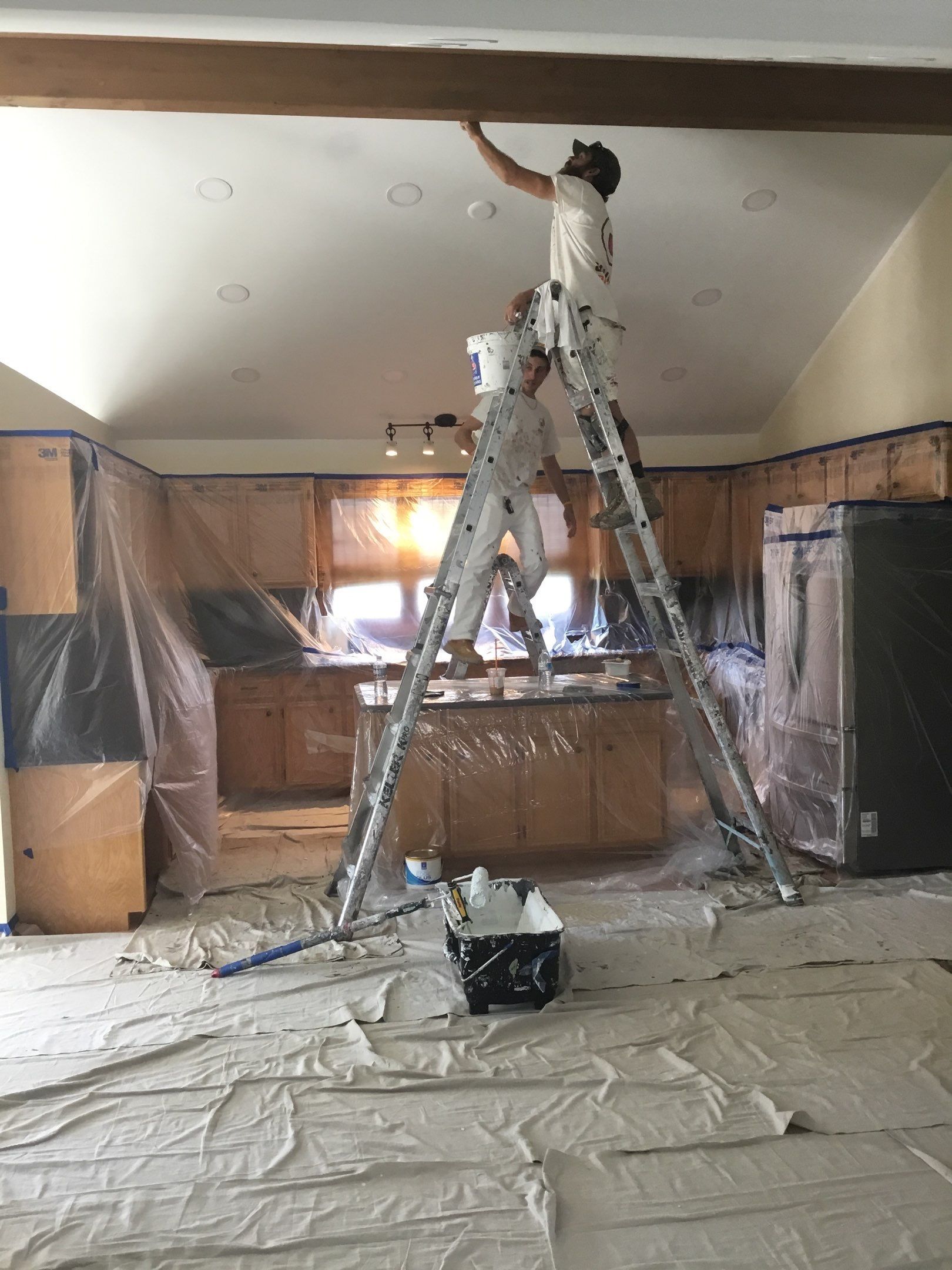
Computers, printers, servers, cables, ergonomic chairs… Office equipment isn’t cheap. Your painter should carefully cover and protect everything: floors, desks, cubicles, fixtures, and equipment. If a painter says, “You can just throw a tarp over it,” that’s not the right painter.Working Around Meetings and Clients
Painters should coordinate around your busiest hours and avoid interrupting key moments. That means no sanding during presentations, no loud tools near client areas, and no blocking pathways employees rely on.Common Mistakes Businesses Make (and How to Avoid Them)
Even the most organized Chicagoland businesses can overlook a few key details when planning an office painting project. It’s not intentional; it’s just easy to assume all painters operate the same way or that a simple coat of paint won’t cause complications.But these small oversights often lead to delays, unexpected costs, or disruptions you absolutely didn’t plan for. Before you commit to a contractor, here are the pitfalls worth steering clear of.