The Property Manager’s Guide to Zero-Disruption Office Painting

February 26, 2026

No property manager wakes up excited to schedule office painting. Between tenant schedules, productivity concerns, complaints about noise or smell, and the pressure to “make it happen without anyone noticing,” painting an occupied office can feel like a logistical headache. And in active office buildings, disruption isn’t just inconvenient — it can affect tenant satisfaction and daily operations.


This guide breaks down what zero-disruption office painting really looks like and how it’s achieved.


What Zero-Disruption Office Painting Really Is (And What It’s Not)

Let's start with what zero-disruption office painting does not mean. It doesn't mean rushing the job or cutting corners. It does mean planning the work around how the building actually functions. That includes understanding tenant routines, traffic patterns, and which areas can be painted without interrupting the workday.


When done correctly, painting becomes part of the background rather than a daily disruption. Offices continue to operate, meetings stay on schedule, and tenants experience the upgrade without feeling like their space has turned into a construction zone.


Why Office Painting Disruptions Usually Happen

Most disruptions don’t come from the painting itself. They come from avoidable planning gaps.


Common causes include:

  • Treating the entire office as one large project instead of working in phases
  • Scheduling work without accounting for peak traffic times
  • Poor communication with tenants about timing and expectations
  • Using materials not designed for occupied environments


When these issues stack up, even a simple repaint can feel chaotic. With the right approach, they’re largely avoidable.


How Smart Scheduling Keeps Offices Running

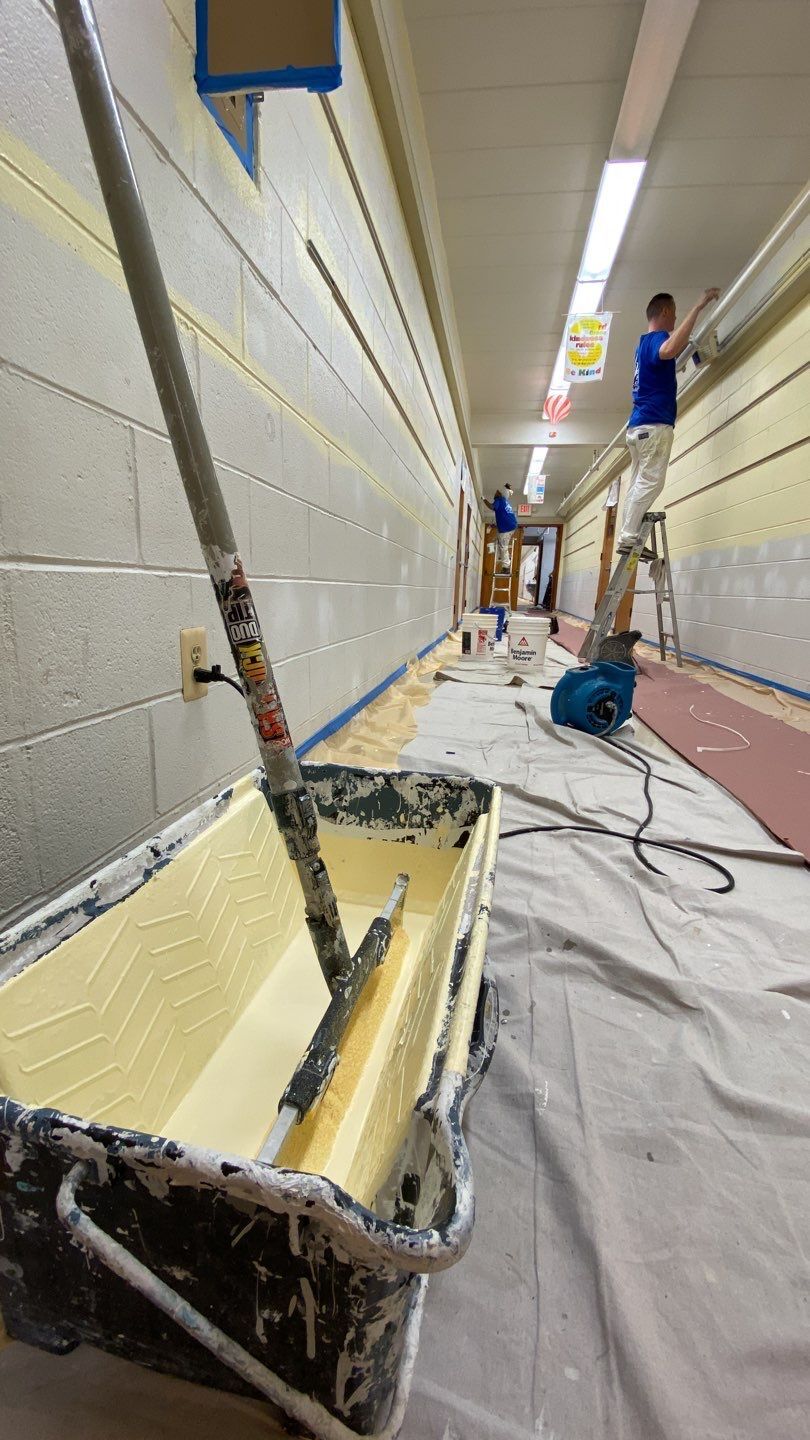
Scheduling is the backbone of zero-disruption painting. Instead of shutting down large areas all at once, professional crews break the work into manageable phases. Common areas and hallways can often be painted during business hours, while offices and conference rooms are handled during off-hours or low-use windows.


This phased approach keeps access open, limits interruptions, and allows property managers to maintain normal building operations throughout the project.


The Importance of Low-Odor, Commercial-Grade Paints

Paint smell is one of the most common tenant concerns — and one of the easiest to address. Modern commercial-grade, low-VOC paints are designed specifically for occupied environments. They dry faster, produce fewer odors, and allow spaces to be used sooner. When paired with proper ventilation and smart scheduling, painting can happen with little to no impact on comfort or indoor air quality.


Why Clean Work Zones Matter as Much as the Finish

In office environments, cleanliness isn’t a bonus. It’s expected. Zero-disruption painting relies heavily on how well work areas are managed throughout the project.


That includes:

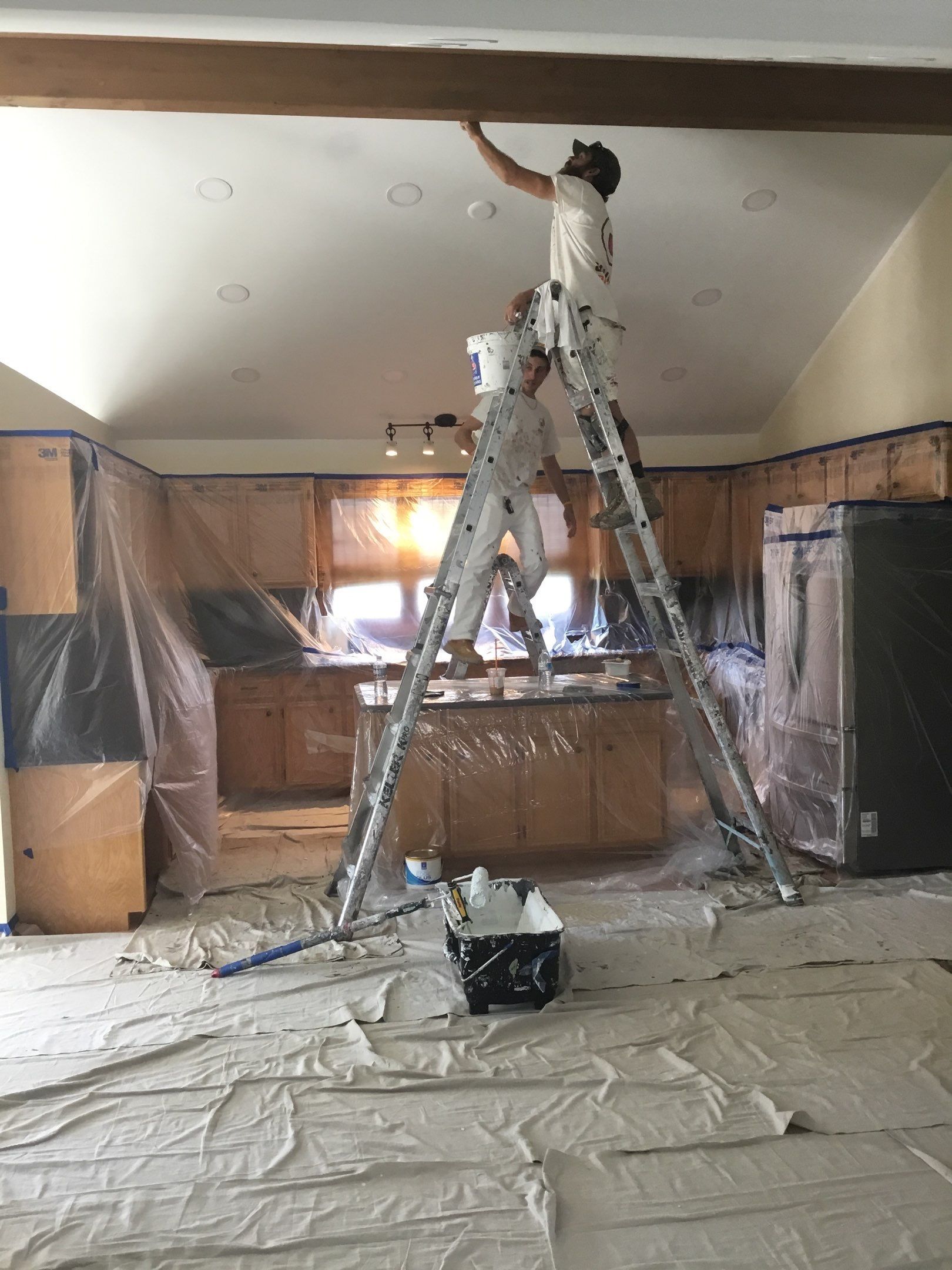
  • Protecting floors, furniture, and equipment every day
  • Keeping tools and materials contained and organized
  • Breaking down and cleaning up daily so spaces feel work-ready each morning


A clean job site builds trust with tenants and prevents painting from feeling intrusive, even when work is happening nearby.


Communication Is What Prevents Complaints

Even the best plan can fall apart without clear communication. Property managers see the smoothest projects when tenants are informed ahead of time and kept in the loop as work progresses.


Advance notices, clear schedules, and quick updates if plans shift help set expectations and prevent frustration. When people know what’s happening, painting feels managed — not disruptive.


Why Experience With Occupied Offices Matters

Not every painter is equipped to work in active office environments. Experience makes a difference when crews need to work quietly, move efficiently, and adapt to changing conditions without drawing attention.


Painters who regularly work in occupied buildings understand how to respect professional spaces, coordinate with property managers, and keep projects moving without constant oversight.


Why Planning Ahead Makes Everything Easier

The most successful zero-disruption office painting projects almost always start early. Planning ahead gives property managers more control and flexibility throughout the process.


Early planning allows time to:

  • Coordinate schedules with tenants
  • Select the right materials for occupied spaces
  • Phase work strategically instead of reacting on the fly


Instead of solving problems mid-project, proactive planning keeps everything predictable from start to finish.


The Takeaway?

Zero-disruption office painting isn’t about doing less work — it’s about doing it smarter. With thoughtful scheduling, the right materials, clear communication, and an experienced crew, offices can be refreshed without slowing business down.


For property managers, that means happier tenants, fewer complaints, and a project that feels organized and professional every step of the way!


Why Property Managers Choose Jondec for Office Painting

Jondec works with property managers who need office painting handled efficiently, professionally, and with minimal disruption to daily operations. Our team specializes in occupied commercial spaces, which means every project is planned around tenant schedules, building access, and clear communication.


We approach office painting with a structured process that prioritizes organization, cleanliness, and predictability. From phased scheduling to daily site cleanup, our crews are trained to work quietly and respectfully in professional environments. Materials are also selected with occupied buildings in mind, and projects are managed to reduce downtime and avoid unnecessary interruptions.


Give us a call if you need help with your property! 

Share

Let's Talk Paint!

February 12, 2026
Planning an exterior paint project this spring? Learn why booking now for April–May exterior painting helps you beat the spring rush and get better results.
February 5, 2026
Looking for a Valentine’s Day home refresh that lasts? Discover five rooms that instantly feel better after a fresh coat of paint.
January 24, 2026
Discover why winter interior painting helps property managers save time, control budgets, and reduce tenant headaches before the busy spring season.
January 17, 2026
Ready to ditch builder beige? Discover 2026 cabinet color trends, from warm whites to bold blues and greens, plus tips to pick a timeless look.
January 10, 2026
Think January is a bad time to paint? Think again. Discover why winter is ideal for interior painting, better scheduling, and smoother results.
Commercial interior painting
December 31, 2025
Planning interior painting now means better scheduling, less disruption, and a fresh start for your business in the new year.
December 24, 2025
Get an early look at 2026 paint color trends, from warm neutrals and rich earth tones to soft tech hues and dramatic statement colors.
December 17, 2025
Discover why winter is the ideal season for interior painting: faster dry times, flexible scheduling, and a cozy refresh when you need it most.
By Adam Zobel November 28, 2025
Transform your Orland Park kitchen with cabinet painting. Learn the process, benefits, cost, and how to know if your cabinets are paint-ready.
By Adam Zobel November 21, 2025
Choosing a house painter in Orland Park doesn’t have to be a gamble. Learn the red flags to avoid, green flags to trust, and the key questions to ask before hiring.
More Posts