HOA & Condo Association Spring Planning: What to Schedule NOW
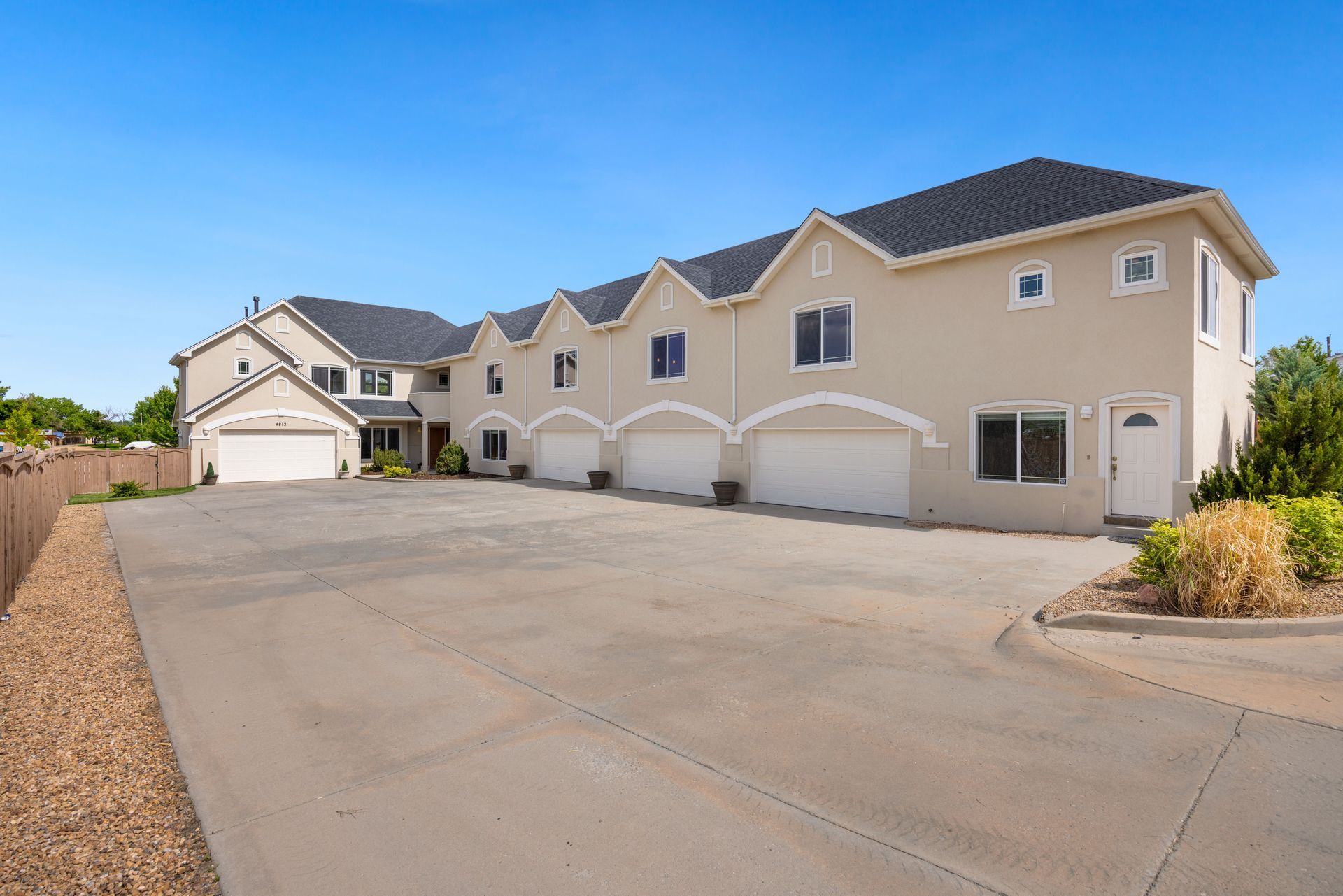
Spring tends to arrive quickly for HOA boards and condo associations. One moment winter maintenance is still top of mind, and the next residents are asking when exterior projects will begin. The challenge is that the best time to schedule spring work is often weeks before the weather actually improves. Contractors’ calendars begin filling early, approvals take time, and multi-building communities require coordination that single-family homes simply do not. If an association wants exterior work completed in April or May, planning typically needs to begin now—while there is still time to walk the property, define the scope, and secure a place on the calendar.
Let's talk about it.
Why Early Planning Matters for Associations
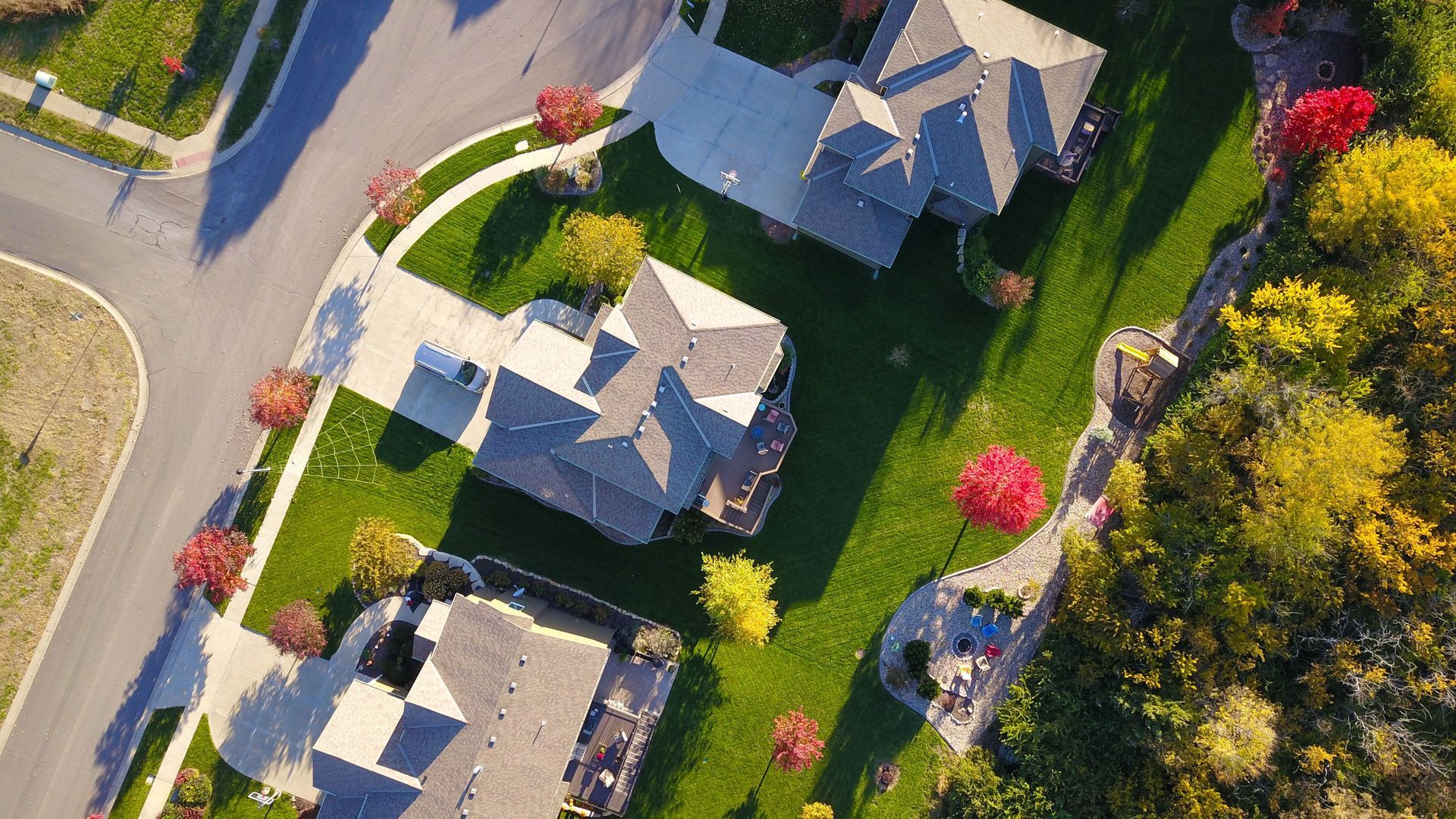
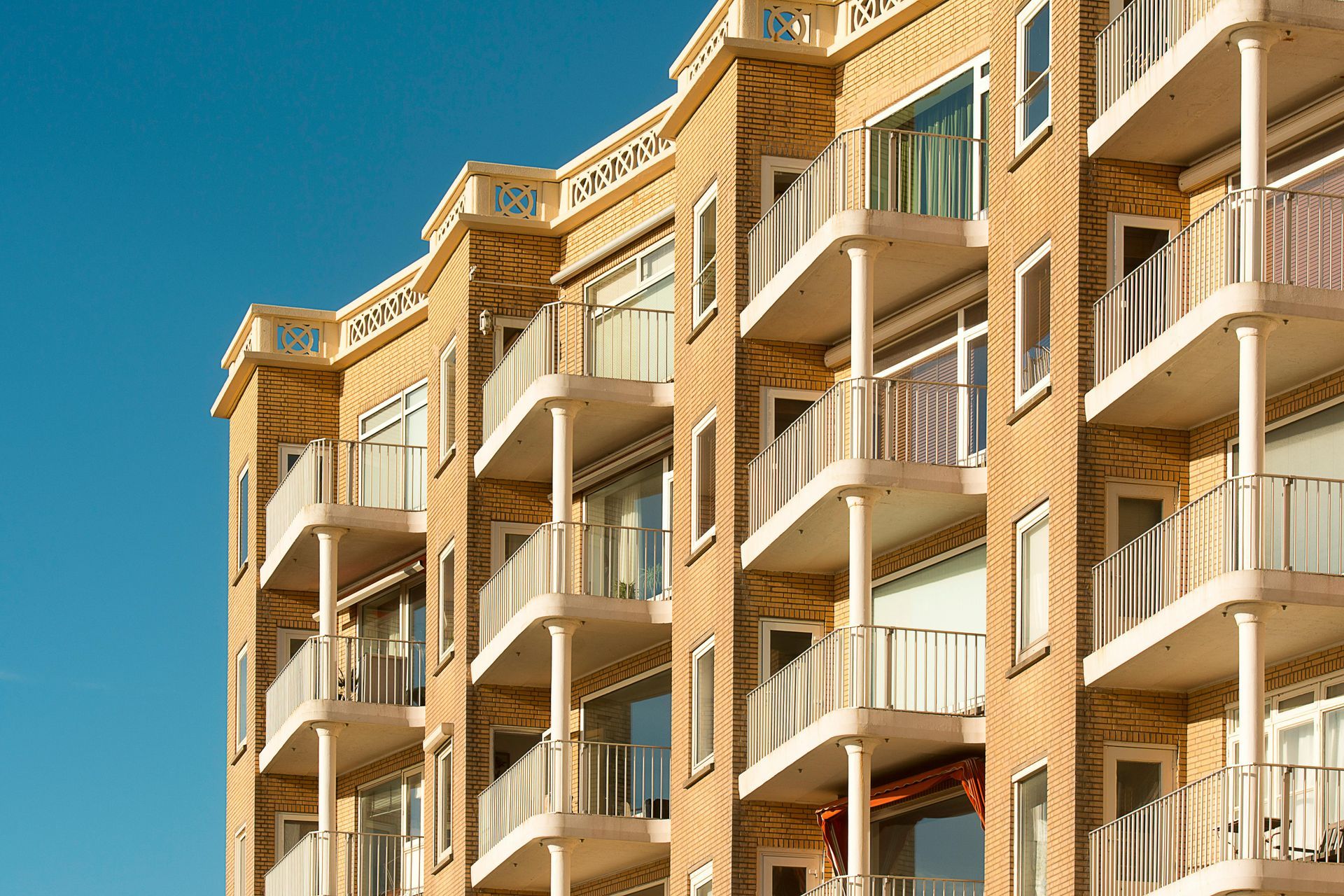
Exterior painting and maintenance projects often involve more coordination in an HOA environment than many boards initially expect. Scheduling isn’t just about hiring a contractor. Access logistics, resident communication, parking coordination, equipment placement, and weather windows all influence how smoothly a project moves forward. Planning early helps associations organize these details before the busy spring season begins.
Project Logistics and Coordination:
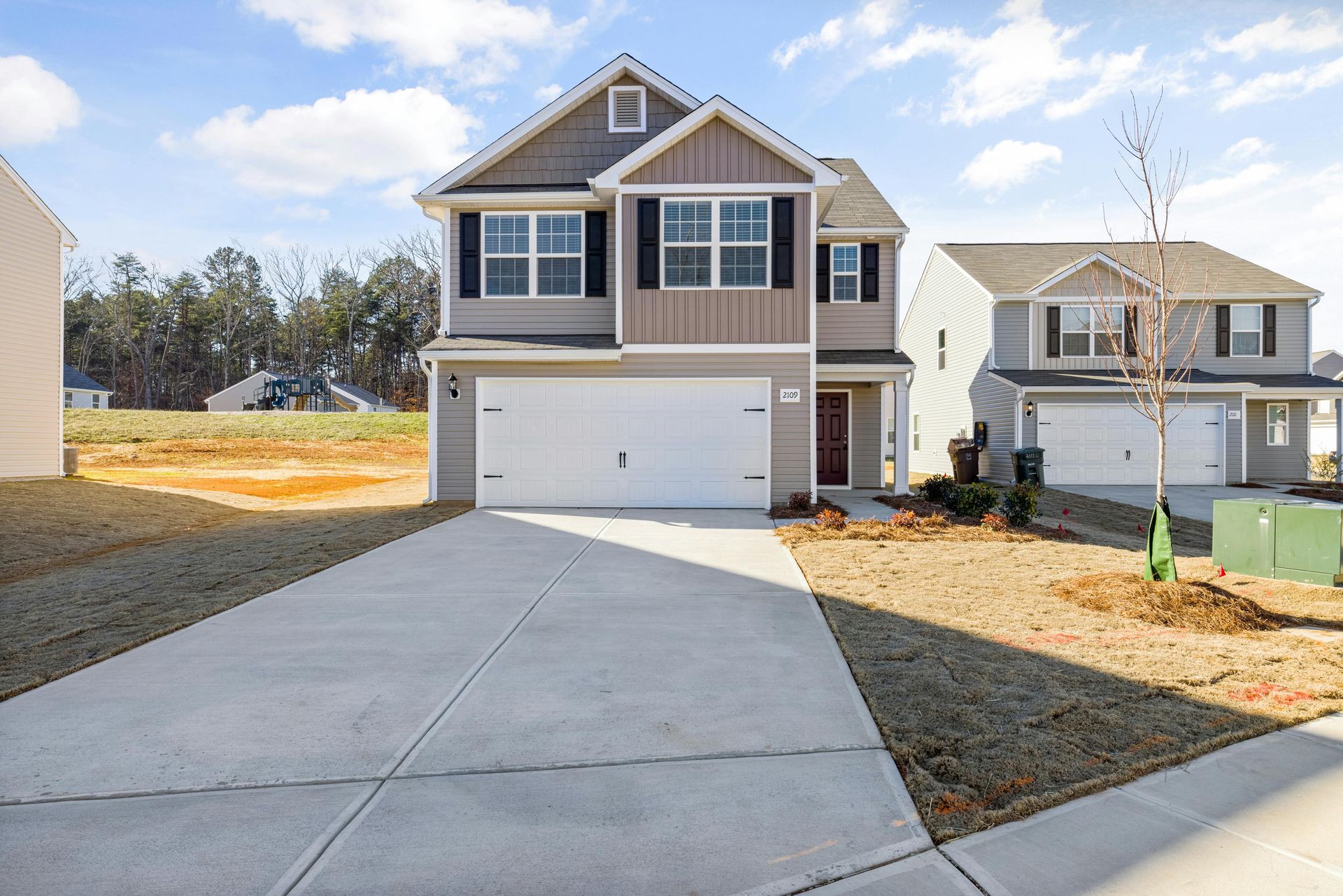
For larger condo communities or multi-building associations, even simple exterior painting projects require careful sequencing. Work may need to move building by building while coordinating with property managers, maintenance staff, and residents to minimize disruptions.
Contractor Availability:
Spring is one of the busiest seasons for exterior work. Associations that wait too long often discover contractor schedules are already full. Starting the planning process early improves the chances of securing a reliable contractor and preferred timeline.
Better Bid Comparisons:
Early planning also gives boards more time to gather proposals, compare scopes of work, and review pricing carefully. Without the pressure of a tight schedule, boards can make more informed decisions before the project begins.
What Boards Should Inspect Before Requesting Bids
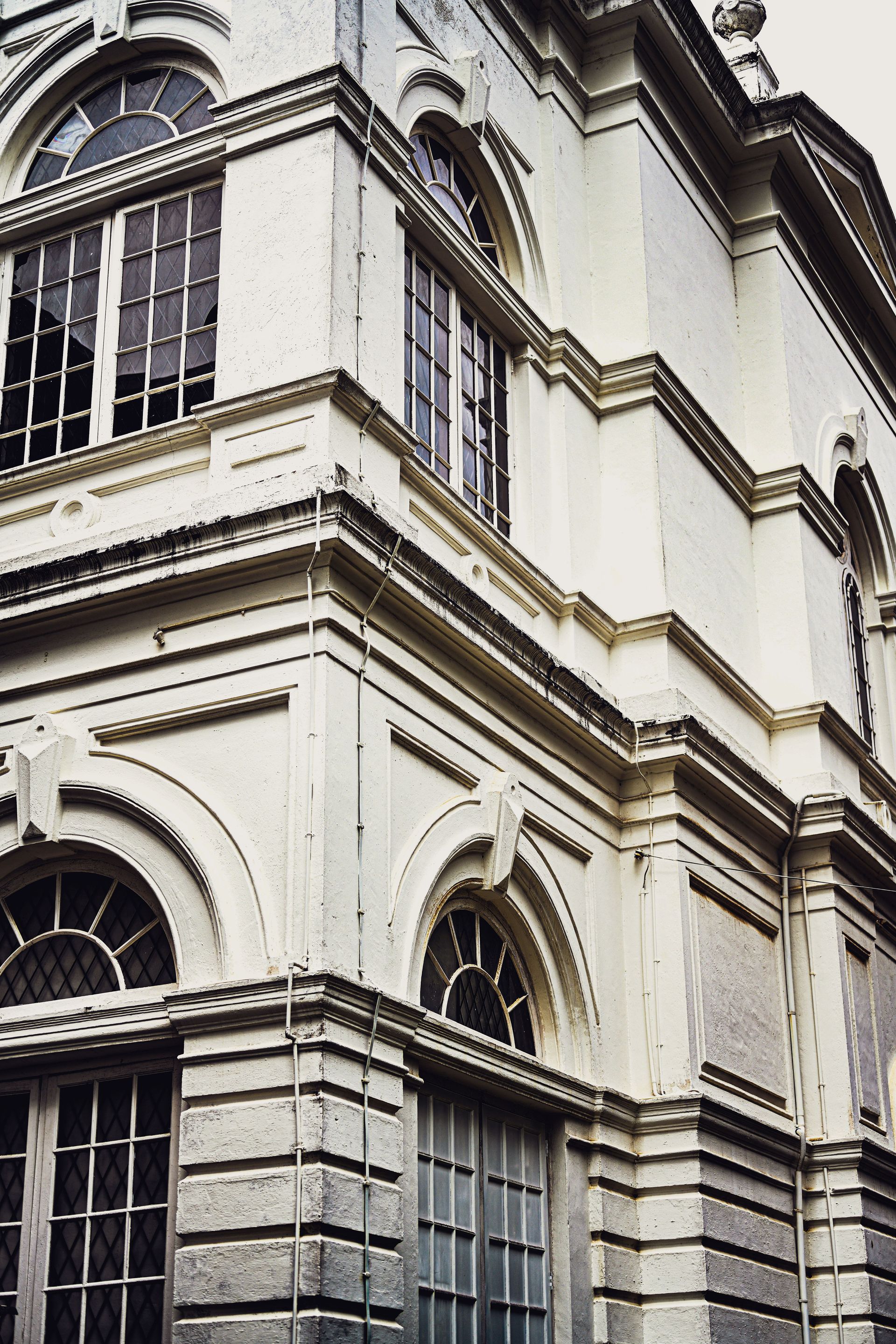
Before requesting proposals from contractors, it helps to walk the property and document what is actually happening on the building exteriors. Why? Because accurate bids depend on clear scopes of work.
Boards or property managers should focus on the areas where paint and exterior materials typically deteriorate first. These include:
- Sun-exposed walls
- Fascia and soffits
- Balcony railings
- Trim joints
- Stairwell areas
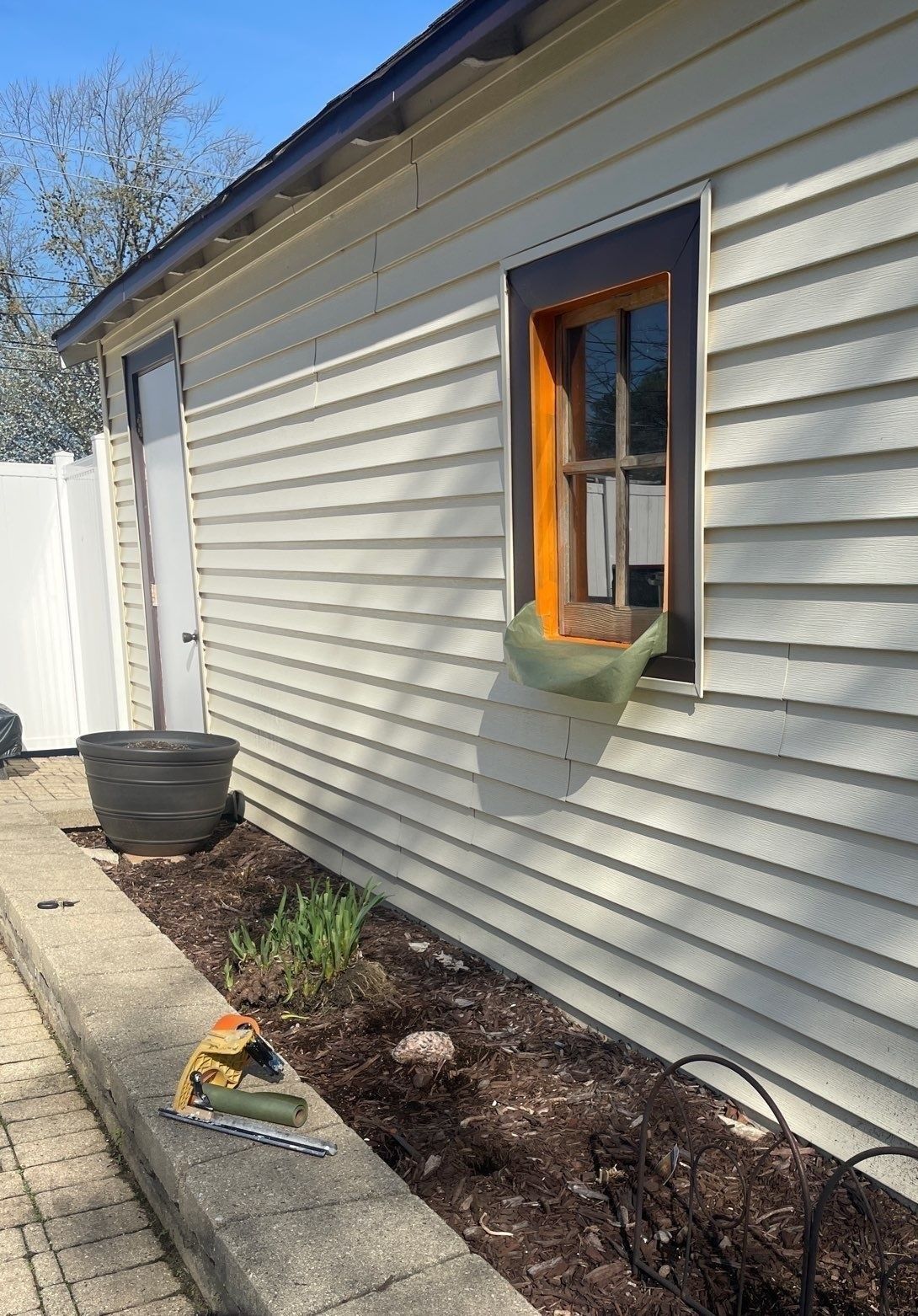
All the places that experience heavy foot traffic or moisture exposure. Small issues such as cracked caulking, peeling at trim seams, and exposed wood edges are often early warning signs that exterior coatings are beginning to fail.
Also keep in mind that an important detail many associations overlook is the role of surface preparation. Industry research shows that as much as 80% of coating failures can be traced back to inadequate surface preparation, not the paint itself. Proper cleaning, scraping, sanding, and priming are critical for long-term performance. This is why scopes of work should clearly outline preparation requirements rather than simply stating that the building will be “repainted.”

Spring Projects That Should Be Scheduled Now
For HOA boards preparing for the spring season, several planning steps can help ensure projects move forward smoothly:
- Conduct a property walkthrough to identify peeling paint, damaged trim, failing caulking, or areas exposed to heavy weathering.
- Develop a clear project scope so contractors are bidding on the same work and estimates remain comparable.
- Schedule contractor walkthroughs early to allow time for accurate proposals and scheduling discussions.
- Coordinate pressure washing or surface cleaning well before painting begins so surfaces have time to dry properly.
- Plan for carpentry or minor repairs such as wood replacement, loose trim, or deteriorated railings before coatings are applied.
- Confirm caulking and sealing details around windows, doors, and siding joints where moisture intrusion often occurs.
- Establish resident communication plans including project timelines, parking adjustments, and balcony or access restrictions.
- Reserve equipment access areas such as lift staging zones or temporary parking closures.
Taking these steps early prevents projects from becoming rushed once the weather improves.
Align Spring Maintenance With Long-Term Planning
Spring planning is also a good time for HOA boards to review reserve funding. Exterior repainting, siding maintenance, and trim replacement are typically included in a community’s reserve study, which industry guidance recommends updating regularly—often every three years depending on property complexity. Keeping reserve plans current helps associations anticipate major projects and avoid unexpected special assessments while prioritizing maintenance that protects building materials and long-term property value.
The Bottom Line for HOA Spring Planning
For HOA and condo boards, successful spring projects rarely begin in spring. They begin with early inspections, clear scopes of work, and proactive scheduling before the busy season begins. Associations that plan ahead gain more flexibility with contractors, reduce the risk of delays, and create a smoother experience for both residents and management teams. Exterior maintenance may seem straightforward on the surface, but thoughtful planning is what ensures projects stay on schedule and deliver long-term results.
Thinking About Making the Call? Try Jondec Painting!
At Jondec Painting, we work with HOA boards and property managers to plan exterior painting projects with clear scopes, organized scheduling, and communication that keeps residents informed. If your association is preparing for spring exterior work, early planning can make the entire process far more predictable—from the first walkthrough to the final coat of paint!