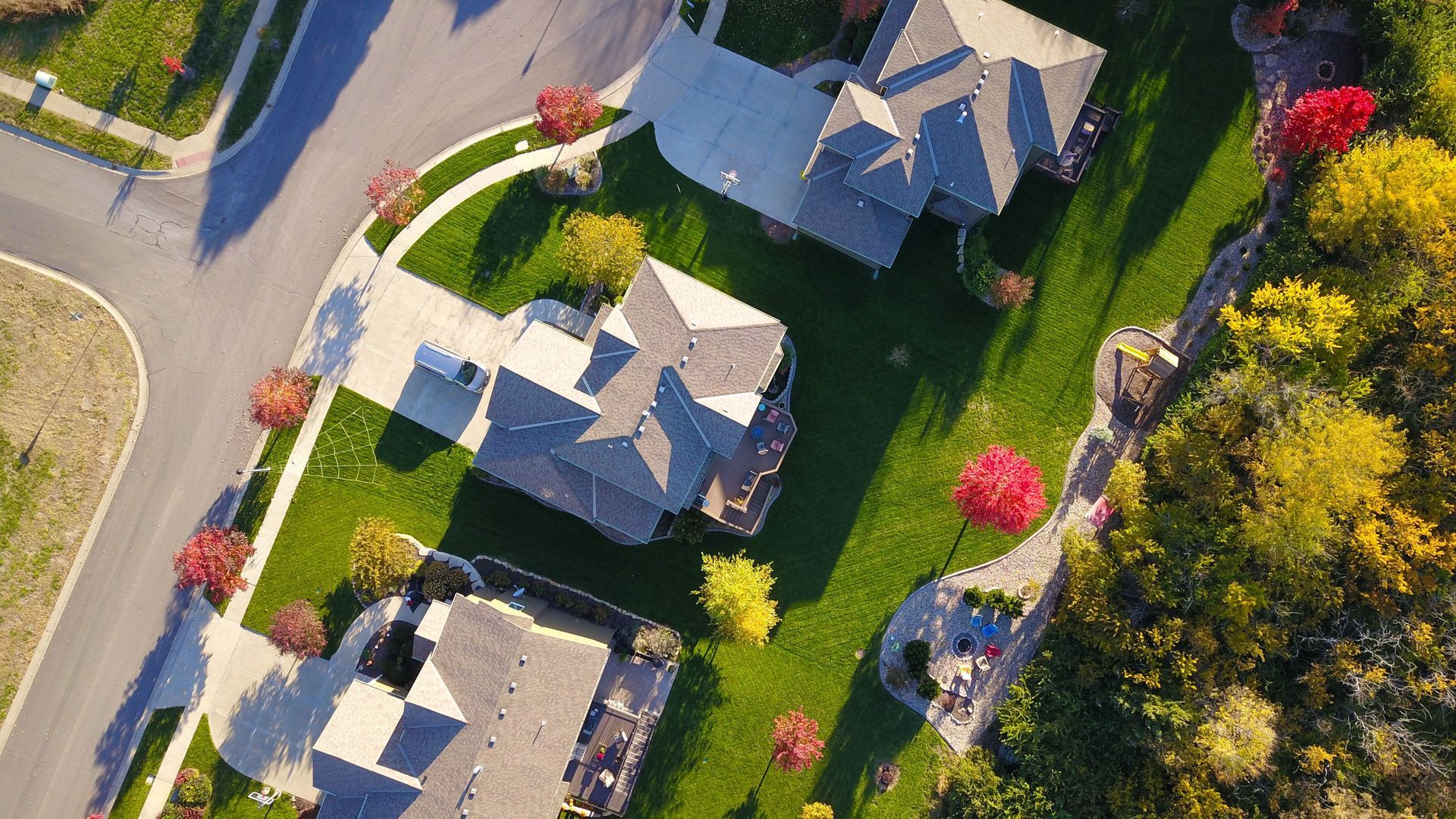
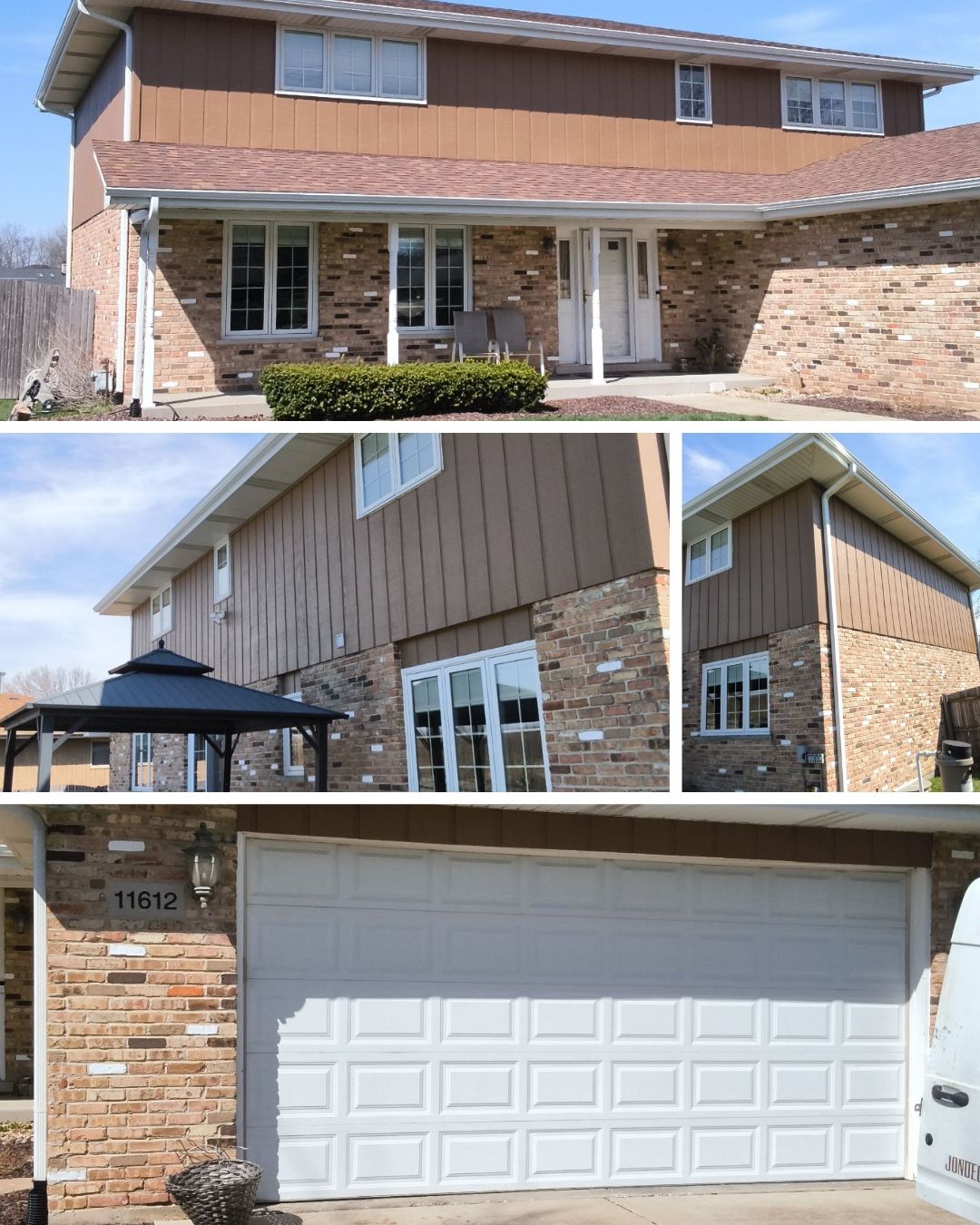
HOA Painting Projects: How to Budget, Phase, and Get Board Approval
HOA painting projects have a way of sounding simple at first. “The buildings need painting” feels straightforward enough… until the conversations actually start. Suddenly there are reserve studies, budget meetings, vendor proposals, resident concerns, board votes, color discussions that somehow become surprisingly emotional, and at least one conversation about whether the project can “maybe wait another year.” And to be fair, large-scale HOA painting projects are a big decision. The good news is, the process usually becomes much more manageable when boards and property managers approach it strategically instead of reactively.
So if your HOA is starting to think about an exterior painting project, here’s what typically helps projects move from “we should probably deal with this eventually” to an actual approved and organized plan.
Understand That Painting Is Maintenance, Not Just Appearance
One of the biggest mistakes HOA communities make is viewing painting projects as purely cosmetic. Yes, fresh paint absolutely improves curb appeal and property value perception. But on most multifamily properties, exterior coatings are also part of the building’s protection system. Paint helps shield surfaces from moisture intrusion, UV damage, expansion and contraction, and long-term weather exposure.
That matters because deferred painting projects often become much more expensive later. Once peeling coatings, failed caulking, exposed substrates, or moisture damage begin spreading, boards may no longer be discussing a painting project alone. They may also be discussing repairs, carpentry replacement, or substrate restoration costs that could have been minimized with earlier maintenance. In other words, exterior painting usually costs less when it’s treated like planned maintenance instead of emergency response.
Start With Realistic Project Scoping
One reason HOA painting projects sometimes stall during board review is because the scope feels unclear or overwhelming. A proposal that simply says “paint the property” without defining priorities, repairs, timelines, or existing conditions can create hesitation quickly.
That’s why realistic scoping matters early in the process. Before budgeting discussions begin, boards and property managers typically benefit from understanding:
- What areas actually need attention now
- Which surfaces are aging faster than others
- Whether repairs are needed before painting
- How much prep work will realistically be required
- And whether the project can reasonably be phased over time
Because not every property needs a full-property repaint immediately. In many communities, certain elevations, trim packages, or high-exposure surfaces may deteriorate faster than others due to sun exposure, weather patterns, or age. And honestly, phased planning often makes board approval conversations significantly easier.
Phasing Projects Can Make Large Budgets More Manageable
For many HOAs, the challenge usually isn’t deciding whether painting is needed. It’s figuring out how to fit a large project into reserve planning and annual budgets without creating unnecessary financial strain. That’s where phased project planning often becomes valuable. Instead of repainting the entire property all at once, some associations break projects into manageable sections over multiple budget cycles, prioritizing buildings with the most visible wear or exposure first.
In many cases, this approach helps spread costs across multiple years, reduce reserve fund impact, minimize resident disruption, and avoid delaying maintenance entirely while waiting for the “perfect” budget year. Because realistically, exterior deterioration usually doesn’t pause while everyone debates spreadsheets for another twelve months.

Board Approval Usually Comes Down to Confidence
A lot of HOA painting proposals don’t get delayed because boards refuse to spend money. More often, decision-makers simply don’t feel confident enough in the scope, timing, communication plan, or long-term value of the project yet. That’s why the strongest proposals usually focus less on “selling” and more on creating clarity around the process.
Why the Work Needs to Happen Now
Boards want to understand why the project makes sense now versus later, especially if delaying maintenance could lead to larger repair costs down the road. Clear explanations around current conditions and long-term planning usually make approval conversations much easier.
What Residents Should Expect
Resident communication matters more than many communities realize. While boards may spend months discussing reserve allocations and project scope, residents mostly want to know how the project will affect daily life, including timelines, access, parking, and disruption levels.
How the Budget Was Determined
Boards also want confidence that pricing, scheduling, and project scope were planned realistically. Clear explanations around prep work, repairs, phasing, and expected lifespan help communities feel like they’re making informed long-term decisions rather than simply approving another large expense.
The Lowest Bid Isn’t Always the Lowest Long-Term Cost
This is another important conversation many associations eventually run into. Large HOA painting projects naturally involve competitive bidding, and cost absolutely matters. But focusing exclusively on the lowest proposal without fully evaluating scope, preparation standards, repair inclusion, scheduling logistics, and long-term maintenance expectations can sometimes create additional problems later.
Especially on large multifamily properties, preparation quality often has a major impact on how long coatings actually perform. Incomplete prep work, rushed schedules, or unrealistic labor allocations may lower initial pricing, but they can also shorten coating lifespan and increase future maintenance costs. That’s why many property managers evaluate proposals based on overall project value and long-term planning rather than price alone.
The Bottom Line
HOA painting projects are rarely just about paint. They involve budgets, planning, resident communication, timelines, reserve funds, and at least a few emails nobody really wanted to reply to. But when projects are scoped realistically, phased strategically, and communicated clearly, the process usually becomes far more manageable for everyone involved.
Because in the long run, the most successful HOA projects usually aren’t the ones that waited until the siding looked “historically weathered.” They’re the ones that stayed proactive before small maintenance issues turned into much bigger expenses later.