How Long Does Exterior Paint Actually Last? (And What Affects It)

May 4, 2026

Depending on who you ask, you’ll probably hear a lot of different answers about how long exterior paint is supposed to last. Some people say five years. Others say ten. Then there are the homeowners who swear their last paint job lasted “forever” while someone else had problems after only a few seasons. The truth is, there isn’t one universal timeline. A lot depends on the type of siding your home has, how much sun and weather exposure it gets, the quality of the materials used, and honestly… how much attention was paid to the prep work before painting ever started.


So if you’re wondering how long exterior paint actually lasts, here’s what homeowners should know before relying on the generic “5–7 year” answer.


First: Not All Exterior Surfaces Hold Paint the Same Way


One of the biggest factors affecting paint longevity is the material underneath it.


Wood Siding:

Wood naturally expands and contracts as temperatures and moisture levels change throughout the year. Over time, that movement puts stress on the paint film, which can eventually lead to cracking, peeling, or early wear. Wood-sided homes often require more ongoing maintenance simply because the surface itself is more reactive to weather.


Fiber Cement Siding:

Fiber cement tends to hold paint extremely well because it’s more stable and less affected by moisture movement. When properly painted, many fiber cement surfaces can maintain appearance for a very long time.


Vinyl and Aluminum Siding:

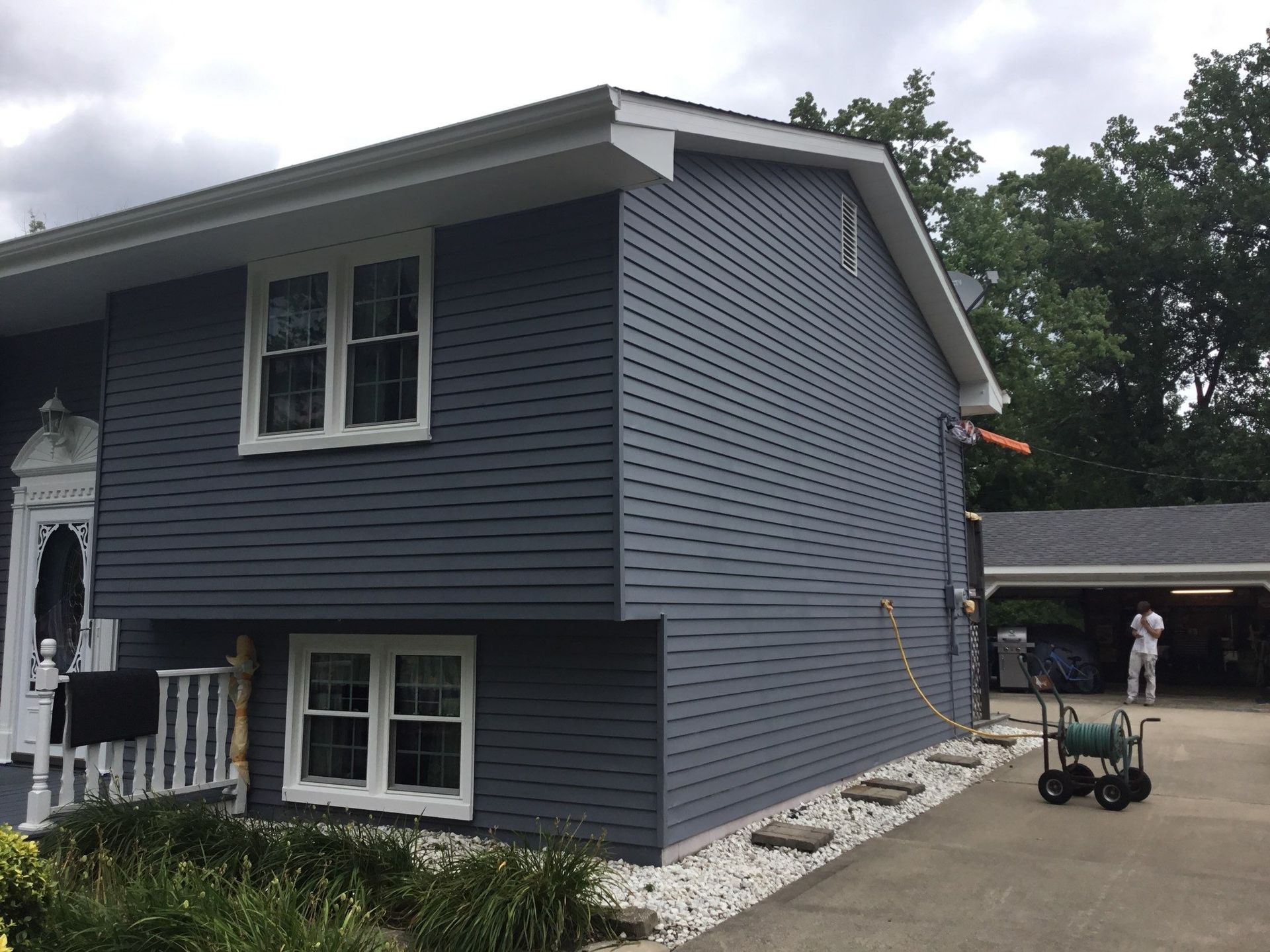
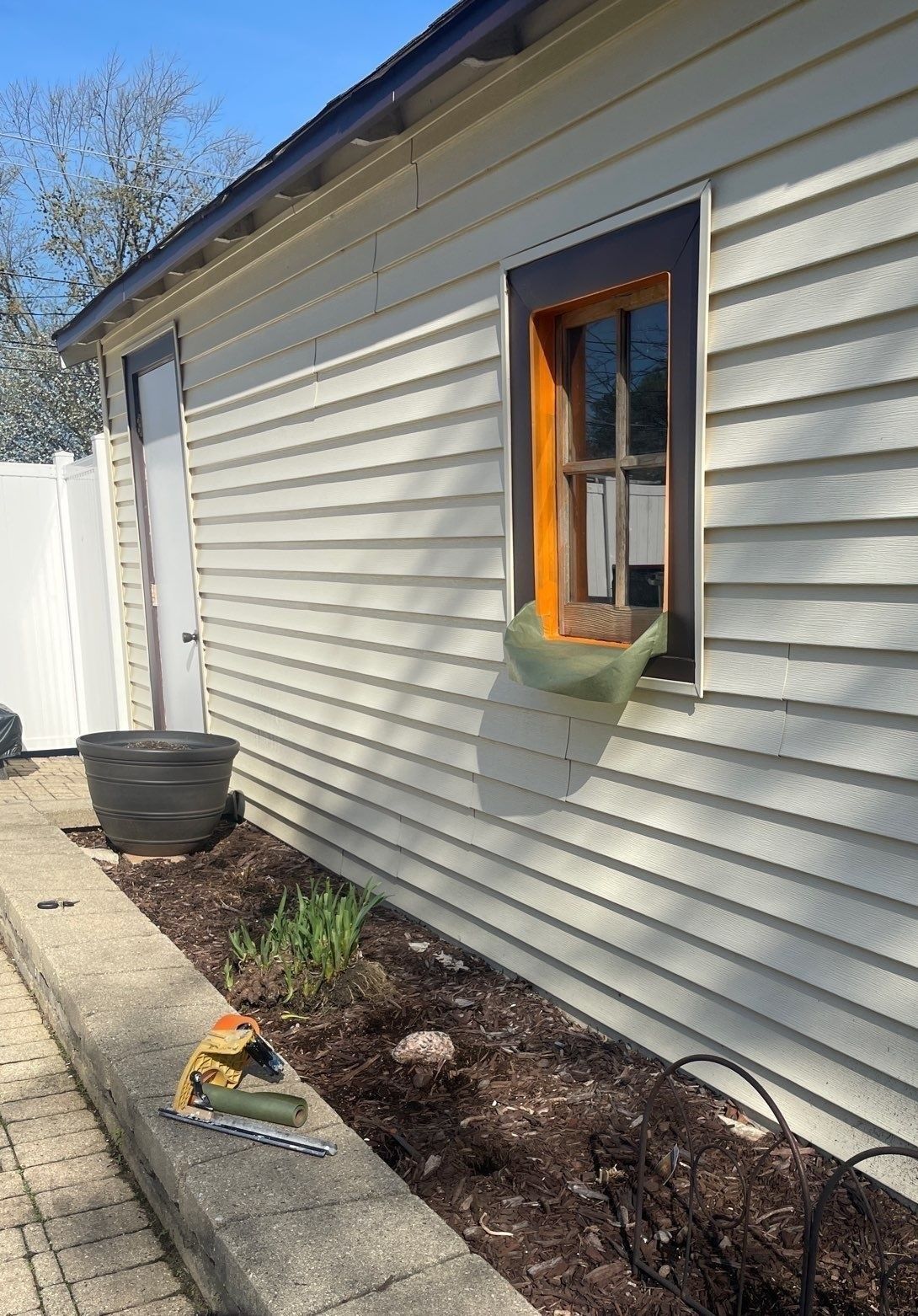
These materials can also hold paint well, but sun exposure and surface preparation become especially important. Darker colors and excessive heat absorption can sometimes shorten lifespan depending on the conditions.


Brick and Masonry:

Painted brick is its own category entirely. Masonry surfaces naturally absorb and release moisture, so proper coating selection and moisture management play a major role in how long the finish lasts.


The Important Part Most Homeowners Don’t Realize: Sun Exposure Matters A Lot


If one side of your house seems to fade faster than the others, there’s usually a reason for it. Direct sunlight and UV exposure are some of the biggest contributors to exterior paint breakdown. South- and west-facing sides of homes often take the hardest hit because they spend more time exposed to intense sunlight throughout the day. Over time, UV rays gradually break down the paint itself. That can lead to:

  • Fading color
  • Chalking or powdery residue
  • Dryness and brittleness
  • Premature cracking 


Meanwhile, shaded sides of the home may hold their appearance significantly longer simply because they aren’t absorbing the same level of heat and UV exposure every day.


Weather Conditions Add Wear Too


Exterior paint deals with a lot more than just sunshine.


Rain, snow, humidity, temperature swings, and seasonal freeze-thaw cycles all affect how long a paint job lasts. Homes in areas with harsh winters or heavy moisture exposure often experience more stress on exterior surfaces throughout the year. And it’s usually not one major weather event that causes failure. It’s the constant cycle of expansion, contraction, moisture, drying, and temperature changes over time that gradually wears coatings down.

That’s one reason properly sealed surfaces and quality preparation matter so much from the beginning.


The Part That Usually Determines Longevity: Prep Work


This is probably the biggest misconception homeowners have about exterior painting. A lot of people assume paint lifespan mostly comes down to the product itself. And while paint quality absolutely matters, preparation underneath the paint is often what determines whether the coating performs well long term.


If surfaces aren’t cleaned properly…
If peeling paint isn’t removed…
If failing caulk gets painted over…
If moisture issues aren’t addressed…
If bare wood isn’t primed correctly…


…it usually doesn’t matter how expensive the paint is. Problems tend to show up much sooner than expected. That’s because paint only performs as well as the surface underneath allows it to.


Higher Quality Paint Usually Performs Better Over Time


Not all paint products are built the same.


Higher-quality exterior paints generally contain better resins, pigments, and additives that help them resist fading, moisture intrusion, and weather-related breakdown. They also tend to provide better flexibility as siding expands and contracts through seasonal changes. Now, that doesn’t necessarily mean the most expensive paint automatically guarantees the longest lifespan. But in many cases, premium products do hold appearance and protection longer than lower-grade coatings.


How Do You Know When Exterior Paint Is Nearing the End of Its Life?


Sometimes the signs are obvious. Sometimes they’re more subtle. Homeowners often start noticing:

  • Fading or uneven color
  • Cracking or peeling
  • Caulk separation
  • Exposed bare wood
  • Chalking residue
  • Moisture-related staining


And in many cases, paint failure starts long before the home looks “terrible” from the street. That’s why regular exterior inspections can help catch smaller problems before they become larger repairs.


The Bottom Line


When homeowners ask how long exterior paint actually lasts, the real answer is: it depends on a lot more than just time. The siding material, weather exposure, sunlight, paint quality, and especially the preparation work all play a major role in how well a paint job holds up over the years.


Some homes may need attention sooner than expected. Others may continue looking great well beyond the “average” timeline. The key is understanding that exterior paint isn’t just about appearance. It’s also part of what protects your home from moisture, weather, and long-term exterior wear. And usually, the paint jobs that last the longest are the ones where the work underneath the surface was done right from the beginning.

Share

Let's Talk Paint!

May 30, 2026
Planning an HOA painting project? Learn how boards and property managers can budget realistically, phase projects strategically, and improve the approval process for large exterior maintenance projects.
May 20, 2026
Is deck staining actually worth the cost and maintenance? Learn how long deck stain lasts, what happens if you skip it, and when a deck may be too far gone to stain.
April 24, 2026
Property managers in Chicago and NW Indiana: learn how to prioritize painting projects, protect your property, and avoid overspending this season.
April 17, 2026
Thinking about exterior painting? Find out which projects deliver the best ROI and where your investment will make the biggest difference.
April 10, 2026
Wondering if your home actually needs exterior painting? Learn the real signs to look for—and how to tell if you can wait or should act sooner.
March 31, 2026
Spring exterior work fills quickly. This HOA planning guide explains what boards should inspect, schedule, and approve now for smooth spring projects.
March 15, 2026
See how Jondec Painting completed a Chicago church project with careful planning, clean execution, and minimal disruption to services and daily activities.
March 1, 2026
Thinking about exterior painting this spring? Use this prep checklist to inspect your home, prevent paint problems, and secure your spot on the spring calendar.
February 26, 2026
Discover how property managers can refresh occupied office spaces without interrupting daily operations or tenant productivity.
February 12, 2026
Planning an exterior paint project this spring? Learn why booking now for April–May exterior painting helps you beat the spring rush and get better results.
More Posts