Is Deck Staining Worth It? Cost, Lifespan, and What to Expect
Deck staining is one of those home maintenance projects that homeowners tend to put off until the deck starts looking a little… questionable. Maybe the color has faded to that familiar “weathered gray” look. Maybe water no longer beads on the surface. Or maybe you walk outside barefoot one summer afternoon and immediately regret every life decision that led you onto splintering deck boards in direct sunlight.
Here’s the point: at some point, most homeowners end up asking the same question: “Is staining the deck actually worth it?”
Because let’s be honest. Deck staining costs money. It takes time. And unlike a kitchen remodel or new flooring, it’s not exactly the kind of project guests walk into your home talking about. But the reality is, deck staining usually has less to do with appearances alone and more to do with protecting the structure underneath from wearing out faster than it should. So before you decide to skip another maintenance cycle, here’s what homeowners should realistically know about deck staining costs, lifespan, and what happens if you avoid it too long.
First: What Does Deck Stain Actually Do?
A lot of homeowners think stain is mostly cosmetic. And yes,
it absolutely improves appearance. But the bigger purpose is protection. Wood decks deal with constant exposure to:
- UV rays
- Rain and moisture
- Snow and ice
- Humidity
- Temperature swings
- Foot traffic
- Grilling accidents that “definitely weren’t your fault”
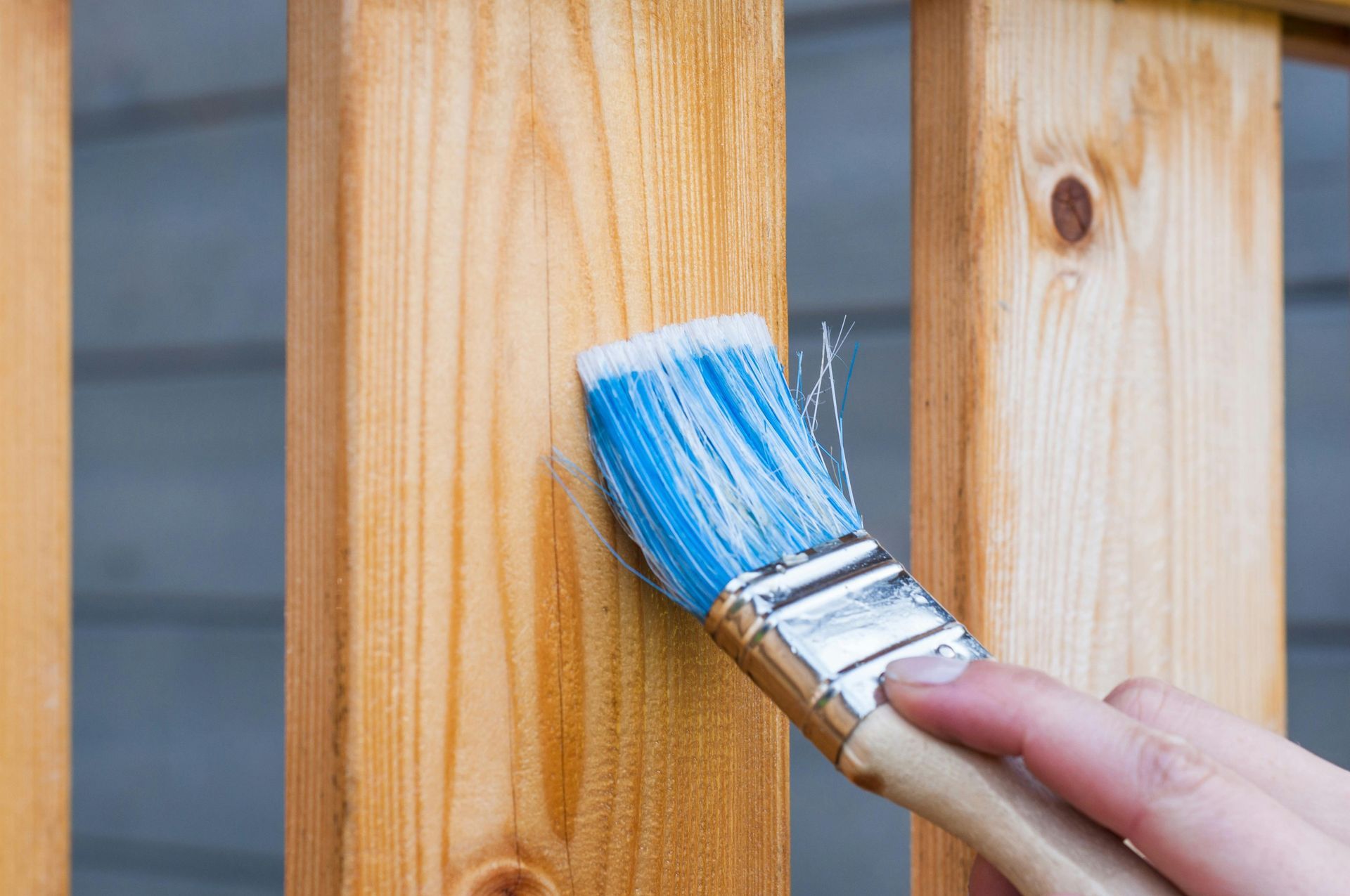
Over time, all of that exposure slowly breaks the wood down. Deck stain helps create a protective barrier that reduces moisture absorption and slows UV damage that can dry out, crack, warp, and weaken the boards. Without protection, wood tends to age much faster.
How Long Does Deck Stain Usually Last?
How long deck stain lasts depends on several factors, including the type of stain used, how much direct sunlight the deck gets, the severity of the weather conditions, and how much daily wear and foot traffic the surface sees. And honestly… one of the biggest factors is how well the deck was prepared before staining in the first place.
In general:
- Transparent stains often last around 1–3 years
- Semi-transparent stains usually hold up closer to 2–4 years
- Solid stains can sometimes last 4–5 years under the right conditions.
That said, horizontal walking surfaces almost always wear faster than railings or vertical surfaces simply because they deal with standing moisture, UV exposure, furniture movement, and constant foot traffic. And no matter what product is used, decks usually require some level of ongoing maintenance over time. There really isn’t a magical “do it once and forget it forever” version of exterior wood care.

What Happens If You Skip Deck Staining?
Usually, the problems start gradually. At first, the deck may simply look faded, dry, or weathered. Then water starts soaking into the wood instead of beading on the surface. Over time, repeated exposure to moisture and UV rays can lead to splitting, warping, cracking, surface erosion, loose boards, and in more severe situations, rot. And once structural deterioration starts happening, staining alone may no longer solve the problem. That’s the part homeowners sometimes underestimate. Skipping maintenance for a few seasons doesn’t just affect how the deck looks. It can shorten the overall lifespan of the deck itself.
The Cost of Staining vs. The Cost of Replacing
Deck staining is considered maintenance. Deck replacement is considered reconstruction. And those two price tags live in very different universes. While staining requires periodic upkeep every few years, full deck replacement can quickly become a major project involving demolition, new framing, new decking boards, railings, fasteners, permits in some cases, and significantly higher labor and material costs.
In many situations, regular staining and maintenance can help homeowners get considerably more usable life out of the deck before major repairs or replacement become necessary. It’s kind of like oil changes for your car. Nobody gets excited about paying for them either, but replacing the entire engine tends to be a much worse experience.
How Do You Know If a Deck Can Still Be Stained?
Sometimes older decks reach a point where the wood has deteriorated too far for stain to perform properly anymore. Homeowners may start noticing soft or spongy boards, deep cracking, or loose structural components. If the wood itself is failing, stain can improve appearance temporarily, but it usually won’t reverse structural deterioration already happening underneath.
That’s why inspection and preparation matter before any staining project begins.
Prep Work Usually Determines the Results
A quality stain product can only perform well if the surface is properly prepared first. If dirt, mildew, failing coatings, or trapped moisture remain on the deck, problems often show up much sooner than expected.
And yes… this is usually the part homeowners regret volunteering to do themselves halfway through the project in July humidity.
The Bottom Line
So, is deck staining worth it?
In most cases, yes—especially if the goal is protecting the deck, extending its lifespan, and avoiding larger repair costs down the road. While staining does require periodic maintenance, it’s often far less expensive and disruptive than dealing with premature deck replacement later. The important thing is having realistic expectations. Deck stain isn’t permanent. It wears over time because decks take a constant beating from weather, moisture, sunlight, and daily use.