Every year, it happens. The calendar flips to summer, students head home, church activity slows down a bit, and
facility managers everywhere look at their maintenance lists and think: "Okay, now's our chance."
For
schools , churches, and many community facilities, summer often provides the best opportunity to complete painting projects with minimal disruption. The challenge is that everyone else has the same idea. The result? A relatively short window to evaluate priorities, make decisions, schedule contractors, and complete projects before buildings fill back up again. The good news is that a lot can be accomplished during a summer break. The key is having a realistic plan.
Summer Goes Faster Than You Think
At the beginning of summer, six to eight weeks can sound like plenty of time. Then reality shows up. There are planning meetings. Vacation schedules. Special events. Flooring projects. HVAC work. Cleaning crews. Vendor coordination. Suddenly the calendar starts looking a lot smaller. That's why successful
summer painting projects usually begin long before the first paintbrush comes out. The facilities that tend to have the smoothest summers aren't necessarily the ones with the biggest budgets. They're often the ones that make decisions early enough to keep the project moving.
What Can Realistically Be Accomplished During Summer Break?
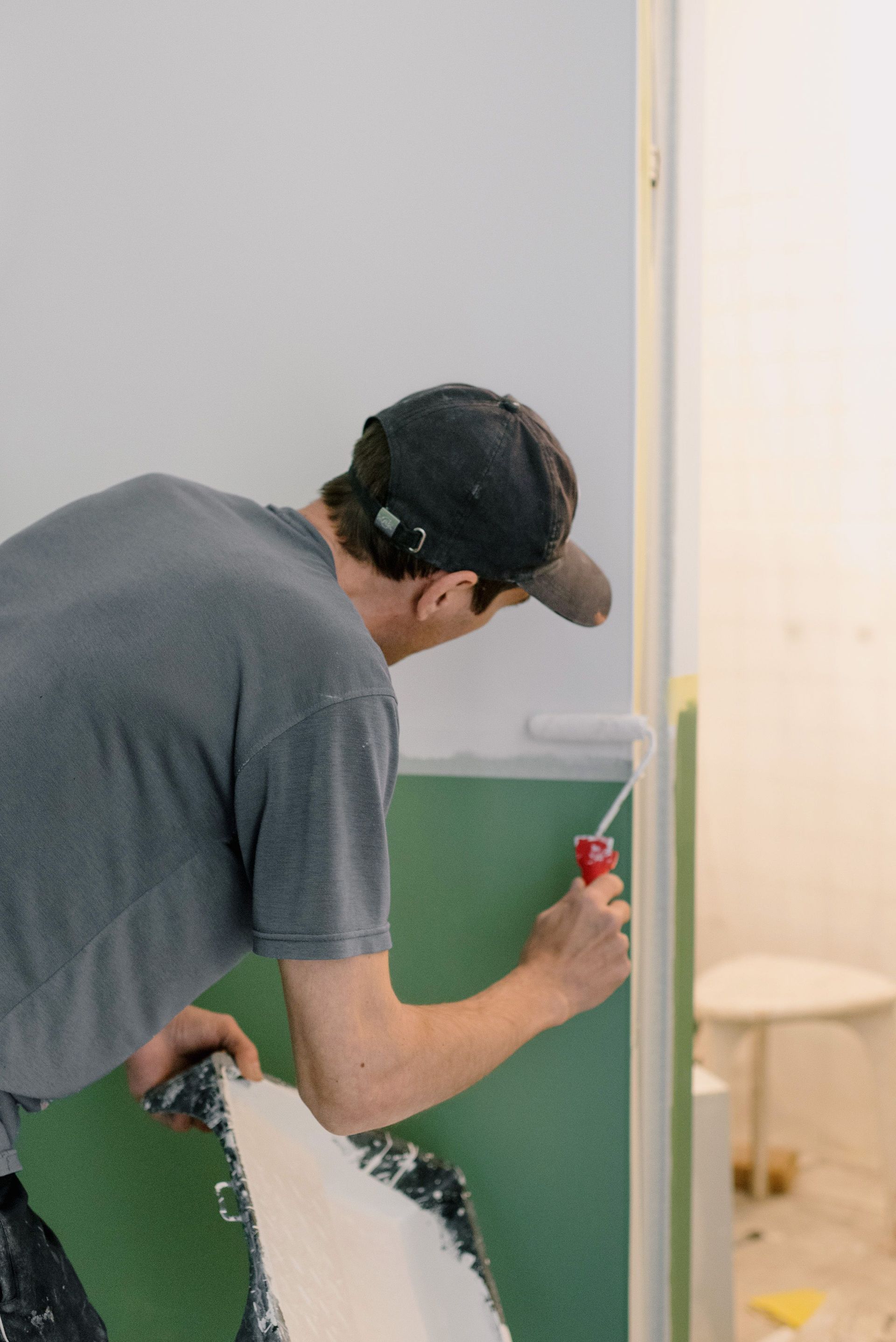
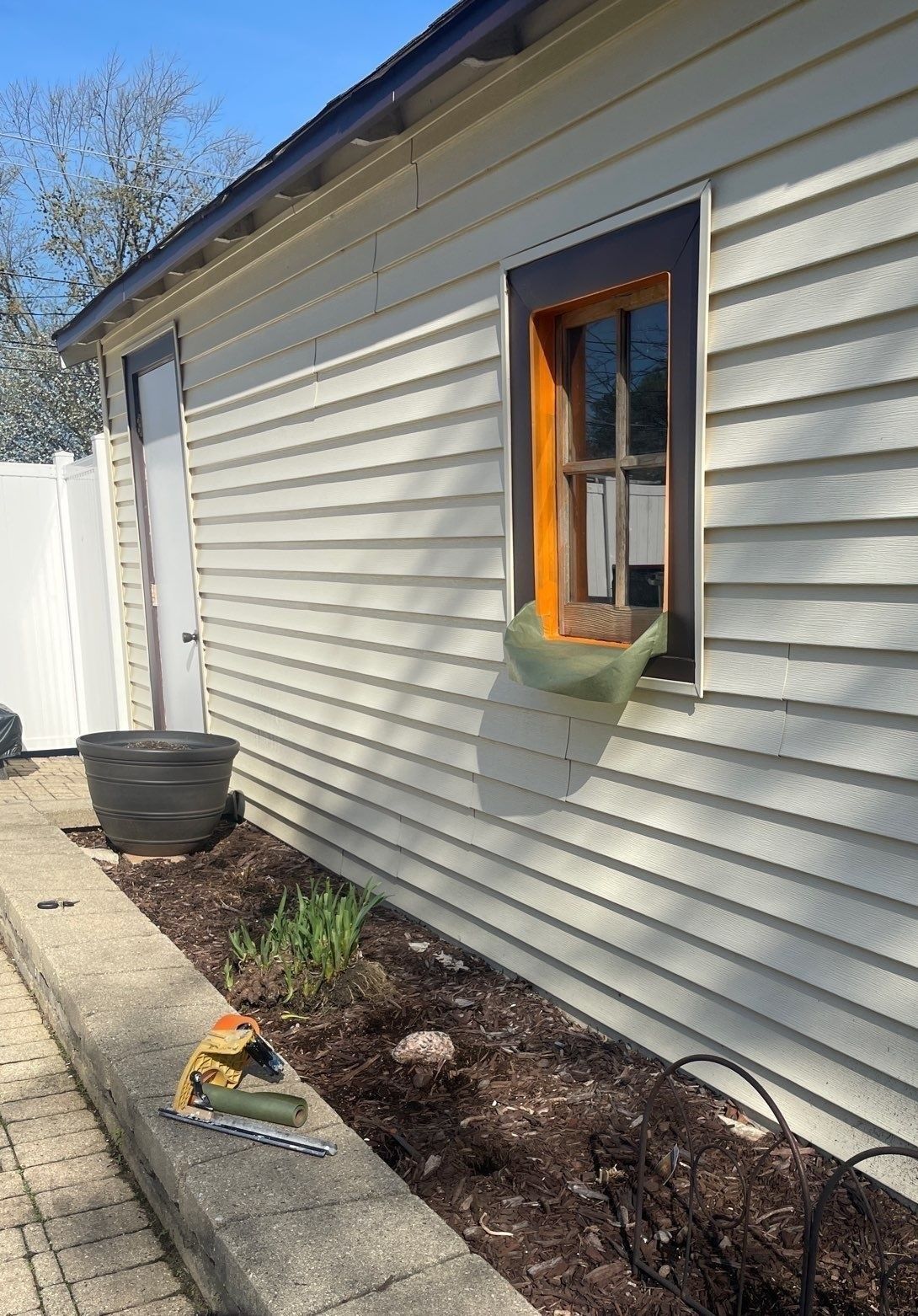
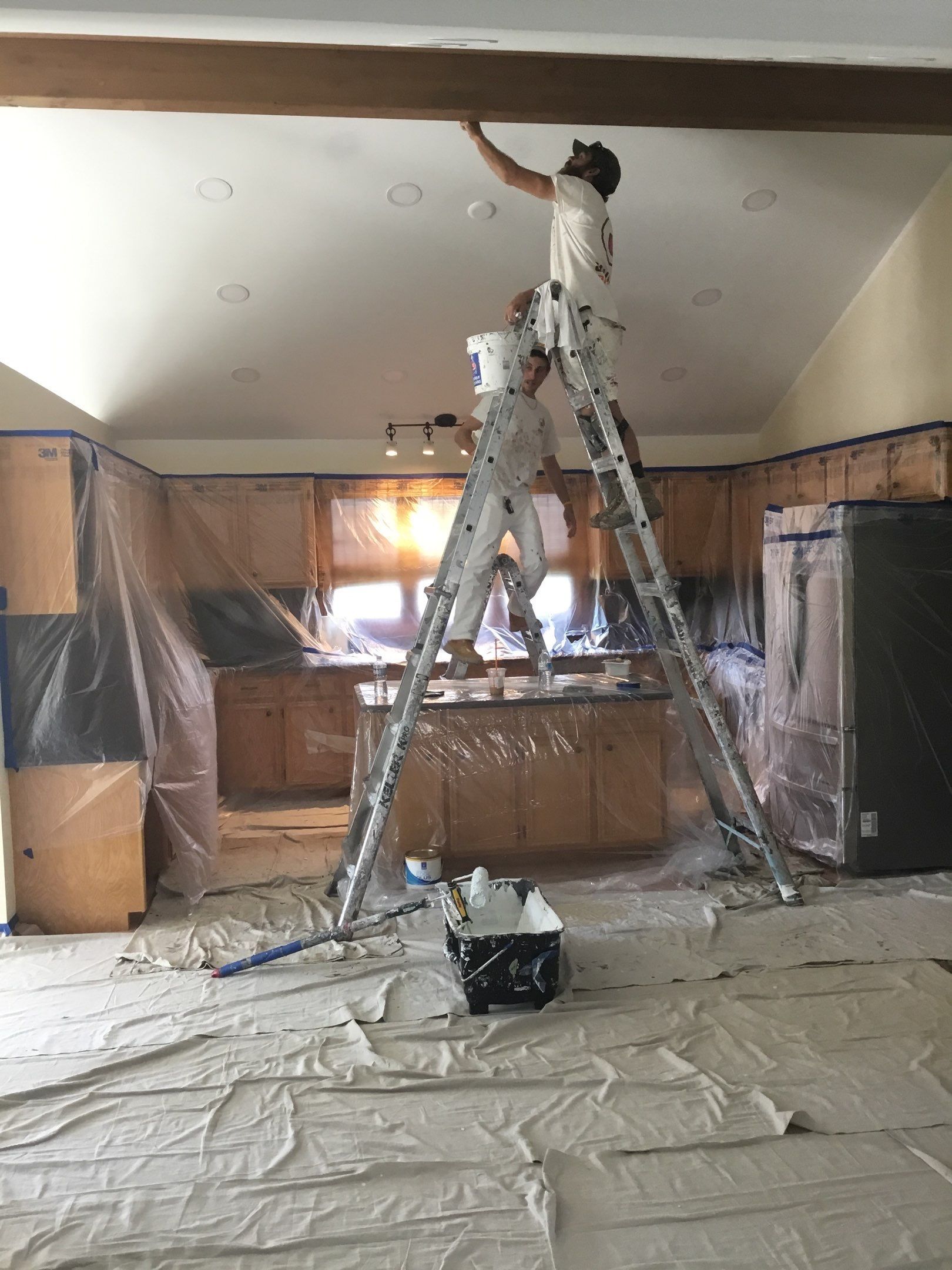
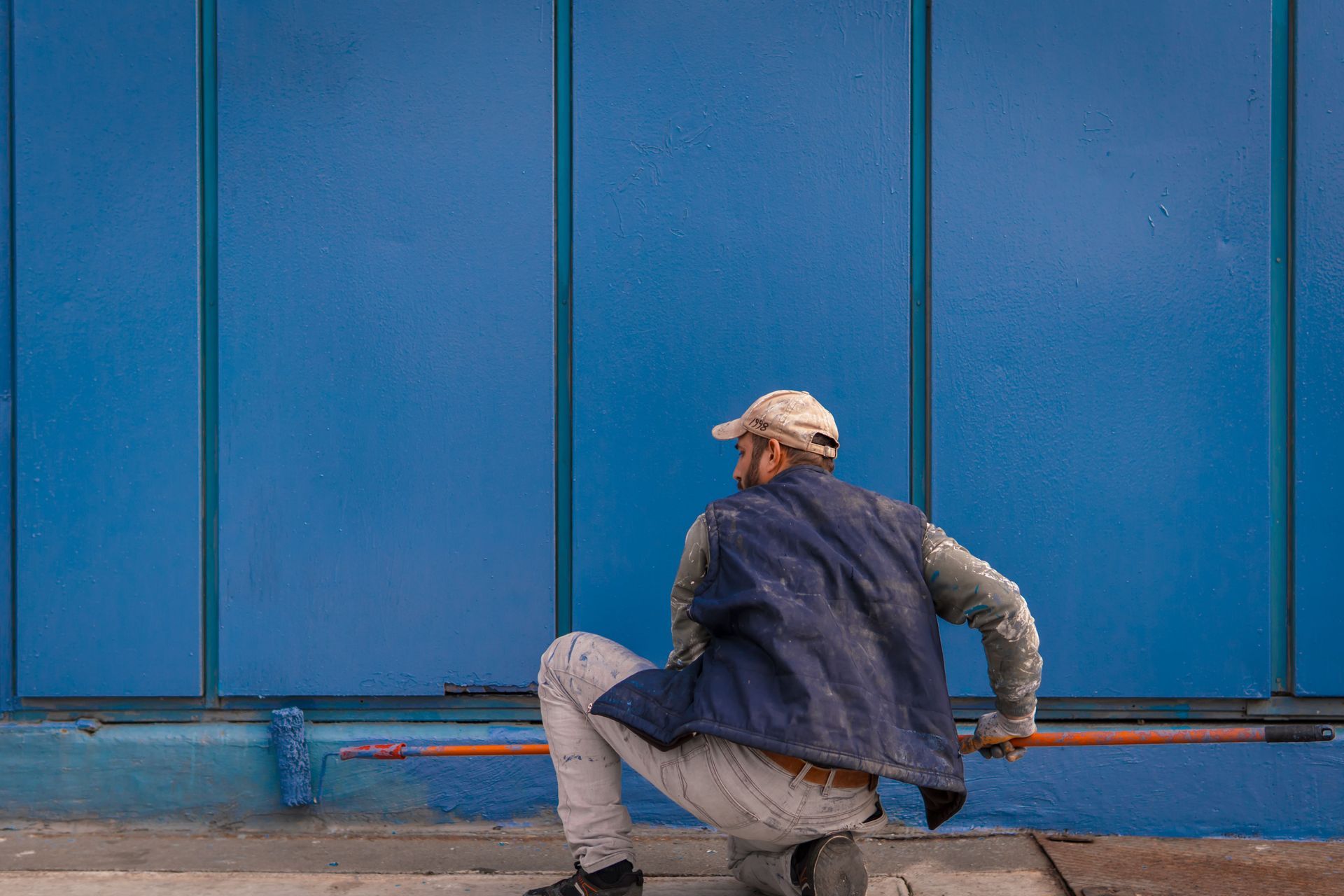
Quite a bit, actually. Depending on the size of the facility and the scope of work, summer can provide enough time for significant interior and exterior painting projects. Many schools, churches, and community facilities use the break to refresh classrooms, hallways, gymnasiums, administrative offices, sanctuaries, fellowship halls, and other high-traffic spaces. It's also a common time to address exterior maintenance, touch up doors and trim, and tackle areas that are difficult to access when buildings are fully occupied. The important thing is matching the scope of work to the available timeframe.
Trying to complete every deferred maintenance item from the last decade in a single summer usually leads to frustration. Prioritizing the highest-impact areas often leads to better results, fewer scheduling headaches, and a smoother overall project.
If You Can't Do Everything, Start Here
Most facilities have longer wish lists than budgets. That's normal. When resources are limited, it often helps to focus on areas that deliver the greatest combination of visibility, protection, and daily use.
For many facilities, that means prioritizing:
Main entrances and gathering spaces
High-traffic hallways and corridors
Areas showing active deterioration
Spaces used by visitors and the public
Surfaces vulnerable to moisture damage
A freshly painted storage room may be nice. A deteriorating entrance that's seen by hundreds of people every week is usually more urgent. The goal isn't simply to paint what looks the worst. It's to focus on the areas that have the greatest impact on the facility's appearance, functionality, and long-term maintenance needs.
The Decisions That Need to Happen Now
One of the biggest reasons
summer projects get delayed isn't the painting itself. It's decision-making. Waiting until June to choose colors, finalize scopes, secure approvals, or coordinate schedules can quickly shrink an already limited timeline.
The earlier facilities can answer key questions, the smoother the project tends to go:
Which areas are being painted?
What is the budget?
Are there color changes?
Will work need to be phased?
Are other contractors involved?
Are there important dates that must be avoided?
The more clarity everyone has upfront, the easier it becomes to keep the project on schedule. And unlike paint, lost calendar time is one thing you can't simply apply another coat to later.