Which Exterior Paint Problems Can Wait Until Spring, and Which Can't?

Last Updated: September 28, 2026

Some exterior paint problems can absolutely wait until spring. Fading, chalking, and other cosmetic issues usually aren't emergencies. But exposed wood or failed caulk that's letting in moisture? Those deserve attention before a Chicagoland winter gets several months to work on them.


The important question isn't really, "Is it too late to paint?" It's "What happens if I leave this problem alone until spring?" Because your house not being your favorite shade of beige can wait. Water getting behind the trim probably shouldn't. Let's talk about it. 


Cosmetic Problems Can Usually Wait


Let's start with the easy stuff. Faded paint, chalking, minor discoloration, and a color you simply don't like are generally cosmetic problems. They may be signs it's time for exterior painting, but if the coating is still firmly attached and protecting the surface underneath, waiting until spring is reasonable. The same goes for small imperfections that aren't exposing or damaging the material below. Your house may spend another winter looking a little tired, but tired and vulnerable are two different things.


Peeling Paint Requires a Little Investigation


Peeling paint lives somewhere in the middle. A few peeling spots don't automatically mean you need to repaint the house immediately, but you do want to see what's underneath. If the material below is still sound and protected, the project may be able to wait. But if peeling has exposed bare wood, that protective barrier is gone and moisture has an easier path into the surface. So don't judge peeling paint by the size of the spot alone. A small patch of exposed wood may deserve more attention than a whole wall of faded but otherwise sound paint.


Water Changes the Conversation


Once an exterior problem can allow moisture in, we're no longer talking only about appearance. Failed caulk, open joints, exposed wood, damaged trim, and deteriorated siding can all leave exterior materials more vulnerable to rain, snow, melting ice, and the repeated freezing and thawing that comes with a Chicagoland winter.


Cracked Caulk 


A tiny surface crack in otherwise intact caulk may not be urgent. Missing or badly failed caulk around windows, doors, trim, and other joints is different, especially if the opening can allow water behind exterior materials. If the caulk's main job is keeping water out and it has stopped doing that job, it probably shouldn't get the winter off.


Bare Wood 


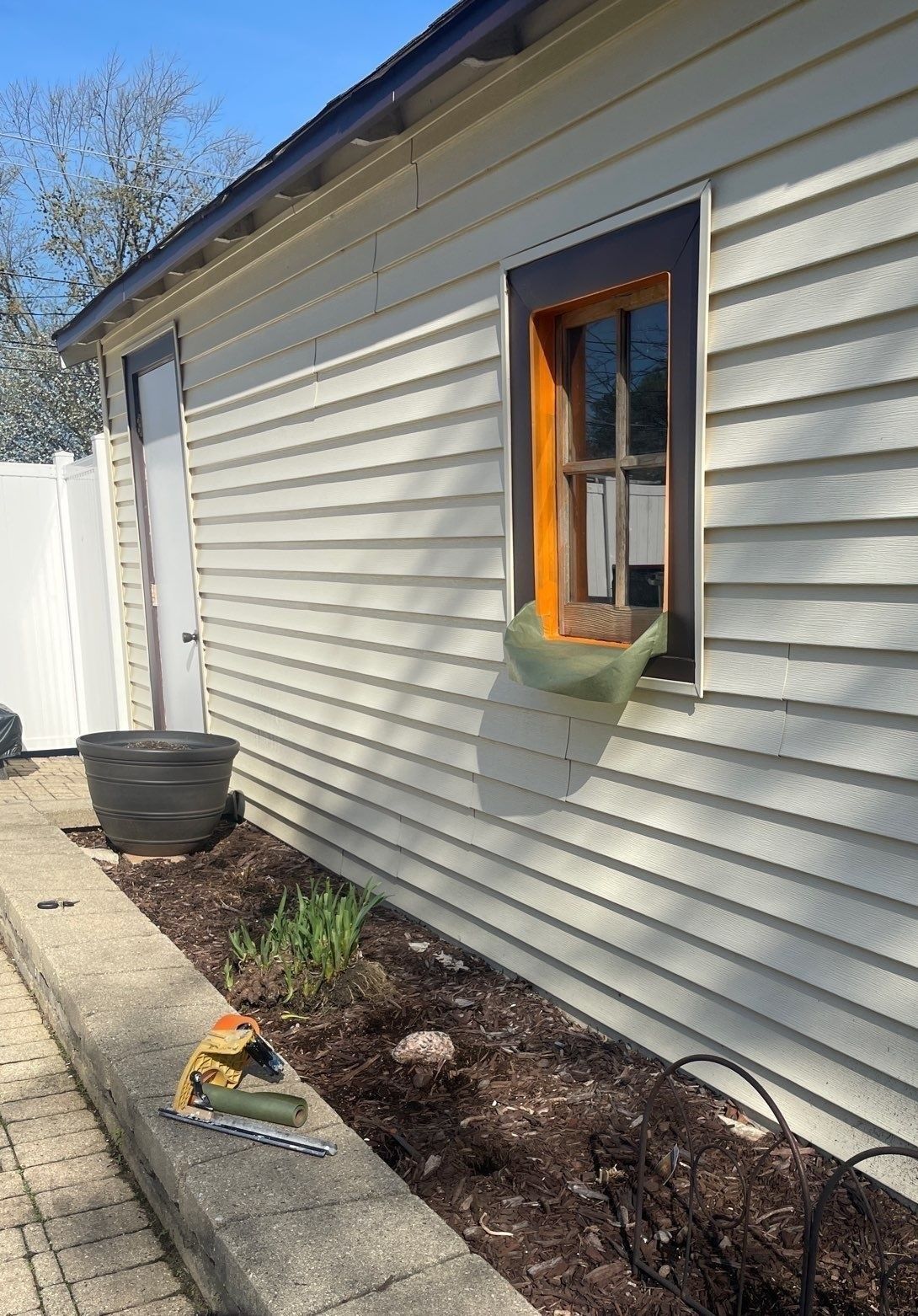
Paint isn't just decorative on exterior wood. It also helps protect the surface from moisture. Once wood is exposed, months of snow, rain, freezing, thawing, and drying can take a toll. You may not need to repaint the entire house immediately, but protecting or addressing the exposed area before winter can prevent a relatively small problem from becoming a larger repair.


Rot 


If wood is already soft, crumbly, or deteriorating, you've moved beyond a simple paint problem. Small areas of damage may be repairable, but they should be evaluated rather than covered up or ignored. And if moisture is causing the deterioration, finding the source matters too. Fixing the board without fixing the leak just gives you a newer board to ruin. 


Sometimes You Fix the Problem and Paint Later


Here's the part homeowners sometimes miss: dealing with an exterior problem before winter doesn't necessarily mean painting the entire house before winter. If conditions aren't right for a full project, a vulnerable area may be repaired, sealed, or otherwise protected until the larger painting project can be completed. That's especially useful late in the season when you discover one problem that shouldn't wait but don't necessarily want to rush an entire exterior project just because November is staring at you from the calendar.


Person painting a wall green with a paint roller in a room under renovation

Give Your Exterior a Quick Pre-Winter Check


Thankfully, you don't need a clipboard, safety vest, or newfound career in home inspection. Just take a walk around the house and pay attention to the places most exposed to weather. Look for peeling paint that has revealed bare wood, missing or badly cracked caulk, soft or deteriorating trim, damaged siding, open joints, and staining or other signs that moisture may be getting behind the surface. Windows, doors, fascia, trim joints, and areas around rooflines are worth an extra look. If everything underneath the paint is still sound and protected, you probably have more flexibility. If the home's protective exterior is starting to fail, that's worth addressing before winter.


Fall Doesn't Automatically Mean It's Too Late to Paint


Don't get the wrong idea. September or October isn't an automatic cutoff for exterior painting in Chicagoland. There can still be plenty of workable days, although rapidly changing temperatures mean contractors have to pay close attention to the forecast, surface conditions, and product requirements. That's why the best temperatures for exterior painting in Chicagoland matter more than a particular date. Still, don't let this become purely a calendar decision. First determine whether the problem can safely wait. Then decide whether the solution is painting now, making a smaller repair, or scheduling the full project for spring.


The Takeaway


The easiest way to judge an exterior paint problem is to ask what it's doing, not just what it looks like. Fading, chalking, and other cosmetic issues can usually wait. Problems that expose wood, allow moisture in, or involve active deterioration deserve attention sooner. That doesn't mean every peeling spot needs to trigger an emergency house-painting operation. It just means Chicagoland winter probably shouldn't be your repair strategy.


Jondec Painting


At Jondec Painting, we'd rather help homeowners understand what actually needs attention than turn every fall paint problem into an emergency. If you're unsure whether an exterior issue can safely wait until spring, we can look at what's happening, identify areas that may need protection or repair, and help determine when the painting itself makes sense. Sometimes the answer is now. Sometimes it's spring. The important thing is knowing why.


If you have any other questions, don't hesitate to contact us!


Frequently Asked Questions


Can peeling exterior paint wait until spring?
Sometimes. If the peeling is minor and the material underneath remains protected, it may be able to wait. Exposed wood or moisture-related peeling deserves attention sooner.


Is exposed wood a problem in winter?
Yes. Exposed wood has lost its protective coating and can absorb moisture through rain, snow, and melting ice.


Should cracked exterior caulk be repaired before winter?
If the caulk has failed enough to allow moisture behind exterior materials, it should generally be addressed before winter.


Does cold weather make wood rot worse?
Moisture is the bigger concern, but repeated wetting, freezing, and thawing can be hard on already vulnerable exterior wood.


Can you still paint a house in September or October in Chicago?
Yes, depending on temperatures, weather, surface conditions, and the coating being used. Fall painting isn't automatically off the table just because the calendar says October.


What exterior maintenance should I do before winter?
Check for exposed wood, failed caulk, damaged siding or trim, peeling coatings, open joints, and signs of moisture intrusion.


How do I know if an exterior problem is urgent?
Ask whether it's merely cosmetic or whether it's exposing the home to moisture or continued deterioration. If the problem is affecting the protection of the surface underneath, it deserves attention sooner.

Share this article

Recent Posts

September 14, 2026
Can a painter fix wood rot or damaged siding before painting? Learn which exterior repairs painters may handle and when Chicagoland homes need more extensive carpentry.
August 29, 2026
Should you paint your siding or replace it? Learn when painting aluminum, vinyl, cedar, and other siding makes sense for Chicagoland homes.
August 14, 2026
ow much prep should a painter do before painting your house? Learn what exterior paint prep should include and what Chicagoland homeowners should look for when comparing estimates.
July 30, 2026
Is October too late to paint outside? Learn why October can be one of the best months for exterior painting, what temperatures matter most, and when it's better to wait until spring.
July 15, 2026
How much does it cost to paint the exterior of a 3,000 sq ft house? Learn typical price ranges, what affects cost, and how to compare painting estimates like a pro.
Tennis court with a squeegee or mop cleaning a wet floor in the foreground, person blurred in the background.
By Christine Lekberg • June 21, 2026
Planning a summer painting project for your school, church, or facility? Learn how to prioritize projects, maximize short break windows, and set realistic expectations for a successful summer refresh.
Modern kitchen with dark green cabinets, white countertops, and a window above the sink
By Christine Lekberg • June 14, 2026
Thinking about painting your kitchen cabinets? Learn what cabinet painting typically costs, how long the process takes, and when painting makes more sense than replacing your cabinets.
Corner view of a white historic building with arched windows and ornate stone detailing
By Christine Lekberg • June 7, 2026
Not sure whether to paint this year or wait until next year? Learn how to evaluate your home's condition, budget, future plans, and the true cost of delaying a painting project.
Aerial view of suburban houses with green lawns, trees, and a curved driveway in bright sunlight
By Christine Lekberg • May 30, 2026
Planning an HOA painting project? Learn how boards and property managers can budget realistically, phase projects strategically, and improve the approval process for large exterior maintenance projects.
Two paintbrushes on a wooden surface, one wide flat brush and one small round brush with paint on the bristles
By Christine Lekberg • May 20, 2026
Is deck staining actually worth the cost and maintenance? Learn how long deck stain lasts, what happens if you skip it, and when a deck may be too far gone to stain.
Show More