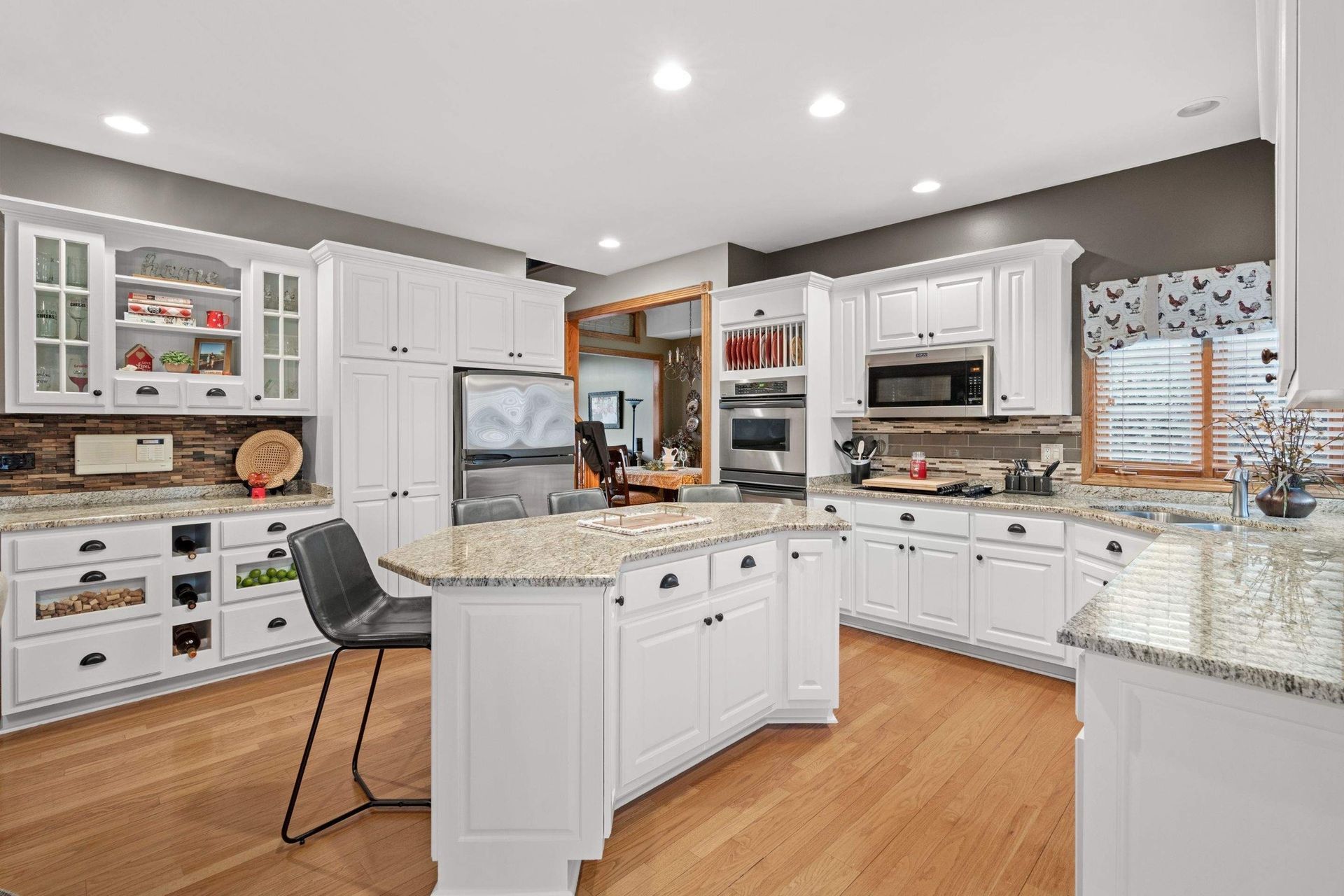
Are Painted Cabinets Really Durable?

Last Updated: October 15, 2026

Short answer...


Yes, painted cabinets can be durable enough for everyday kitchen use when the cabinets are in good condition, the surfaces are properly prepared, and a suitable coating system is applied. Allowing the finish to cure and caring for it correctly also make a difference. Durable doesn’t mean damage-proof, but professional cabinet painting can give you a finish that looks great and holds up well.

And that’s an important distinction. Your kitchen isn’t a showroom. There can be sticky fingers, coffee spills, and maybe a teenager who closes every cabinet like they’re making a point.


If you’re considering cabinet painting for your Chicagoland home, you probably want more than a pretty “after” photo. You want to know whether those cabinets will still look good once real life (and pasta night) gets involved.


Let’s talk about what makes that possible.


What Makes a Painted Cabinet Finish Durable?

This is a key point: cabinet paint durability starts before the finish coats go on.


As we mentioned above, kitchen cabinets collect cooking grease, hand oils, and cleaning-product residue. Just painting over those contaminants can interfere with adhesion, meaning that the paint simply can’t stick and bond like it was designed to. That’s why proper cleaning and sanding are so important, helping to establish a sound surface for the coating system. 


The condition of your cabinets matters too. A coating can only perform as well as the surface supporting it. Loose, failing finishes need attention, and damaged cabinet material may need repairs or replacement.


This is why “What paint do you use?” is a good question, but it shouldn’t be the only question.


Ask how the cabinets will be prepared, what primers are included, and what care the new finish will need. Those details really matter, and help forecast how your new finish will hold up.


What Does Jondec Painting Use to Paint Kitchen Cabinets?

At Jondec Painting, our typical cabinet coating system includes one coat of a bonding primer, followed by one coat of a stain-blocking primer, and two finish coats of INSL-X Cabinet Coat in satin.


Each step has a purpose.


1. Bonding Primer: Helping the Cabinet Finish Really Stick

Remember how we said that the surfaces matter? A bonding primer helps create the ideal, durable base for your prettier topcoat. The right foundation. That’s especially relevant if we’re painting over an older finish, like a dated stain you don’t want anymore.


2. Stain-Blocking Primer: Helping Prevent Bleed-Through

A stain-blocking primer helps keep underlying stains and wood tannins from showing through the new finish. Trust us: nothing is more disappointing than loving your creamy new cabinet paint, only to see old knots and swirls come through after a few months, or the ghost of paint colors past start to make an appearance.


3. Two Finish Coats of Cabinet Coat Satin

INSL-X Cabinet Coat is a urethane acrylic enamel intended for cabinets and trim, and lists resistance to chipping, scuffing, food stains, grease, and water. Those are useful properties for a working kitchen, although resistance doesn’t mean complete protection from damage.


The takeaway? The product matters, and so does everything underneath it. 

Will Painted Cabinets Chip or Scratch?

They can. No cabinet finish is immune to sharp impacts, repeated friction, or rough treatment.

A pan hitting a drawer face can leave a mark. A misaligned door that rubs against another surface can wear through the finish. Aggressive scrubbing can damage it too.


But an isolated chip and widespread peeling are different situations.


A small damaged spot may come from a specific impact. Paint peeling across larger areas can point to an adhesion problem, contamination, or an unstable underlying finish. That deserves a closer look rather than just another coat of paint.


Dry to the Touch Doesn’t Mean Fully Cured

It’s also important to know that a newly painted cabinet can feel dry before the finish has fully developed its hardness and peak durability. That’s the difference between drying and curing, and it matters during those first days after painting.


Cabinet Coat’s technical data sheet lists 14 days for full cure at 77°F and 50% relative humidity. Cooler or more humid conditions can extend the time needed. Follow the care and return-to-use instructions provided for your project to make sure your new coating fully cures and hardens.


You don’t need to become a paint chemist, but you do need to give the new finish a gentle start.

Avoid scrubbing, bumps, and unnecessary handling while it cures. Before the project wraps up, ask when you can resume normal cleaning and whether there are any temporary precautions to follow. A little patience now helps protect the work you just invested in.


How Do You Keep Painted Cabinets Looking Good?

Once the finish has cured, a few simple habits can help keep your cabinets looking their best:


  • Wipe up spills promptly. Pay particular attention to water around sinks and cabinet edges.
  • Clean gently. Use a soft cloth and a cleaner approved for the finish.
  • Skip abrasive pads and aggressive scrubbing. Start with the gentlest recommended cleaning method.
  • Keep doors and hardware adjusted. Rubbing doors and loose hardware can create unnecessary wear.
  • Ask about damage early. A chipped edge or moisture-damaged area may need attention before it becomes a bigger problem.


And remember: paint won’t fix swollen cabinet material, failing joints, or peeling veneers.


If your cabinets have significant damage, painting may only improve their appearance temporarily. An honest assessment should help you decide whether repairs, painting, or replacement makes the most sense.


Frequently Asked Questions About Painted Cabinet Durability

Q. How long do professionally painted cabinets last?

There isn’t one reliable lifespan for every kitchen. Cabinet condition, preparation, coating quality, daily use, and care all affect longevity. A properly completed project can provide years of service, but a fixed promise would overlook those differences.


Q. Do painted cabinets chip easily?

They shouldn’t routinely chip or peel during ordinary use when the coating system is appropriate and properly applied. However, sharp impacts, rubbing doors, and rough handling can damage even a durable finish.


Q. Can you clean painted cabinets?

Yes, once the finish is ready for cleaning. Follow your painter’s instructions, use an approved gentle cleaner, and avoid abrasive tools. Check before using a heavy-duty degreaser.


Q. How long does cabinet paint take to cure?

Curing time depends on the product and conditions. For Jondec’s typical Cabinet Coat satin finish, allow for a curing period beyond the initial drying time and follow the project’s specific care instructions.


Q. Is painting worthwhile if my cabinets are still in good condition?

Often, yes. If you like your kitchen’s layout and the cabinets are structurally sound, painting can update their appearance without replacing the entire cabinet system. The first step is checking whether the existing surfaces are suitable.


Ready to find out whether your cabinets are good candidates? Jondec Painting can assess your Chicagoland kitchen, explain the process, and help you make a confident decision.

Share this article

Recent Posts

September 28, 2026
Which exterior paint problems can wait until spring? Learn what Chicagoland homeowners can postpone and what should be addressed before winter.
September 14, 2026
Can a painter fix wood rot or damaged siding before painting? Learn which exterior repairs painters may handle and when Chicagoland homes need more extensive carpentry.
August 29, 2026
Should you paint your siding or replace it? Learn when painting aluminum, vinyl, cedar, and other siding makes sense for Chicagoland homes.
August 14, 2026
ow much prep should a painter do before painting your house? Learn what exterior paint prep should include and what Chicagoland homeowners should look for when comparing estimates.
July 30, 2026
Is October too late to paint outside? Learn why October can be one of the best months for exterior painting, what temperatures matter most, and when it's better to wait until spring.
July 15, 2026
How much does it cost to paint the exterior of a 3,000 sq ft house? Learn typical price ranges, what affects cost, and how to compare painting estimates like a pro.
Tennis court with a squeegee or mop cleaning a wet floor in the foreground, person blurred in the background.
By Christine Lekberg • June 21, 2026
Planning a summer painting project for your school, church, or facility? Learn how to prioritize projects, maximize short break windows, and set realistic expectations for a successful summer refresh.
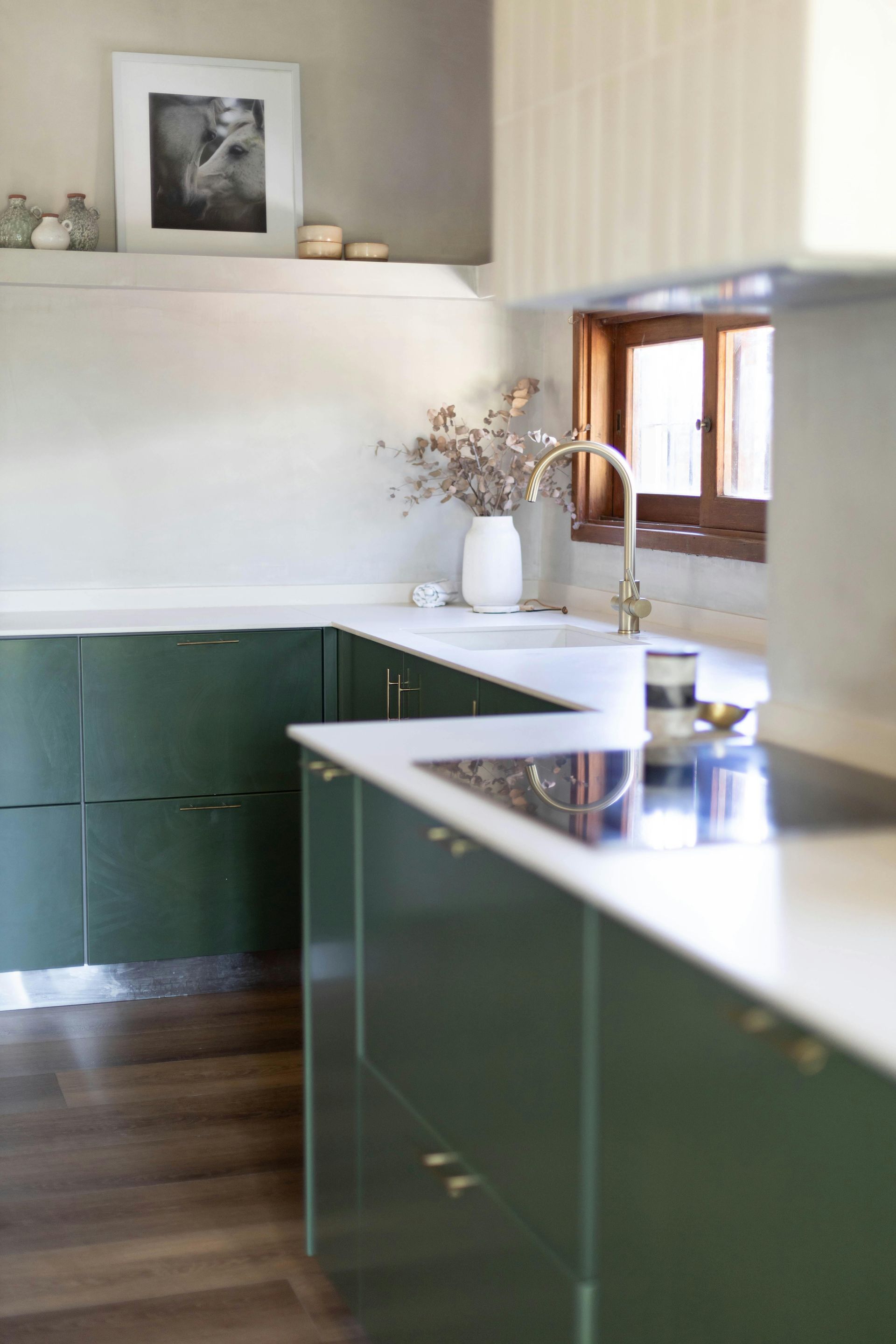
Modern kitchen with dark green cabinets, white countertops, and a window above the sink
By Christine Lekberg • June 14, 2026
Thinking about painting your kitchen cabinets? Learn what cabinet painting typically costs, how long the process takes, and when painting makes more sense than replacing your cabinets.
Corner view of a white historic building with arched windows and ornate stone detailing
By Christine Lekberg • June 7, 2026
Not sure whether to paint this year or wait until next year? Learn how to evaluate your home's condition, budget, future plans, and the true cost of delaying a painting project.
Aerial view of suburban houses with green lawns, trees, and a curved driveway in bright sunlight
By Christine Lekberg • May 30, 2026
Planning an HOA painting project? Learn how boards and property managers can budget realistically, phase projects strategically, and improve the approval process for large exterior maintenance projects.
Show More