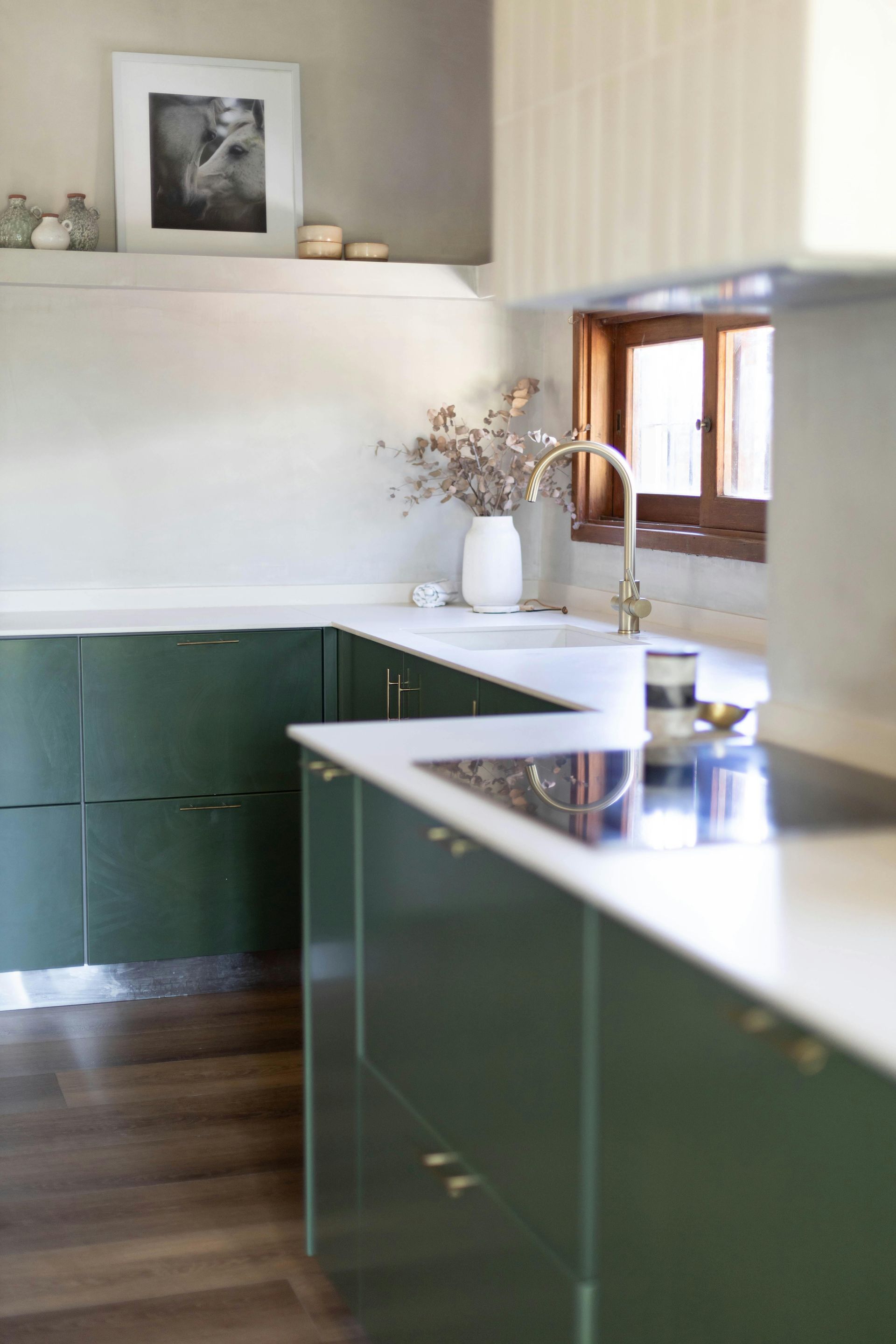
Why House Square Footage Doesn’t Tell the Whole Story
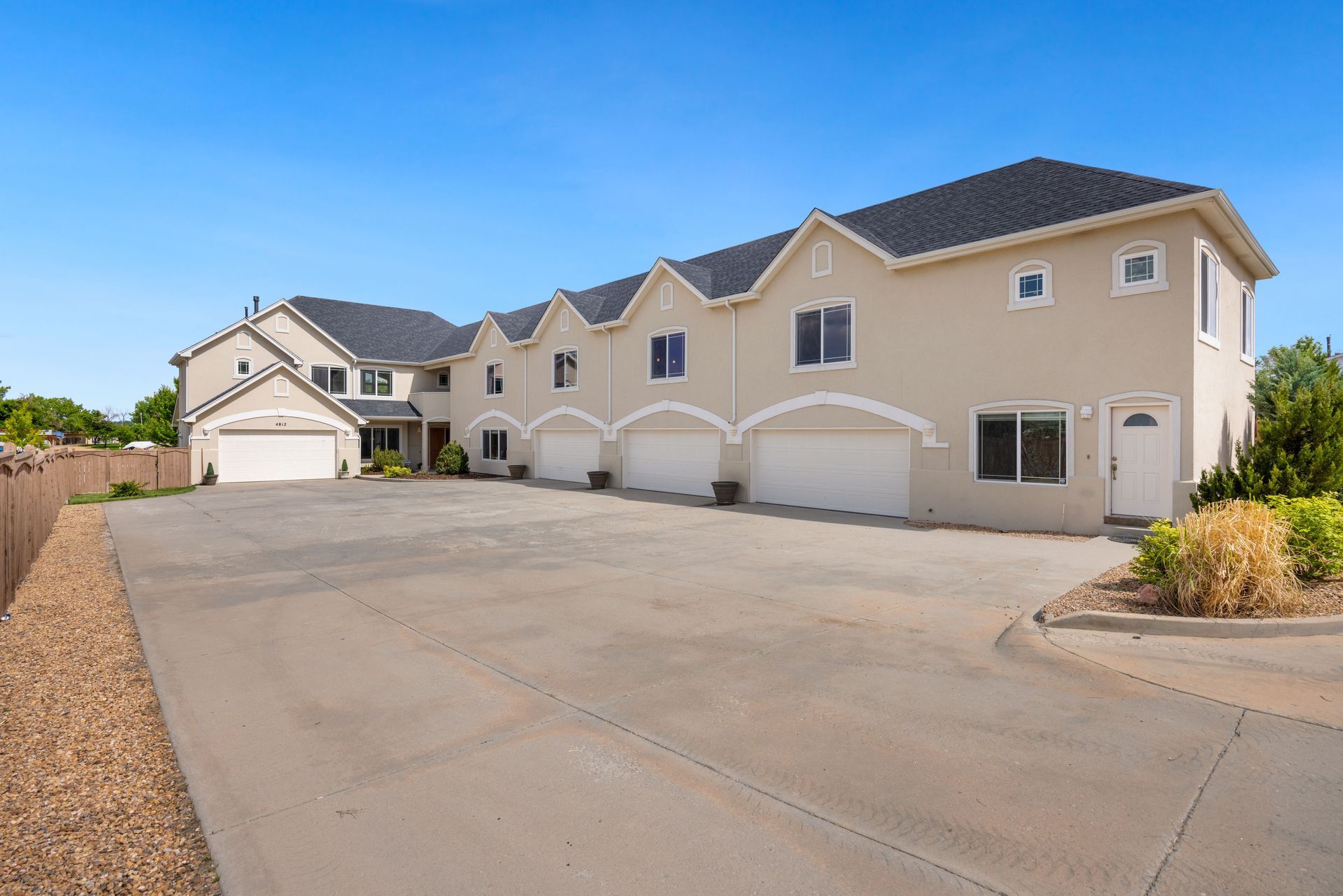
Your home’s square footage measures floor area. Painting estimates account for walls, ceilings, woodwork, and the work required to finish them. Two 2,000-square-foot houses can have very different amounts of paintable surface, especially when one has an open layout, and the other has numerous rooms, hallways, closets, and doors.
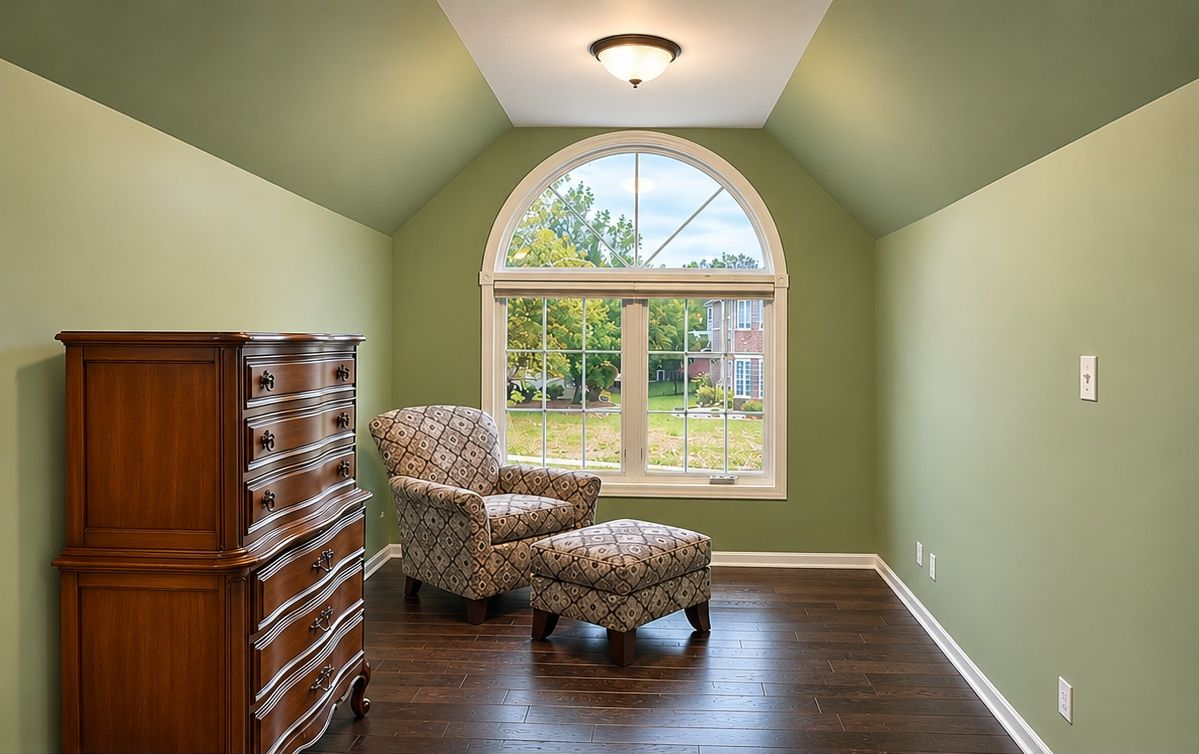
Ceiling height adds another variable. A room with 12-foot ceilings has more wall area than the same room with eight-foot ceilings. Vaulted ceilings and stairwells can also require additional equipment and setup. That dramatic two-story foyer looks lovely, but it does complicate the ladder situation.
Does an Occupied Home Cost More to Paint?
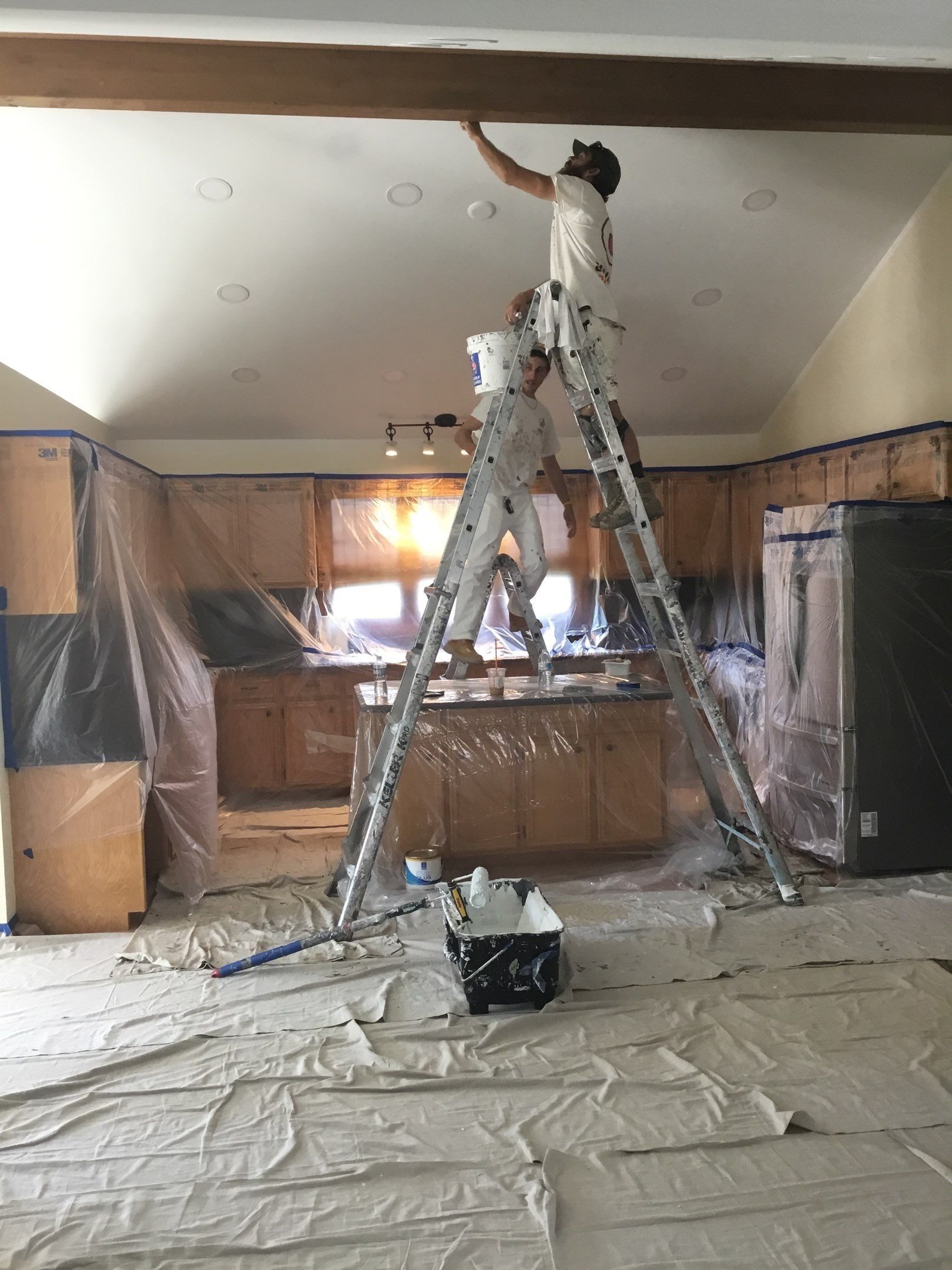
An occupied room can take more time to prepare than an empty one. Furniture needs to be moved or protected, floors covered, and access maintained. Working around bedrooms, home offices, and everyday routines can also affect how the project is organized. Before comparing estimates, make sure each contractor understands whether the home will be occupied. Ask what you should move yourself, what the crew will handle, and whether rooms need to be cleared before work begins.
How Should You Read a Time-Based Painting Price?
For a concrete pricing example, consider $960 for eight labor hours or $1,920 for 16 total labor hours. These figures describe an amount of labor, not a guaranteed number of finished rooms. Sixteen labor hours could mean two painters working eight hours each. How much gets completed depends on preparation, access, surfaces, and drying requirements. Confirm whether materials are included, what work can realistically fit within the allotted time, and what happens if more time is needed. For a larger repaint, a project-specific estimate is more useful than multiplying a day rate by your room count.
How Can You Compare Painting Estimates Fairly?
Give each painter the same list of rooms and surfaces, then compare preparation, repairs, products, coats, protection, and cleanup. If one proposal includes ceilings and doors while another covers walls alone, the totals are answering different questions. If you need to adjust the budget, ask about pricing the walls first and listing ceilings or woodwork as separate options. That helps you make informed choices about scope without guessing what a lower price leaves out.
The Takeaway
Before comparing prices, make sure you’re comparing the same work. Walls only, a full-room refresh, and a room that needs substantial repairs come with different budgets. A clear estimate should spell out the surfaces, preparation, paint, and labor included. Remember, fewer assumptions now mean fewer surprises later.
Jondec Painting
We believe you should understand your painting estimate as clearly as you understand the changes you want to make. Whether you’re refreshing one bedroom or planning a larger interior update, we’re happy to answer questions and provide a
detailed estimate. You bring the ideas. We’ll help sort out the surfaces, preparation, and price.
Frequently Asked Questions
Q: How much does it cost to paint a bedroom in Chicagoland?
A: For a standard bedroom with eight-foot ceilings and surfaces in good condition, budget roughly $600–$1,000 for walls only or $1,200–$2000 for walls, ceilings, baseboards, doors, and frames. These are planning ranges; your specific scope determines the price.
Q: Do painting estimates include paint and supplies?
A: Some do, while others cover labor only. Ask whether paint, primer, preparation materials, surface protection, and cleanup are included. The written estimate should make this clear.
Q: Are wall repairs included in the price?
A: Minor preparation may be included, but larger cracks, damaged drywall, and extensive patching can cost extra. Ask which repairs the estimate covers and how additional work will be approved and priced.
Q: Can I save money by painting only the walls?
A: Yes. If the ceiling, trim, and doors still look good, a walls-only repaint can refresh the room for less. Ask for those other surfaces to be priced separately so you can decide what fits your budget.